
Spectral Lighting Technology for Greenhouse Crop Growth
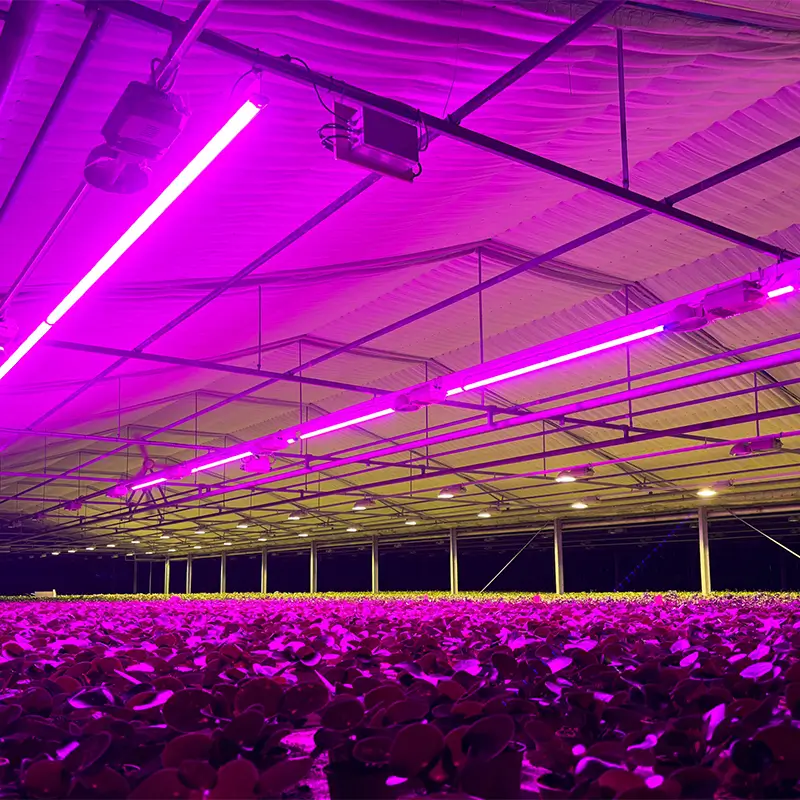
Spectral Lighting Technology in Greenhouses to Enhance Crop Growth and Quality
In recent years, spectral lighting has gained significant attention as an innovative technology in greenhouse agriculture. By utilizing LED light sources with various spectral compositions, this method creates optimal lighting conditions for plant growth, playing a pivotal role in boosting yield, improving crop quality, and enhancing economic efficiency within the food production system.
As research in plant biology and lighting engineering has progressed, it has become increasingly evident that a precise combination of red, blue, green, and even infrared light can effectively meet the photosynthetic needs of plants and support their growth and development. This article aims to provide a comprehensive overview of the impact of spectral lighting on greenhouse crops, through reviewing prior studies, case study results, expert opinions, and emerging technologies.
Given the critical importance of sustainability in food production and the growing need for efficiency in modern agricultural systems, a scientific and specialized evaluation of this technology can not only offer new perspectives in building intelligent greenhouse ecosystems but also contribute to improving the overall quality of crops.
Background of Spectral Lighting Research in Greenhouse Agriculture
Spectral lighting, often implemented using LED technology, is a modern approach to providing optimal lighting conditions for plants in controlled environments such as greenhouses. The foundation of this technology lies in studying the direct effects of different light spectra on photosynthesis, cell growth, and plant metabolism. Early research revealed that selecting appropriate light wavelengths can significantly improve key growth indicators, including chlorophyll content, antioxidant activity, and the production of growth hormones.
Since the early 2000s, numerous studies worldwide have explored the effects of varying red-to-blue light ratios, as well as the addition of green or infrared light, in enhancing the growth of greenhouse crops. For example, research published in *Scientific Reports* demonstrated that a red-to-blue light ratio of approximately 4:1 increased the yield of crops such as strawberries by up to 30%.
Over time, more advanced research and case studies in industrial greenhouses have assessed the economic aspects of this technology, including energy consumption and improvements in both the visual and nutritional quality of crops. These efforts have contributed to expanding the knowledge base of spectral lighting and increasing its adoption across the agricultural industry.
The Impact of Spectral Lighting on Plant Growth
– Examining Biological and Photosynthetic Processes
One of the most significant features of spectral lighting is its direct influence on the photosynthetic processes of plants. Light serves as the primary source of energy for photosynthesis, and selecting the right wavelength can enhance the efficiency of light absorption by chlorophyll and other plant pigments. Studies have shown that blue light plays a crucial role in regulating plant growth and forming proper cellular structures, while red light is known to stimulate flowering and fruit development.
According to a study published in *Scientific Reports*, using a red-blue light combination in greenhouse settings led to an increase in photosynthetic activity in crops such as strawberries, resulting in improved yield. Additionally, blue light not only limits vertical elongation but also promotes leaf density and thickness, which in turn enhances light absorption and improves the distribution of nutrients throughout the plant.
These effects are also evident in changes to secondary metabolites—changes that strengthen plant resistance against environmental stressors and improve the quality of the resulting crops. Moreover, spectral light combinations can be tailored to meet the specific needs of different plant species, leading to optimized productivity and higher-quality yields.
– Professor Kathy Steppe, Ghent University, Belgium: “Our research shows that a precise balance of red and blue light significantly improves greenhouse crop performance.”
Other studies have examined the role of light in regulating circadian rhythms in plants, showing that an optimized light cycle can stimulate growth hormone production, reduce oxidative stress, and enhance mineral uptake. These findings form the basis for implementing intelligent lighting systems in modern greenhouse environments.
The Impact of Spectral Lighting on Crop Quality and Economic Efficiency
Beyond promoting plant growth, spectral lighting plays a crucial role in enhancing crop quality. Research on greenhouse crops such as tomatoes, lettuce, and others has shown that using LEDs with specific light spectra can improve quality factors like soluble solids content, chlorophyll levels, vitamin compounds, and even taste and aroma.
For instance, a study published in *Frontiers in Plant Science* reported that using LED lighting in tomato production led to a 40% increase in yield, a 6% improvement in soluble solid content, and a 31% boost in leaf chlorophyll levels. These changes are not only scientifically significant but also economically impactful, increasing the final market value and profitability of greenhouse operations.
Moreover, reduced energy consumption through LED technology and energy-efficient systems has enhanced the return on investment in this field. Economic assessments suggest that the initial investment in spectral lighting equipment can lead to substantial profitability and lower operational costs within a few years.
– Dr. Roberto Lopez, Michigan State University: “The quality of spectral lighting significantly enhances photosynthesis and improves plant resilience under challenging environmental conditions, positively impacting greenhouse profitability.”
In addition, the improved crop quality achieved through spectral lighting opens doors to new branding opportunities and access to export markets. Data from agricultural ministries in various countries indicate that implementing optimized lighting systems has significantly increased the added value of crops—an economically compelling reason for investors to enter this growing sector.
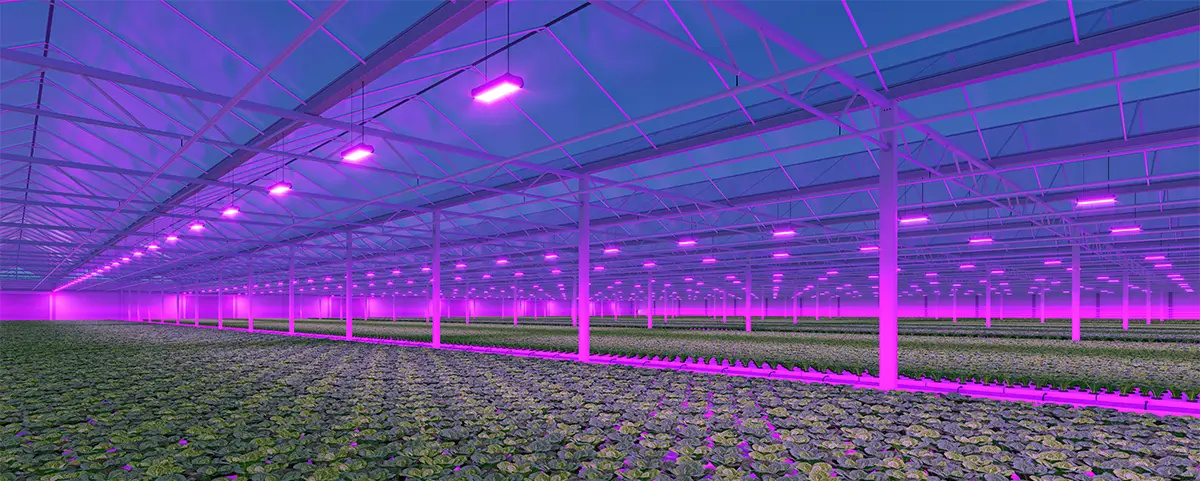
Case Studies and Statistical Findings on Spectral Lighting
– Practical Examples and Field Research Results
One of the key pillars in validating any technology is conducting field studies and evaluating real-world outcomes. In recent years, several case studies have been carried out in various greenhouses to closely examine the effects of spectral lighting on crop performance.
In a comprehensive study conducted in a state-of-the-art tomato greenhouse, findings revealed that using LEDs with specific light spectra resulted in a 40% increase in yield, along with improvements in quality attributes such as ascorbic acid content, chlorophyll levels, and soluble solids. This study was carried out by a research team from a reputable international agricultural institute, using audited data and verified statistical reports.
Another study conducted in a lettuce greenhouse showed that using a lighting system with a B435/R663 spectrum and an approximate ratio of 1.25 ± 0.1 led to enhanced antioxidant activity and improved leaf cell structure. These results, thoroughly analyzed by researchers at Gyeongsang National University, confirmed the positive impact of this technology on plant health.
Additionally, some studies have shown that long-term changes in lighting conditions can help regulate plant growth cycles, increase resistance to environmental stress, and improve water use efficiency. These findings highlight the role of spectral lighting not only in boosting productivity but also in promoting the sustainability of greenhouse systems.
– Eng. Alireza Golbod, Senior Researcher at the Agricultural Research Institute: “Field studies show that implementing spectral lighting significantly improves growth conditions and increases greenhouse crop yields compared to traditional lighting systems.”
These statistical data and case study results provide a strong foundation for the continued development and refinement of spectral lighting systems in controlled environments, showcasing the high potential of this technology to revolutionize and modernize greenhouse agriculture.
Scientific Perspectives on Improving Spectral Lighting
Advancing new technologies requires insights and expertise from leading specialists and researchers in the field. International experts believe that selecting the right combination of spectral lights is one of the key factors in enhancing the efficiency of greenhouse systems.
Research conducted at top universities around the world has demonstrated that balancing red and blue light can stimulate metabolic processes and improve plant cell structure. This point has been repeatedly emphasized in academic lectures and international conferences.
Despite the challenges in optimizing lighting systems, experts agree that leveraging up-to-date data and smart technologies in designing these systems can take plant growth conditions to the next level. This perspective is supported by prominent researchers such as Professor Kathy Steppe and Dr. Roberto Lopez.
– Professor Kathy Steppe, Ghent University, Belgium: “With precise data and statistical analysis, the right red-blue light combination can significantly enhance the performance and quality of greenhouse crops.”
In addition, other experts such as Dr. Sara Nasser, a senior plant science researcher, have pointed out that spectral lighting systems can help reduce water and chemical fertilizer usage in greenhouses by creating optimal lighting conditions—paving the way for more sustainable agriculture.
The insights and experiences of scientists in this field provide a strategic foundation for developing next-generation technologies in agriculture. They demonstrate that collaboration between universities, research institutions, and industry can generate greater value and lead to the creation of intelligent greenhouse ecosystems.
Emerging Technologies and Implementation Tools in Spectral Lighting
– Innovations in LED Equipment and Smart Systems
Rapid advancements in LED technology have paved the way for the development of spectral lighting systems with a wide range of features. Today’s LED equipment comes with customizable spectral settings, enabling dynamic adjustment of color composition and light intensity to better meet the diverse needs of plant species.
Smart lighting systems, driven by environmental sensors and advanced control algorithms, can automatically regulate optimal lighting conditions, thereby enhancing photosynthetic efficiency and promoting plant growth. These technologies not only boost greenhouse productivity but also offer significant energy savings, making them highly cost-effective.
In this regard, both international and local companies are actively engaged in producing advanced LED lighting and intelligent control systems. Technologies such as Heliospectra and other reputable brands have played a key role in transforming greenhouse agriculture by offering cutting-edge solutions. Leveraging real-time data, artificial intelligence, and communication systems allows greenhouse managers to monitor and optimize lighting performance efficiently.
– Eng. Mohammadreza Sadeghi, Lighting Systems Specialist at Advanced Tech Firms: “Integrating smart technologies with advanced LED systems has led to a remarkable transformation in energy management and greenhouse crop productivity.”
Given the ongoing research and development in this field, it is expected that future advancements in spectral lighting will introduce features such as remote control, improved wavelength precision, and reduced operational costs—further enhancing greenhouse performance.
Challenges, Limitations, and Opportunities in Spectral Lighting
Despite the remarkable success of spectral lighting technology, there are still challenges and limitations in its widespread implementation. High upfront costs for advanced equipment, the need for continuous software and control system updates, and the requirement for specialized training are all critical considerations.
In many cases, greenhouse investors and managers must carefully conduct cost-benefit analyses to evaluate return on investment through improved productivity, lower energy expenses, and better product quality. Economic assessments suggest that while spectral lighting can significantly reduce production costs and boost profitability in the long term, achieving these results requires precise planning and proper implementation of modern technologies.
In addition to economic concerns, technical and environmental challenges must also be addressed. Ensuring compatibility of lighting systems with fluctuations in temperature, humidity, and natural light is essential for designing stable and resilient solutions. On the other hand, collaboration between universities, research institutions, and technology companies presents a valuable opportunity to foster innovation in this field.
– Dr. Navid Rahmani, Researcher in Sustainable Agricultural Technologies: “While technical and economic challenges exist in adopting spectral lighting, collaboration between industry and academia can lead to effective solutions that overcome these obstacles.”
Given the urgent need to feed a growing global population and boost agricultural efficiency, investing in advanced spectral lighting technologies is both economically and strategically essential. This innovation not only opens new doors in domestic and export markets but also contributes significantly to transforming production methods and improving the management of water and energy resources.
Conclusion and Future Outlook of Spectral Lighting in Greenhouses
Based on the discussions presented earlier, it is clear that spectral lighting has emerged as a transformative and forward-looking technology in greenhouse agriculture. By optimizing light conditions, enhancing plant growth, and improving product quality, it has had a significant positive impact on economic productivity. Field studies and academic research have shown that using optimized combinations of red and blue light—and even adding other wavelengths—can substantially increase crop yields and enhance quality metrics.
Looking ahead, continued advancements in technology and the development of smart systems are expected to allow spectral lighting solutions to be more precisely and efficiently tailored to the specific needs of each crop. This not only reduces energy consumption and operational costs but also paves the way for the creation of intelligent greenhouse ecosystems and the production of high-value crops.
Equally important is the role of specialists and researchers in advancing and refining spectral lighting technologies. Collaboration among universities, research institutions, and the private sector is essential for generating innovative solutions and overcoming implementation barriers. These partnerships facilitate knowledge transfer and lay the foundation for disruptive innovation in lighting systems.
In conclusion, despite existing challenges, the economic and scientific advantages of spectral lighting outweigh its limitations. Investing in this modern technology not only directly boosts greenhouse productivity but also plays a vital role in promoting sustainable agriculture and enhancing food security at the national level. Therefore, it is crucial to adopt supportive policies and fund both applied and academic research projects in this field.
– Professor Ahmad Rezaei, Plant Science Expert and Agricultural Technology Consultant: “Given the positive results of case studies and international experiences, spectral lighting can be considered a catalyst for meaningful improvements in greenhouse productivity and efficiency.”
The future of spectral lighting in greenhouse environments looks bright. With ongoing technological progress, the rise of smart systems, and growing awareness among greenhouse managers and investors, we can expect to see fundamental changes in greenhouse management practices and a significant increase in crop productivity in the years to come.
Overall, the integration of science and technology in the field of spectral lighting offers an effective pathway to sustainable agriculture, improved food quality, and better economic indicators across the food supply chain. This progress benefits both producers and consumers and plays a key role in achieving national and global goals for sustainable development and food security.
As research and technological innovation continue to advance, spectral lighting is expected to become more widely used in modern greenhouse systems—providing new solutions for managing natural resources and energy. Moreover, adapting technical knowledge to the climatic and economic conditions of each region opens up fresh opportunities for improving and expanding agricultural technologies.
Ultimately, realizing the full potential of spectral lighting requires a comprehensive and multi-stakeholder approach. Optimal use of this technology depends on ongoing collaboration among universities, research institutions, equipment manufacturers, and government bodies. This coordinated effort will serve as a catalyst for boosting productivity and quality in greenhouse crops—driving sustainable economic growth and creating lasting value in the national food system.