












Autonomous Sea Cage Feeding Economics
Autonomous feeding using underwater cameras, fish behavior models, and USVs can refine when, how much, and where feed is delivered, cut waste, and link sea cage expansion with fish welfare and seabed monitoring.

Postharvest Robotics for Quality Tracking
Autonomous transport robots, AGVs, and machine vision connect boxes, temperature, and quality events to the cold chain, reducing product damage and enabling precise postharvest tracking for orchards and cold storage.

Low Input Deep Vision Spot Spraying in Iran
Field robots with deep vision target weeds and disease spots through real-time detection and localized dose delivery, shifting pesticide use from uniform spraying to precise microdosing. This lowers input costs and environmental risk on farms.

Laser Weeding Robots for Low-Input Farming
Laser and electric weeding robots identify weeds precisely and reduce herbicide use, but their economic value depends on energy, operating speed, field safety, ownership cost, technical service, and crop value.
Deforestation Compliance and Farm Export Risk
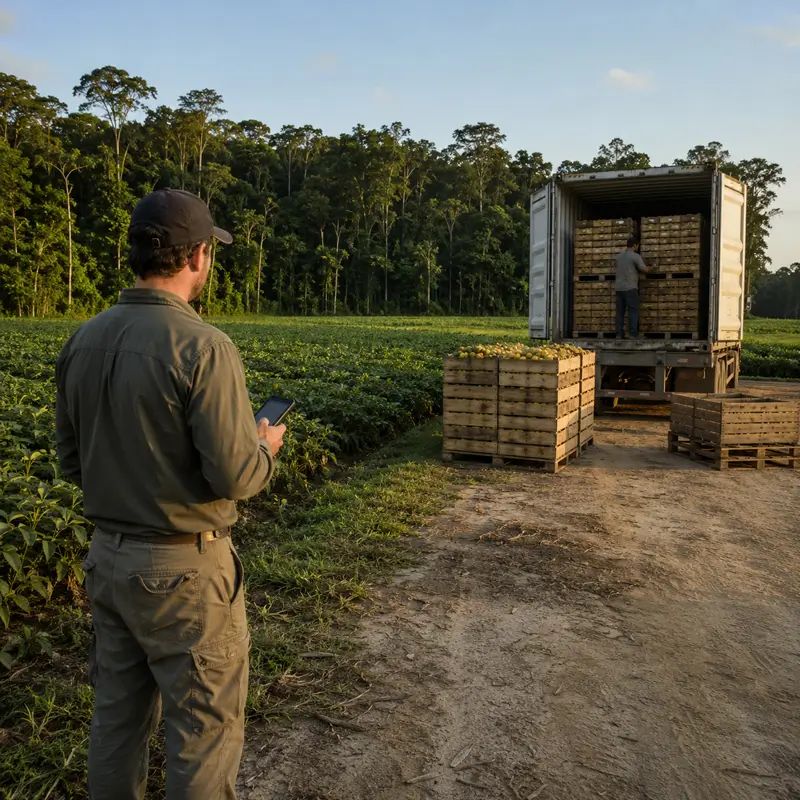
Anti-deforestation rules turn land origin and supply chain data into market access conditions and create new risks for farm exports in geolocation legal records buyer credibility and trade finance.

AMR Monitoring in Livestock Poultry Aquaculture
AMR monitoring in livestock poultry and aquaculture matters when drug use sampling lab testing and One Health data are linked to decisions on food safety food security and chain governance.

Farm Data Governance for Secure Data Sharing
Farm data supports economic value and food security when access consent portability and security are clear and producers know its use in banking insurance and supply chains.
AI Risk Classification in Food Chain Governance
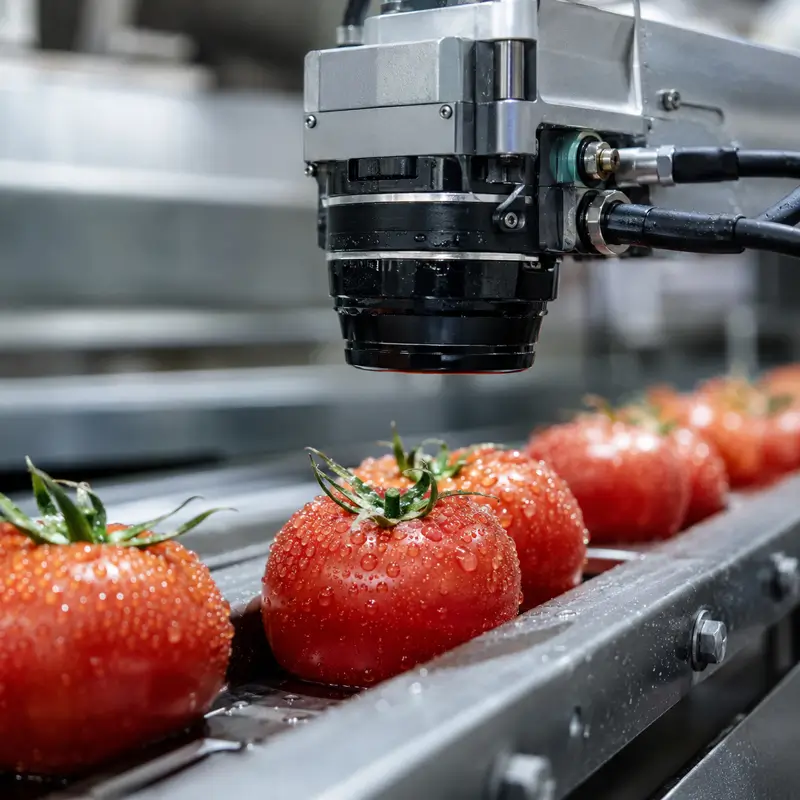
As AI enters food-chain quality control, safety, credibility and inspection, a risk-based framework is needed to separate sensitive uses from low-impact tools and build data-driven accountability.

Seaweed Economy in Persian Gulf–Gulf of Oman
The seaweed economy in southern Iran has potential from aquafeed to biomaterials, but its path depends on resilient species selection, drying standards, processing, environmental monitoring, industrial contracts, and sustainable investment.

Bioinput Markets and Iran’s Saline Soil Prospects
Bioinputs in the Middle East and North Africa create economic value when soil salinity, water scarcity, transparent registration, quality control, field trials, and scientific localization are linked into a trusted decision chain.
Autonomous Sea Cage Feeding Economics
Autonomous feeding using underwater cameras, fish behavior models, and USVs can refine when, how much, and where feed is delivered, cut waste, and link sea cage expansion with fish welfare and seabed monitoring.
Postharvest Robotics for Quality Tracking
Autonomous transport robots, AGVs, and machine vision connect boxes, temperature, and quality events to the cold chain, reducing product damage and enabling precise postharvest tracking for orchards and cold storage.
Low Input Deep Vision Spot Spraying in Iran
Field robots with deep vision target weeds and disease spots through real-time detection and localized dose delivery, shifting pesticide use from uniform spraying to precise microdosing. This lowers input costs and environmental risk on farms.
Laser Weeding Robots for Low-Input Farming
Laser and electric weeding robots identify weeds precisely and reduce herbicide use, but their economic value depends on energy, operating speed, field safety, ownership cost, technical service, and crop value.
Deforestation Compliance and Farm Export Risk
Anti-deforestation rules turn land origin and supply chain data into market access conditions and create new risks for farm exports in geolocation legal records buyer credibility and trade finance.
AMR Monitoring in Livestock Poultry Aquaculture
AMR monitoring in livestock poultry and aquaculture matters when drug use sampling lab testing and One Health data are linked to decisions on food safety food security and chain governance.
Farm Data Governance for Secure Data Sharing
Farm data supports economic value and food security when access consent portability and security are clear and producers know its use in banking insurance and supply chains.
AI Risk Classification in Food Chain Governance
As AI enters food-chain quality control, safety, credibility and inspection, a risk-based framework is needed to separate sensitive uses from low-impact tools and build data-driven accountability.
Seaweed Economy in Persian Gulf–Gulf of Oman
The seaweed economy in southern Iran has potential from aquafeed to biomaterials, but its path depends on resilient species selection, drying standards, processing, environmental monitoring, industrial contracts, and sustainable investment.
Bioinput Markets and Iran’s Saline Soil Prospects
Bioinputs in the Middle East and North Africa create economic value when soil salinity, water scarcity, transparent registration, quality control, field trials, and scientific localization are linked into a trusted decision chain.