
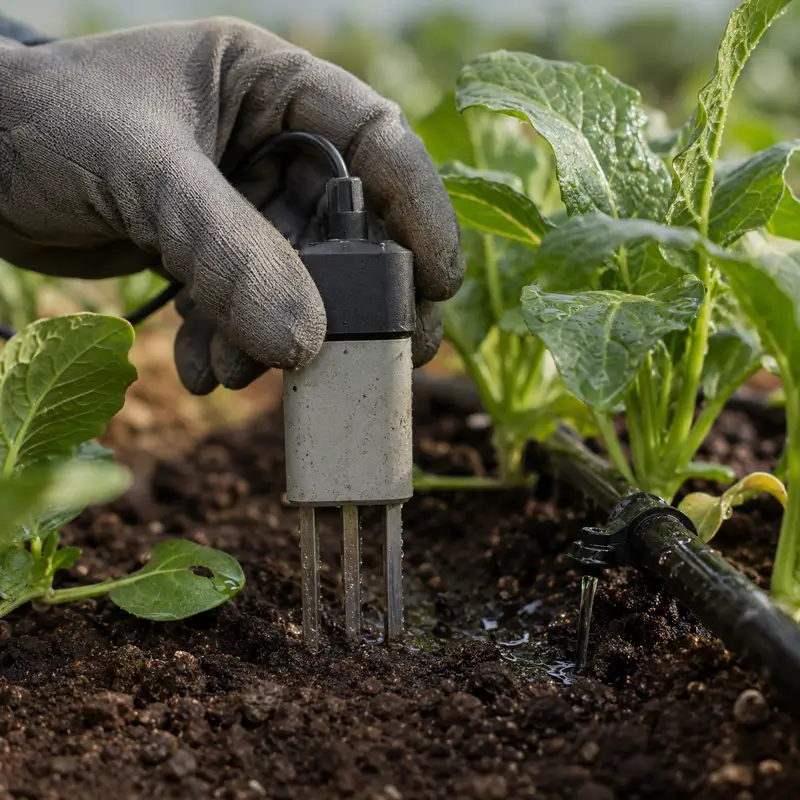
Geospatial Foundation Models for Farm Yield
Geospatial foundation models combine satellite imagery, embeddings, and field data to improve crop monitoring and water management, but farm yield forecasting still requires local validation and auditable data.

SAR for Smart Agricultural Insurance Assessment
SAR enables faster, more transparent smart agricultural insurance assessment by monitoring crop lodging, storm damage, and flooding, provided satellite data is linked to farm boundaries and audited against algorithms and ground data.
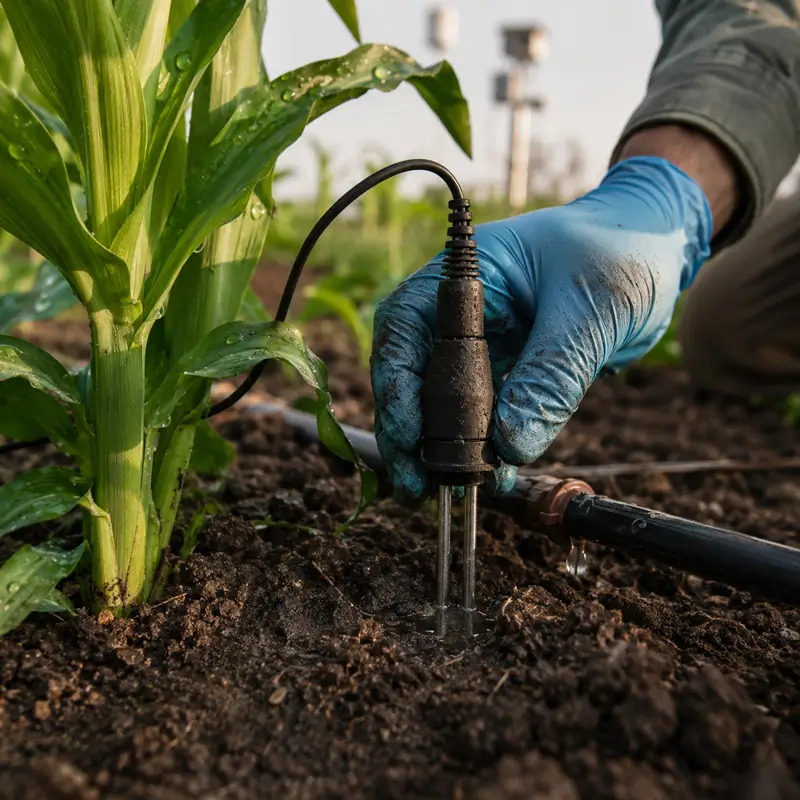
RAG Agricultural GenAI Agent for Climate Risk
A RAG agricultural GenAI agent is valuable when it delivers planting, crop nutrition, and climate-risk advice based on local data, trusted sources, human oversight, data governance, water limits, market standards, and multidimensional evaluation.
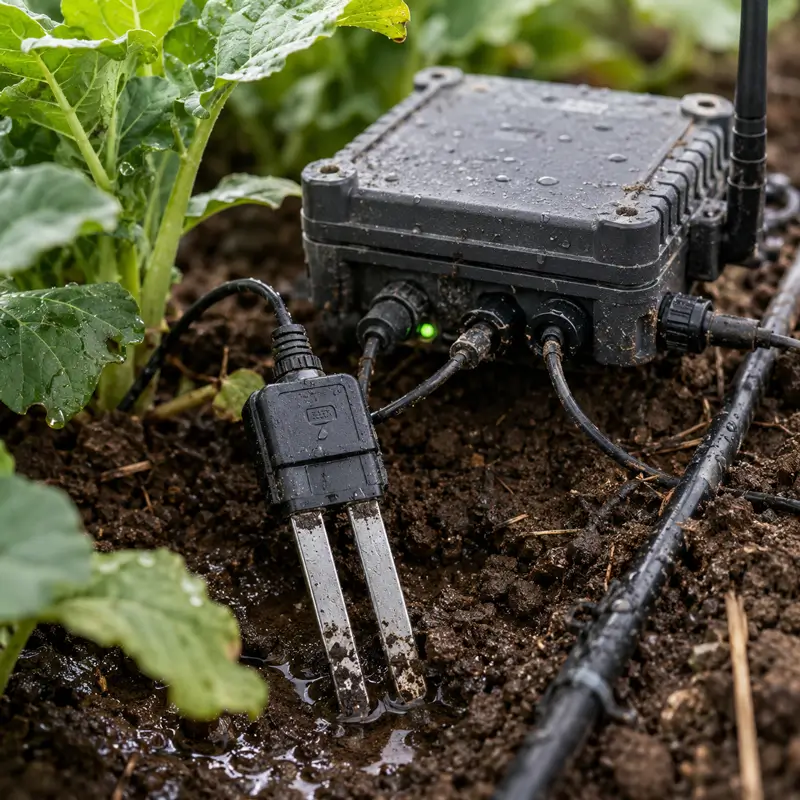
Federated Learning for Farm Sensor Data Security
Federated learning keeps raw data on the farm while training AI models across sensors and edge gateways, making it directly relevant to data security, water management, communication costs, and farmer trust.

Early HAB Warning for Marine Cage Farms
An HAB warning system combining satellites, smart buoys, and eDNA can turn harmful algal bloom risk in marine cage farms into decision metrics, operational monitoring, loss reduction, harvest management, and investor confidence.

Marine Hatchery Selective Genomics: Fry Growth
By linking SNP data to growth, survival, and disease-resistance phenotypes, selective genomics turns marine hatcheries from breeding units into hubs for fry quality control, disease-risk reduction, and sustainable blue food security.
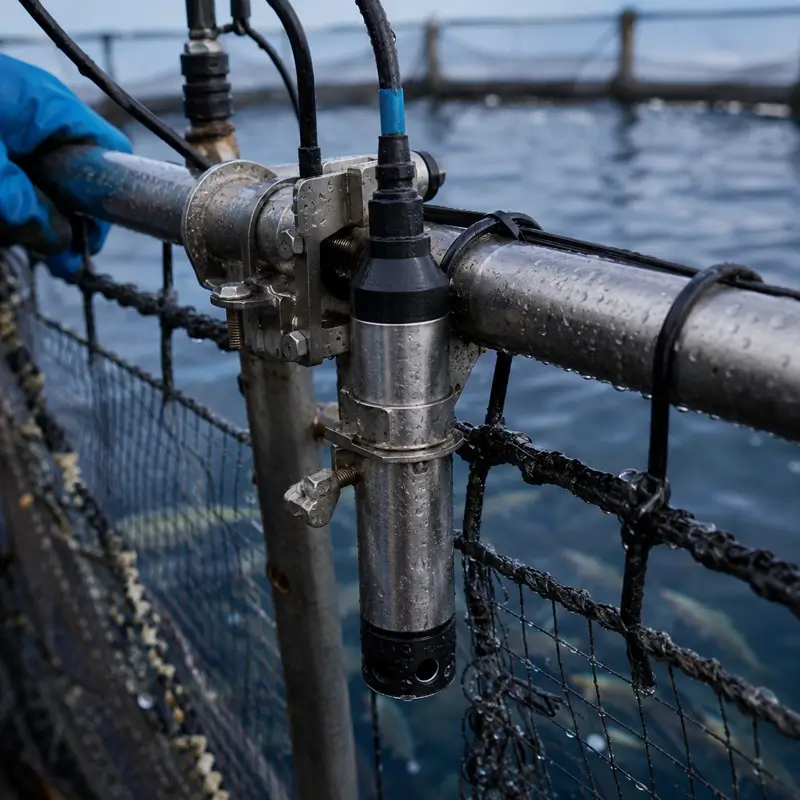
Marine Cage Climate Insurance; Blue Economy
Marine cage climate insurance connects ocean data, local sensors, and technical standards, translating risks from marine heatwaves, storms, and oxygen drops into the language of investment, food security, and Iran’s blue economy.

IMTA for a Sustainable Blue Economy
Integrated multi-trophic aquaculture links fish cages with shellfish and seaweed, turning part of the waste into harvestable biomass and creating a pilot path for Iran’s coasts with monitoring, lower risk, and added income.

Metabolomic Light Recipes for Herbs and Greens
In controlled environment agriculture, light can do more than drive growth. It can target nutritional and medicinal compounds in greens and aromatic herbs if each recipe is evaluated against metabolomic data, energy use, lab testing, and market demand.
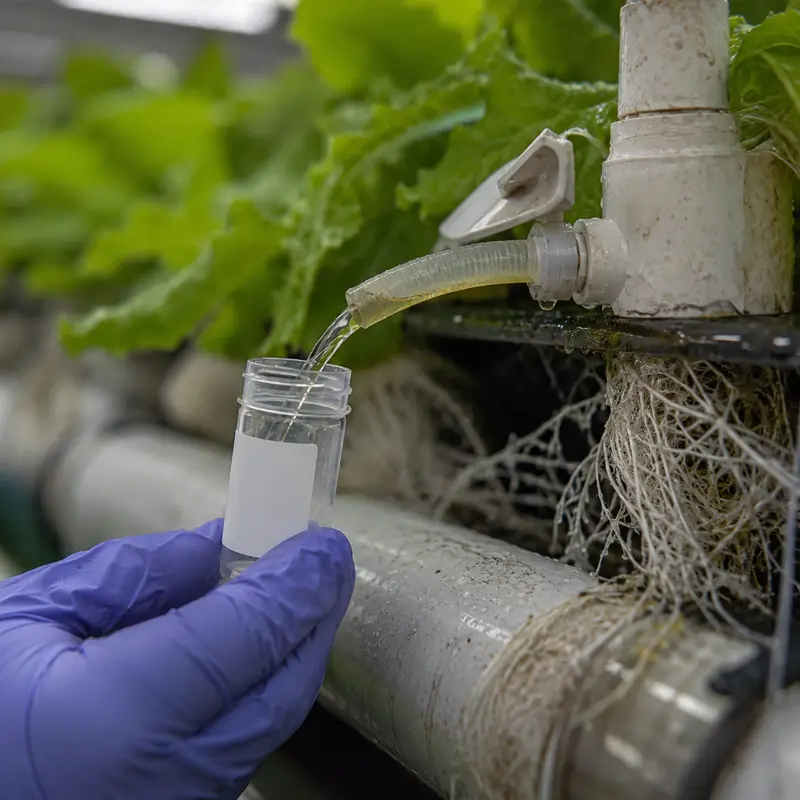
Greenhouse eDNA for Early Pathogen Detection
eDNA monitoring in greenhouses and hydroponics detects pathogen presence before disease symptoms appear. With qPCR validation and water and air sampling, it makes disinfection, quarantine, and IPM decisions more precise and lower risk.

Root Microbiome for Stable Hydroponic Nutrients
Hydroponic nutrient solution is a living, dynamic medium. Biofilters, SynComs, and microbial monitoring can improve pathogen control, nutrition stability, crop safety, and investment decisions in recirculating greenhouses.

Crop Steering in Smart Greenhouses via Plant RL
Crop Steering connects plant-centered data, climate control, and reinforcement learning to turn vegetative and generative growth into economic decisions, stable quality, net profit, and resource efficiency while reducing risk.

Gas-Fed Single-Cell Protein for Low-Carbon Feed
Gas-derived single-cell protein converts methane, CO2, and hydrogen into microbial biomass, easing pressure on land, soy, and fishmeal in livestock, poultry, and aquaculture feed while demanding rigorous feed trials.

Native Crop Pangenomes for Resilient Varieties
Graph genomes and pangenomes reveal hidden diversity, non-reference genes, structural variants, and haplotype paths, making climate-resilient variety design from gene banks to data-driven plant breeding more precise and practical.

Gene Editing of Wild Plants for Food Security
Modern plant domestication with multiplex gene editing reveals wild relatives’ capacity to produce climate-resilient varieties and explains Iran’s path from native germplasm to stress testing, biosafety, and the seed market.

GenAI Feed Enzyme Design: Bioprocessing
Generative AI feed enzyme design connects protein structure modeling, sequence design, microbial fermentation, safety testing, and bioreactor production for feed chains, food security, and the blue economy.
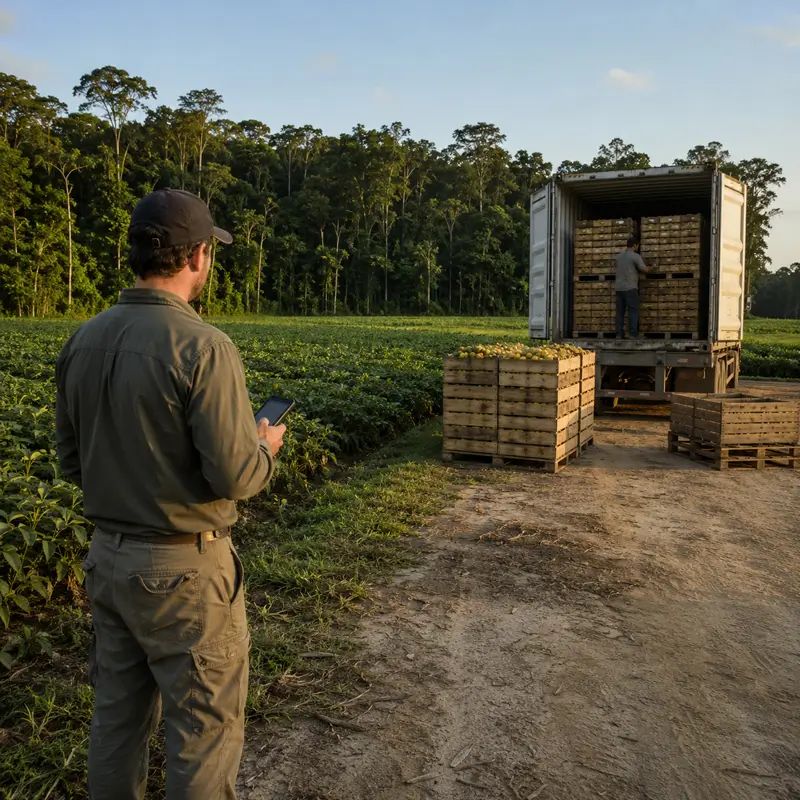
Deforestation Compliance and Farm Export Risk
Anti-deforestation rules turn land origin and supply chain data into market access conditions and create new risks for farm exports in geolocation legal records buyer credibility and trade finance.

AMR Monitoring in Livestock Poultry Aquaculture
AMR monitoring in livestock poultry and aquaculture matters when drug use sampling lab testing and One Health data are linked to decisions on food safety food security and chain governance.

Farm Data Governance for Secure Data Sharing
Farm data supports economic value and food security when access consent portability and security are clear and producers know its use in banking insurance and supply chains.
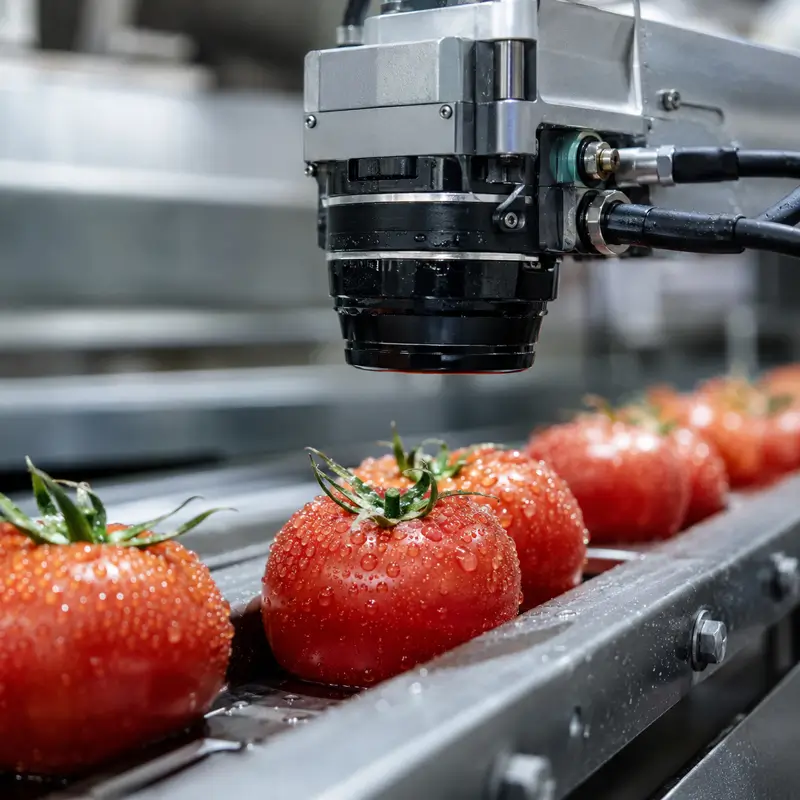
AI Risk Classification in Food Chain Governance
As AI enters food-chain quality control, safety, credibility and inspection, a risk-based framework is needed to separate sensitive uses from low-impact tools and build data-driven accountability.

Recycled Fertilizer: Partial P Replacement, Iran
Recycled fertilizers from ash, digestate, and biowaste matter for Iranian agriculture when P₂O₅, cadmium, pathogens, feedstock origin, and impurities are controlled, letting them reliably take part of mineral phosphate’s role.

Zeolite Biocarrier to Cut Farm Soil N Leaching
Zeolite and modified nanoclays become reliable biocarriers when microbial persistence, lower nitrogen leaching, pollution control, and field performance are measured together and matched to the target soil and irrigation and fertilization regime.
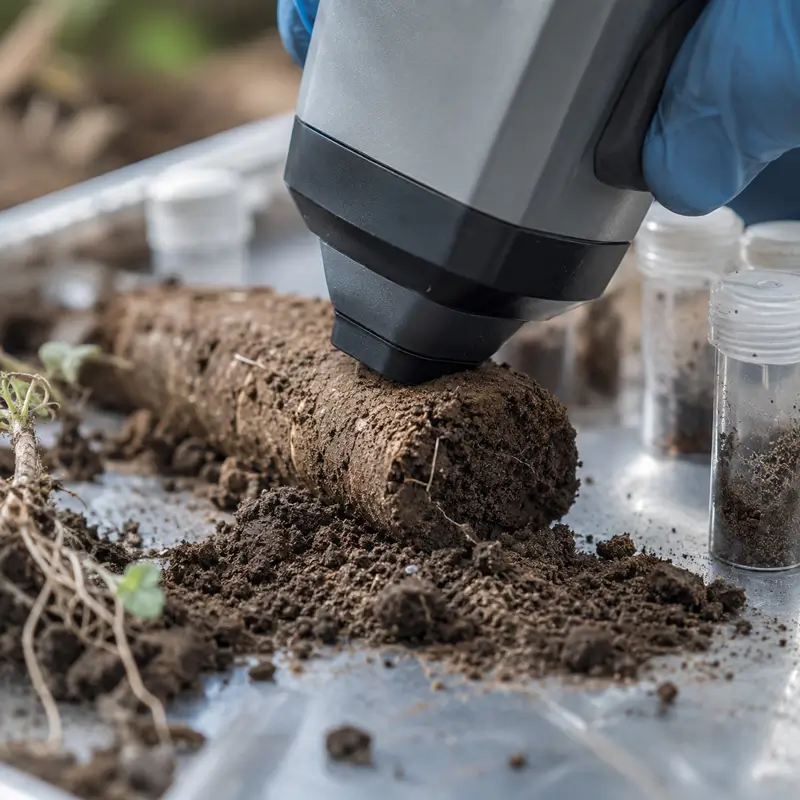
Soil Health Index: NIR, Metabarcoding, SOC MRV
The soil health index becomes practical when NIR spectroscopy, metabarcoding, SOC, pH, and EC are integrated in one model, sharpening bio-input prescriptions, salinity monitoring, data quality control, and organic carbon MRV.
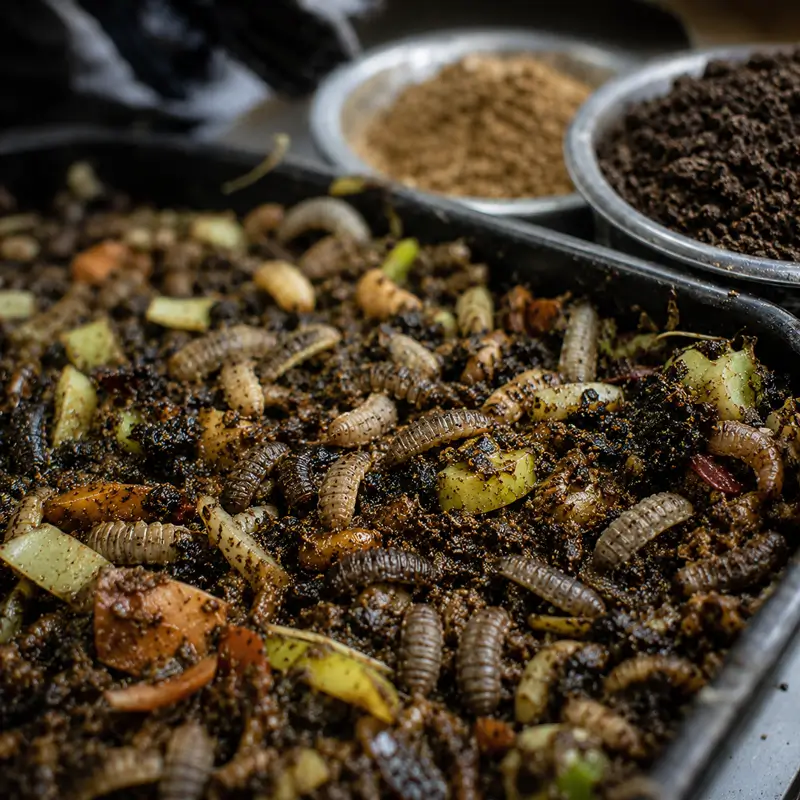
BSF Larvae for Protein Feed, Organic Fertilizer
By turning produce and fishery waste into larval meal, oil, and frass, black soldier fly larvae offer a measurable path to cut waste, produce alternative feed, manage safety risks, and strengthen soil in a circular farm economy.
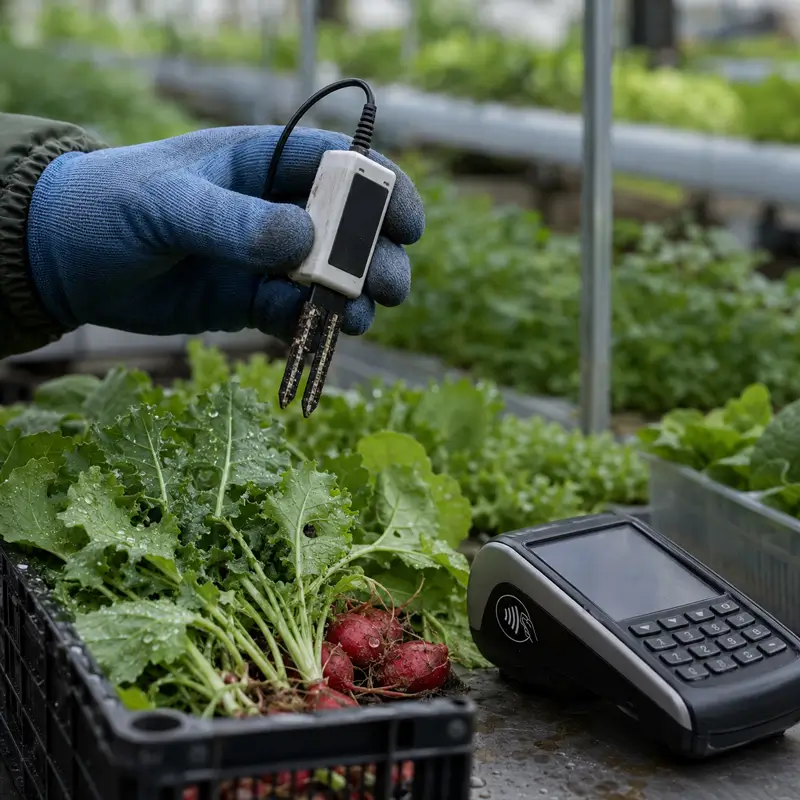
Revenue Based Financing for Sustainable AgTech
Revenue-based financing can bridge traditional loans and equity for AgTech when revenue is trackable, margins are healthy, transaction data is reliable, risks are disclosed, and platform repayment terms are clear.

Climate Stress Testing of Farm Portfolio Risk
Drought, disease, and energy shocks can reshape asset values, cash flow, and capital costs. Climate stress testing clarifies portfolio risk, financial resilience, and decisions to expand or exit under plausible scenarios before capital is committed.
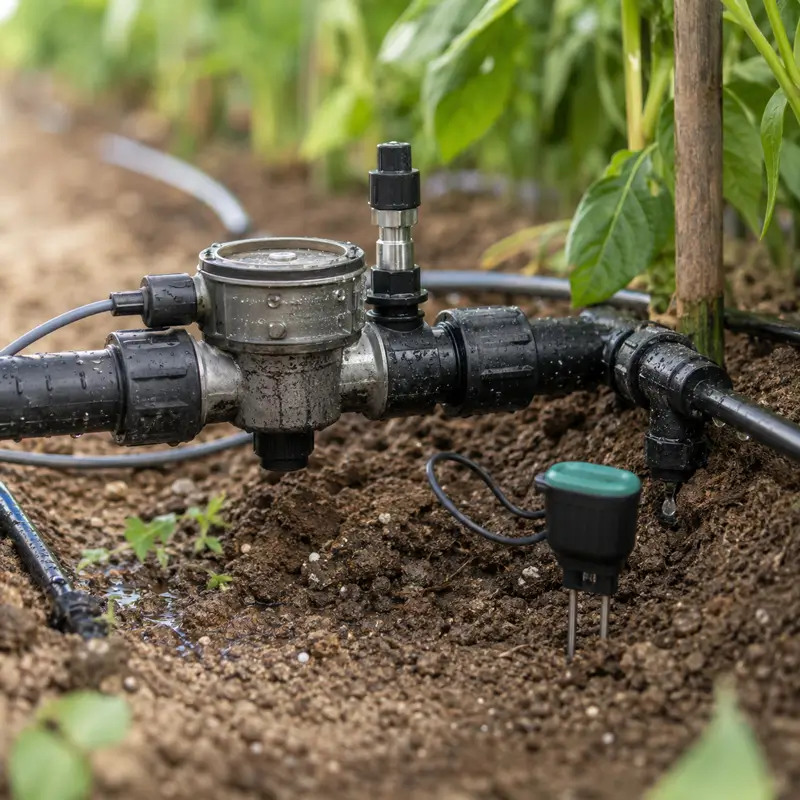
Outcome Based Financing for Water Saving Tech
Paying for verified water savings shifts irrigation and water management investment from equipment purchases to measurable outcomes, defensible baselines, maintained farm output, and independent financial verification.

Blended Finance in Sustainable Mariculture
By aligning government, banks, and private investors, blended finance can turn marine aquaculture from a high-risk project into an investable, standards-based, and sustainable pathway for the blue economy and food security.

Seaweed Economy in Persian Gulf–Gulf of Oman
The seaweed economy in southern Iran has potential from aquafeed to biomaterials, but its path depends on resilient species selection, drying standards, processing, environmental monitoring, industrial contracts, and sustainable investment.

Bioinput Markets and Iran’s Saline Soil Prospects
Bioinputs in the Middle East and North Africa create economic value when soil salinity, water scarcity, transparent registration, quality control, field trials, and scientific localization are linked into a trusted decision chain.

Mediterranean Aquaculture Lessons for Iran
Experience from Greece, Turkey, and Croatia shows that offshore cage farming creates value only with spatial planning, hatcheries, feed, environmental monitoring, traceability standards, cold logistics, processing, and a stable export market.

Smart Cold Storage Economics for Perishables
Smart cold storage becomes a key food export asset by logging temperature data, linking to refrigerated transport, and reducing spoilage risk, shifting investment from warehouses to quality, energy, market, and trust management.

Autonomous Sea Cage Feeding Economics
Autonomous feeding using underwater cameras, fish behavior models, and USVs can refine when, how much, and where feed is delivered, cut waste, and link sea cage expansion with fish welfare and seabed monitoring.

Postharvest Robotics for Quality Tracking
Autonomous transport robots, AGVs, and machine vision connect boxes, temperature, and quality events to the cold chain, reducing product damage and enabling precise postharvest tracking for orchards and cold storage.

Low Input Deep Vision Spot Spraying in Iran
Field robots with deep vision target weeds and disease spots through real-time detection and localized dose delivery, shifting pesticide use from uniform spraying to precise microdosing. This lowers input costs and environmental risk on farms.

Laser Weeding Robots for Low-Input Farming
Laser and electric weeding robots identify weeds precisely and reduce herbicide use, but their economic value depends on energy, operating speed, field safety, ownership cost, technical service, and crop value.

Digital Twin for Smart Low Water Farm Allocation
Digital water twins connect basin, farm, evapotranspiration, and soil moisture data to make irrigation and water allocation for low water agriculture more accurate, transparent, and auditable while clarifying investment priorities.

Offshore Cage Power and Operational Resilience
Offshore marine cages become scalable when cage power infrastructure, subsea cables, oxygen sensors, data links, backup power, and periodic inspections are designed within a resilient and auditable architecture.

Floating Solar for Farm Aquaculture Reservoirs
Floating solar panels can link power, evaporation management, and reduced land conflict for farm and aquaculture reservoirs, but economic value depends on design, water quality monitoring, revenue model, and risk control.

Waste Heat for Greenhouse and RAS Savings
Waste heat and shallow geothermal can cut greenhouse and RAS energy costs if the heat source, heat purchase contract, heat pump, energy monitoring, thermal storage, and biological risks are designed together and precisely.