
Agri-Entrepreneurship & Modern Tools
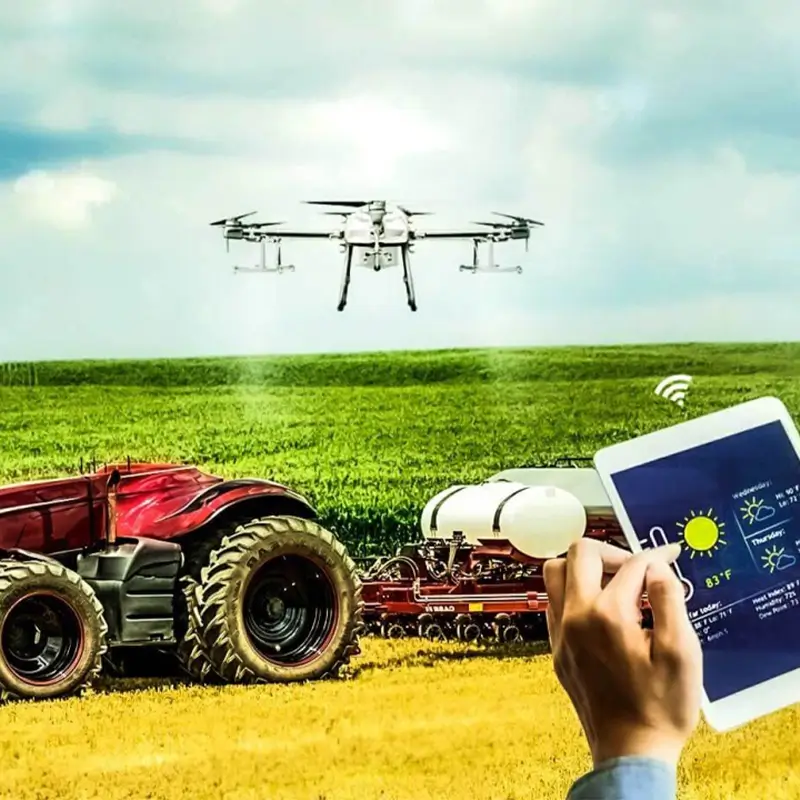
Entrepreneurship in the Agricultural Industry: Challenges and Tools
Agriculture has always been the cornerstone of human civilization, providing essential resources for livelihood and economic activities. However, the agricultural industry is not without its challenges, especially in the realm of entrepreneurship. Agricultural entrepreneurs, despite facing obstacles such as traditional methods and limited tools, strive for innovation and sustainable solutions in the sector. This article explores the challenges faced by agricultural entrepreneurs and the tools that can help overcome these barriers.
Definition of Agricultural Entrepreneurship
Entrepreneurship in the agricultural industry refers to the process of identifying, creating, and utilizing opportunities within the agricultural sector to drive innovation, improve efficiency, and promote sustainable growth. Agricultural entrepreneurship involves individuals or groups who take calculated risks to introduce new ideas, technologies, or business models that address challenges and capitalize on emerging trends in agriculture, food production, or agribusiness.
These entrepreneurs play a crucial role in transforming traditional agricultural practices by introducing modern techniques, sustainable farming methods, and value-added products to meet the evolving needs of consumers and markets. They often exhibit qualities such as creativity, adaptability, resilience, and strong business acumen to navigate the complexities of the agricultural industry. By leveraging their entrepreneurial spirit, agricultural entrepreneurs contribute to economic development, job creation, food security, and environmental sustainability.
Therefore, agricultural entrepreneurship is essential for driving innovation, enhancing competitiveness, and ensuring the long-term viability of the agricultural sector in a rapidly changing global landscape.
The Importance of Entrepreneurship in Agriculture
Entrepreneurship plays a pivotal role in the agricultural industry, acting as a catalyst for innovation, economic growth, and sustainability. In agriculture, entrepreneurship extends beyond crop cultivation; it includes introducing new farming methods, developing agricultural technology, and creating value-added products.
- Economic Growth: Agricultural entrepreneurs significantly contribute to the economy by creating jobs and generating income. They establish businesses ranging from small-scale organic farms to large agribusiness enterprises that support local economies and create export opportunities, improving a nation’s trade balance.
- Sustainability: With an increasing focus on sustainable practices, entrepreneurs play a vital role in transitioning the industry toward environmentally friendly methods. They invest in renewable energy, soil conservation, and water management, ensuring that agriculture remains viable for future generations.
- Market Expansion: Entrepreneurship in agriculture opens new markets and diversifies income sources for farmers. By processing raw agricultural products into consumer-ready goods, entrepreneurs can tap into different market segments and enhance the agricultural sector’s resilience against market fluctuations.
- Integration of Innovation and Technology: Agricultural entrepreneurs introduce innovative solutions to long-standing farming challenges. They integrate technology to improve crop yields, reduce waste, and enhance efficiency. For example, precision agriculture utilizes data analytics and smart devices to optimize resource use and crop management, leading to higher productivity.
- Research and Development: Entrepreneurs often invest in research and development to discover improved crop varieties and farming techniques. This not only strengthens food security but also aids in climate adaptation by developing drought-resistant crops and efficient water-use systems.
- Community Development: Agricultural entrepreneurs contribute to community growth by providing training and education to farmers, which enhances local expertise and fosters a culture of continuous improvement and innovation.
- Global Food Security: Entrepreneurial investments in agriculture have the potential to address global food security challenges by scaling up successful farming models and sharing knowledge across borders, helping to feed a growing global population.
In conclusion, agricultural entrepreneurship is essential for driving progress, strengthening economic stability, and ensuring the long-term sustainability of the agricultural sector. It empowers farmers with tools and knowledge to innovate, grow, and meet the evolving demands of the global market while preserving the environment for future generations. Entrepreneurial investments in agriculture are not just about creating businesses; they are the seeds of change that have the potential to nourish the world.
Supporting Entrepreneurs in the Agricultural Industry
Supporting entrepreneurs in the agricultural industry is essential for several compelling reasons:
- Innovation and Technology Adoption: Entrepreneurs are often at the forefront of adopting new technologies and innovative practices. These can include precision agriculture, biotechnology, and sustainable farming techniques that enhance productivity while reducing environmental impact.
- Economic Growth: Agricultural entrepreneurs contribute to economic growth by creating new jobs. They support rural economies and help reduce poverty in farming communities.
- Market Expansion: Entrepreneurs in agriculture can define new markets and improve access to local and global supply chains. This can lead to better market prices for farmers and increased food security.
- Addressing Challenges: Entrepreneurs are well-positioned to tackle agricultural sector challenges, such as climate change, soil degradation, and water scarcity. They develop scalable and impactful solutions.
- Research and Development: Entrepreneurial investments often fund research and development, leading to significant advancements in agricultural science and technology.
- Policy Influence: Successful agricultural entrepreneurs can influence policy by demonstrating the effectiveness of new approaches and advocating for supportive regulations and investments.
Overall, supporting entrepreneurs in agriculture fosters a dynamic and innovative sector, enabling them to address food security challenges and contribute to sustainable development goals.
Challenges in Agricultural Entrepreneurship
Entrepreneurial challenges hinder the growth and success of businesses across various industries, including agriculture. One common challenge is the lack of access to capital, which limits entrepreneurs’ ability to invest in necessary resources and scale operations. Without adequate funding, entrepreneurs may struggle to sustain innovation, expand, or even survive in competitive markets.
Another challenge is the lack of proper business management skills. Many entrepreneurs may have great ideas or products but lack the knowledge and expertise needed to effectively manage operations, finances, and human resources. This can lead to inefficiencies, poor decision-making, and ultimately business failure.
Additionally, inadequate infrastructure in rural areas, where most agricultural activities take place, presents a significant challenge. Weak transportation networks, insufficient storage facilities, and limited market access can hinder the growth of agricultural enterprises.
A lack of market knowledge and consumer insights can also be a major barrier. Without a clear understanding of consumer needs, market trends, and competitive landscapes, entrepreneurs may struggle to develop products or services that resonate with their target audience. This can result in low demand, limited sales, and business stagnation.
Overall, entrepreneurial challenges in agriculture can manifest in various ways, from financial constraints to insufficient skills and knowledge. Addressing these challenges through education, mentorship, and strategic planning can help entrepreneurs overcome obstacles and build successful businesses in the agricultural sector and beyond.
Tools to Overcome Agricultural Industry Challenges
Several tools and approaches have been developed to address these shortcomings. Financial tools such as microloans, crowdfunding, and government subsidies can provide the necessary capital to support agricultural entrepreneurs.
Technological tools are also transforming the industry. Precision agriculture, using sensors and data analytics, enables more efficient resource utilization.
Mobile applications connect farmers directly to markets and provide real-time information on prices and demand. Additionally, educational tools play a crucial role in bridging the knowledge gap.
Online courses, workshops, and extension services can disseminate modern farming techniques and business practices to farmers.
Social tools such as cooperatives and farmer associations enable resource-sharing and collective bargaining, empowering small-scale farmers to compete in larger markets.
Challenges Faced by Agricultural Entrepreneurs
Entrepreneurship is a journey filled with numerous challenges and obstacles, especially in the current economic climate. Entrepreneurs face a range of issues, from selecting a viable product or service in the early stages to managing cash flow complexities and navigating market uncertainties.
One of the most significant barriers is limited access to capital. The capital-intensive nature of agriculture, combined with its high risks, often makes it harder for entrepreneurs to secure loans and investments. This financial shortfall can stifle innovation and prevent the expansion of agricultural operations.
Regulatory barriers also pose a major challenge. Entrepreneurs in the agricultural sector must navigate a complex web of regulations, including land use laws, food safety standards, and environmental regulations. Compliance requires time and resources, and failure to adhere to these regulations can result in significant penalties.
Environmental factors, particularly climate change, present a profound challenge for agricultural entrepreneurs. The increasing frequency of extreme weather events such as droughts, floods, and storms can lead to crop failures and livestock losses. Shifts in temperature and rainfall patterns can also affect the viability of certain crops, forcing entrepreneurs to adapt their practices.
Equally crucial are environmental concerns such as soil erosion, water scarcity, and biodiversity loss, which can degrade the natural resources that agriculture depends on. Additionally, agriculture itself can contribute to environmental issues, including greenhouse gas emissions and large-scale pollution, highlighting the need for sustainable practices that balance productivity with environmental conservation.
Ultimately, agricultural entrepreneurs must navigate a complex landscape of financial, market, regulatory, and environmental challenges. Addressing these issues requires a multifaceted approach that includes securing financial resources, managing market risks, complying with regulations, and adapting to climate change and environmental degradation. By overcoming these challenges, agricultural entrepreneurs can contribute to a more sustainable and resilient food system.
Key Tools for Success in Agricultural Entrepreneurship
Success in agricultural entrepreneurship depends on several key tools and strategies:
1- Financial Management Strategies: Financial management is a crucial aspect of any successful agricultural business. This includes budgeting, cash flow monitoring, debt management, and strategic investments. Effective financial management ensures that farmers can withstand market fluctuations, invest in new technologies, and expand operations sustainably. Key strategies include:
- Budgeting and Forecasting: Developing precise budgets for various agricultural activities and predicting future financial needs.
- Cost Control: Managing expenses carefully without compromising quality.
- Diversification: Exploring multiple income streams to reduce reliance on a single crop or product.
- Access to Credit: Securing loans or grants for business expansion and technology upgrades.
2- Technology Adoption and Innovation: Integrating technology and innovation is essential for increasing efficiency, productivity, and sustainability in agriculture. This includes:
- Precision Agriculture: Utilizing GPS and data analytics for precise planting, fertilization, and irrigation.
- Automation and Robotics: Employing drones for crop monitoring and automated machinery for various farming tasks.
- Biotechnology: Developing genetically modified crops resistant to pests and diseases.
- Sustainable Farming Practices: Adopting techniques that preserve resources and reduce environmental impact.
3- Marketing and Branding Techniques: Effective marketing and branding help distinguish agricultural products in the marketplace and build customer loyalty. Relevant strategies include:
- Product Differentiation: Creating unique selling points for agricultural products.
- Branding: Developing a strong brand identity that resonates with consumers.
- Online Marketing: Leveraging social media and digital platforms to reach a wider audience.
- Packaging: Designing packaging that is both functional and representative of brand values.
4- Sustainable Practices and Resilience: These strategies ensure long-term viability while helping farmers adapt to climate change and other challenges. Key activities include:
- Conservation Agriculture: Implementing techniques that preserve soil health and water resources.
- Climate-Resilient Crops: Developing or selecting crop varieties that can withstand extreme weather conditions.
- Risk Management: Preparing for and mitigating risks related to pests, diseases, and market fluctuations.
- Community Engagement: Collaborating with local communities and governments to support sustainable agricultural initiatives.
In conclusion, successful agricultural entrepreneurship requires a multifaceted approach that integrates sound financial management, technological innovation, effective marketing, and a commitment to sustainability and resilience. By utilizing these tools, agricultural entrepreneurs can build thriving businesses that contribute to food security and the well-being of communities worldwide. These strategies not only enhance the profitability and competitiveness of agricultural ventures but also ensure they can sustainably navigate the challenges of a rapidly evolving global environment.
Future Outlook for Agricultural Entrepreneurs
The future outlook for agricultural entrepreneurs is promising, as the industry continues to evolve and adapt to various challenges and opportunities. With a growing global population and shifting consumer preferences, there is an increasing demand for sustainable and innovative farming practices. Agricultural entrepreneurs who can leverage technology, implement sustainable practices, and align with market trends are well-positioned for success.
Technological advancements offer new opportunities for agricultural entrepreneurs to enhance efficiency, productivity, and decision-making. These innovations help farmers optimize resource usage, monitor crop health, and improve supply chain transparency, ultimately leading to greater profitability and sustainability.
Additionally, the rising demand for organic and locally sourced products creates a niche market for agricultural entrepreneurs to cater to consumers’ preferences for healthier and environmentally friendly food options. By focusing on quality, traceability, and ethical production practices, agricultural entrepreneurs can differentiate themselves in the market and build a loyal customer base.
Furthermore, growing awareness of climate change and environmental sustainability is driving the adoption of regenerative farming practices among farmers and consumers alike. Agricultural entrepreneurs who prioritize sustainability, biodiversity conservation, and soil health are more likely to attract investments, partnerships, and support from environmentally conscious consumers and stakeholders.
Overall, the future outlook for agricultural entrepreneurs is bright, provided they embrace innovation, sustainability, and market trends. By staying informed about emerging technologies and approaches, adapting to change, and integrating sustainable practices, agricultural entrepreneurs can capitalize on opportunities for growth and success in the evolving agricultural industry.
Conclusion
Entrepreneurship in agriculture holds great promise for the future of food security and rural development. However, to realize its full potential, existing challenges must be addressed through a combination of financial, technological, educational, and social tools. By doing so, we can create a more resilient and prosperous agricultural sector that benefits all stakeholders involved.