
Diverse Climate & Strategic Crops
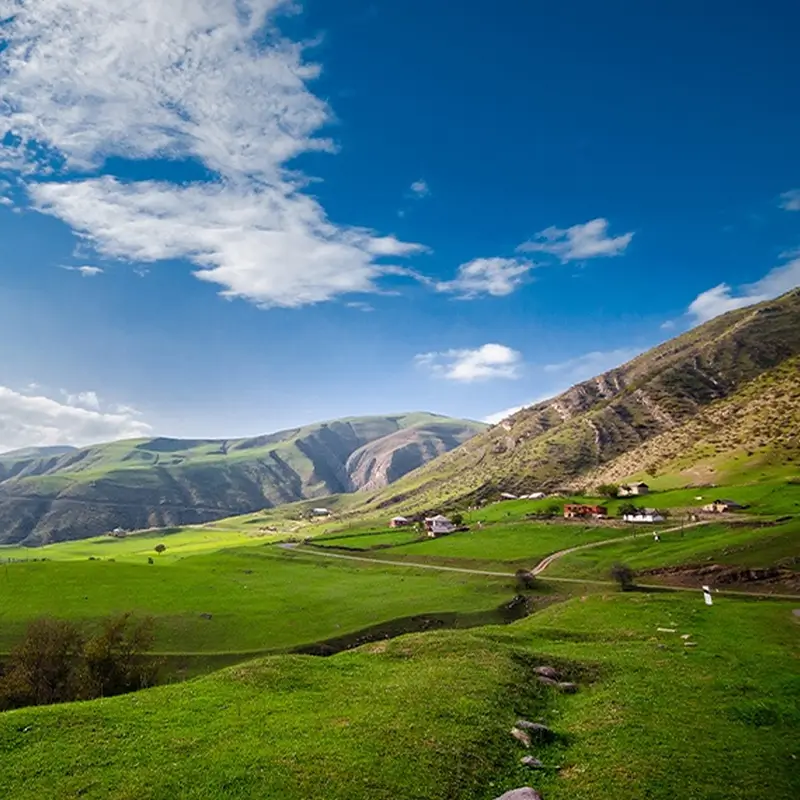
Diverse Climate and the Potential for Strategic Crop Production in Iran
In recent decades, due to economic conditions, international sanctions, and climate changes, achieving self-sufficiency in food production and ensuring food security has become a critical issue. Iran, as a country with significant geographical and climatic diversity, provides a suitable environment for the cultivation of strategic agricultural products. This natural advantage, combined with indigenous knowledge, field experience, and the efforts of agricultural experts, plays a crucial role in the development and sustainability of this sector.
This article aims to provide a comprehensive analysis of Iran’s climatic conditions and the potential for producing strategic crops, particularly food products, based on up-to-date data from reputable domestic and international organizations, expert opinions, and field studies. By examining climate capacities, statistical data, and key products such as wheat, rice, sugar, pistachios, saffron, sugar beet, and sugarcane, alongside an analysis of challenges and opportunities, we propose pathways for optimizing Iran’s agricultural potential.
Climate Conditions and Production Potential
Iran’s diverse climate is one of its most valuable natural assets. With climates ranging from cold mountainous regions in the north and west to hot and arid areas in the south and east, Iran offers a variety of soil and weather conditions, each suitable for cultivating specific crops. This diversity creates opportunities for large-scale cultivation of various strategic products across different regions.
Scientific reports from organizations such as the Food and Agriculture Organization (FAO) and the Intergovernmental Panel on Climate Change (IPCC) indicate that Iran, with 11 out of 13 recognized global climates, holds immense potential for producing strategic food products. For instance, in 2020, Iran ranked second globally in wheat production with approximately 13.3 million tons. In provinces like Qazvin, around 160,000 hectares of land were dedicated to wheat cultivation, with an estimated harvest of nearly 335,000 tons.
Additionally, other products such as rice, sugar, pistachios, and saffron hold strategic importance due to their unique climatic and cultural suitability. The annual rice consumption in Iran is around 3 million tons, highlighting the significance of enhancing domestic production efficiency to reduce import dependency. Similarly, with an annual sugar consumption of approximately 2.2 million tons, increasing domestic production and reducing import reliance remains a national priority.
Iran’s diverse climate also facilitates the cultivation of high-value export crops such as pistachios and saffron. The country has consistently been the world’s largest producer of saffron and one of the top producers of pistachios. In some years, the production capacity of pistachios has surged, increasing Iran’s competitive advantage in global markets and contributing significantly to foreign exchange earnings.
Statistical Overview of Strategic Crops
To better understand Iran’s production capacity, it is essential to refer to statistical and research data. Below are key figures for some of Iran’s most important strategic crops:
• Wheat:
According to FAO reports in 2020, Iran ranked second globally in wheat production with 13.3 million tons. In the current agricultural year, provinces such as Qazvin have allocated 160,000 hectares to wheat cultivation, yielding an estimated 335,000 tons.
• Rice:
Annual rice consumption in Iran is estimated at around 3 million tons. Enhancing domestic production can reduce reliance on imports and strengthen food security.
• Sugar:
Iran’s annual sugar consumption is approximately 2.2 million tons. Reports indicate that while part of this demand is met through domestic production, a portion still relies on imports.
• Pistachios:
Iran has long been one of the world’s largest pistachio producers. Recent data shows that production capacity has increased significantly, boosting export levels in international markets.
• Saffron:
Iran is the world’s leading producer of saffron, holding the largest share in both production and exports. As a high-value agricultural product, saffron plays a crucial role in Iran’s foreign exchange earnings.
• Sugar Beet:
In the current year, from approximately 79,000 hectares of spring sugar beet cultivation, more than 1.4 million tons have been harvested and delivered to sugar factories. This marks a 48% increase in productivity compared to the previous year.
• Sugarcane:
In Khuzestan province, an estimated 6.5 million tons of sugarcane is expected to be harvested from about 89,000 hectares. Beyond supplying raw materials for the sugar industry, sugarcane plays a significant role in employment generation and rural development.
These statistics, sourced from reputable organizations such as IRNA, MEHRNEWS, and official reports, underscore Iran’s substantial capacity for strategic crop production on a national scale. If these capacities are effectively utilized, Iran can achieve self-sufficiency in food production and enhance its position in global agricultural markets.
Expert Opinions
Several leading experts and researchers in agriculture and natural resources have repeatedly emphasized the importance of optimizing Iran’s climatic potential. Below are some notable quotes from prominent specialists:
– Dr. Seyed Mohammad Ali Ebrahimzadeh Mousavi, Dean of the Faculty of Agriculture and Natural Resources, University of Tehran “Despite all the existing challenges, Iran, with its exceptional natural and climatic capacities, is in a position to play a crucial role in ensuring food security at the regional level. Our country produces nearly 130 million tons of food annually, and with a population of over 80 million, this statistic highlights the relentless efforts of our farmers and agricultural specialists.”
– Abolhassan Khalili, Chairman of the Food Industries Commission, Iran Chamber of Commerce “Given the current sanctions and economic restrictions, prioritizing domestic production of strategic agricultural products is essential. Currently, more than 8,300 industrial units operate in the food sector, creating employment for over 361,000 individuals. This demonstrates that investment in this sector can be a significant driver of economic growth.”
– Reza Nourani, President of the National Union of Agricultural Products “Striving for self-sufficiency in strategic agricultural products is not only economically beneficial but also a national necessity. At a time when many essential goods are imported, ensuring sufficient domestic food production with high quality can reduce dependency on foreign resources.”
These expert insights highlight the importance of investing in agricultural technology and precise planning. Successful domestic and international experiences in agricultural digitalization, water resource management, and field data utilization can pave the way for sustainable development in this sector.
Challenges and Opportunities in Agriculture
Despite Iran’s vast potential for producing strategic crops, several challenges hinder the full realization of this capacity. The most significant challenges include:
• Water Scarcity:
Iran faces severe water resource challenges. Reduced natural precipitation, excessive groundwater extraction, and climate change have led to inadequate water supplies for agricultural needs in many regions.
• Climate Change:
Climate fluctuations and rising temperatures directly affect agricultural growth cycles. International research indicates that, in recent decades, there have been significant changes in rainfall patterns and temperature, necessitating adaptation and new cultivation methods.
• Inadequate Infrastructure:
In some regions, the lack of essential infrastructure such as modern irrigation systems, storage facilities, and transportation networks presents a major barrier to maximizing agricultural productivity.
• Reliance on Traditional Farming Methods:
Despite global advancements in agricultural technology, many areas in Iran still rely on traditional farming techniques, which result in lower productivity and higher production costs.
On the other hand, significant opportunities exist in this sector. Some of the most promising opportunities include:
• Adoption of Modern Agricultural Technologies:
Utilizing digital systems, the Internet of Things (IoT), and artificial intelligence in agriculture enables precise monitoring of weather, soil conditions, and irrigation. Remote monitoring systems, successfully implemented in countries like Turkey and Spain, can serve as effective models for Iran.
• Strengthening Research Collaborations:
Enhancing cooperation between universities, research centers, and the agricultural industry can facilitate the transfer of knowledge and advanced technologies. This not only boosts productivity but also supports the development of high-value agricultural products.
• Investment in Modern Infrastructure:
Developing irrigation networks, storage facilities, and transport logistics can optimize production capabilities and improve product quality. Such investments can also stimulate job creation and economic growth, particularly in rural areas.
• Diversification of Products and Export Markets:
Iran’s diverse climate supports the cultivation of various crops. In addition to staple crops like wheat and rice, the production of high-value export commodities such as pistachios and saffron can significantly contribute to foreign exchange earnings.
Solutions and Practical Recommendations
Despite existing challenges, successful domestic and international experiences show that with proper planning and investment, Iran’s potential can be optimally utilized. Below are several practical recommendations that can contribute to the sustainable development of the agricultural sector:
– Implementing Modern Technologies in Agriculture:
Utilizing smart water management systems and remote monitoring technologies can enhance efficiency and reduce resource wastage. The digitalization of agricultural processes, from planting to harvesting, enables early problem detection and performance improvement.
– Strengthening Applied Research and Technology Transfer:
Fostering close collaboration between universities, research institutions, and the agricultural industry can facilitate knowledge exchange and the adoption of advanced technologies. Supporting research projects focused on improving cultivation methods and land utilization will play a crucial role in increasing the production of strategic crops.
– Developing Irrigation and Transportation Infrastructure:
Investing in modern irrigation systems and employing innovative technologies for better water resource management are essential for boosting productivity. Improving transportation networks and storage facilities can reduce product loss and enhance value-added processes in the supply chain.
– Establishing Supportive Policies and Financial Incentives:
Government and relevant organizations can enhance private sector investment in agriculture by offering credit facilities and financial support. Implementing incentive programs for the adoption of advanced technologies and efficient resource management can serve as a catalyst for transformation in this sector.
– Enhancing Education and Knowledge Transfer for Farmers:
Organizing training courses and specialized workshops for farmers and agribusiness managers can familiarize them with modern technologies and improve cultivation methods. Establishing technical service and advisory centers in rural areas can help address practical challenges in agriculture.
By implementing these solutions, Iran can position itself as a key player in the global strategic food market in the long run while reducing dependence on imports.
One of the key factors in sustainable development is fostering interaction between the public and private sectors. Given that financial and technical resources are also available within the private sector, their collaboration in formulating strategic plans and executing innovative projects can lead to real transformation in agriculture. The success of developed countries in this regard demonstrates that close cooperation between governments, universities, and private enterprises significantly enhances productivity and sustainability.
Moreover, establishing the necessary frameworks for exporting high-quality agricultural products can play a vital role in increasing foreign exchange earnings and national economic growth. By employing effective marketing strategies and improving hygiene and quality standards, Iran can establish itself as a major exporter of strategic products in global markets.
Summary and Future Outlook
A comprehensive analysis of Iran’s climatic conditions and agricultural potential reveals that, despite existing challenges, the country possesses valuable natural and human resources. If properly leveraged, these assets can significantly contribute to domestic food security and global agricultural markets. Iran’s productive capacity in key crops such as wheat, rice, sugar, pistachios, saffron, sugar beets, and sugarcane highlights its considerable agricultural capabilities.
Based on available statistics, Iran has consistently ranked among countries with significant strategic crop production, playing a crucial role in global markets. This, coupled with expert opinions emphasizing the importance of adopting modern agricultural technologies, indicates the country’s high potential for sustainable growth and development.
Given the challenges posed by water shortages, climate change, and reliance on traditional farming methods, it is imperative to transition to more efficient production techniques and adopt modern technologies. In this journey, collaboration between governmental entities, the private sector, and research institutions can drive groundbreaking innovations in the agricultural industry.
Looking ahead, Iran’s agricultural sector holds promising prospects, provided that policymakers and senior managers embrace innovative approaches and make targeted investments to create an environment conducive to sustainable growth. Drawing from the successful experiences of neighboring countries and global leaders in digital agriculture, water resource management, and technology transfer, Iran can emerge as a major exporter of strategic crops.
One of the most pressing future priorities is the establishment of an integrated monitoring and evaluation system for crop performance and field data utilization. Such systems not only improve production processes but also provide precise reports that enable policymakers to make informed strategic decisions. Consequently, leveraging smart monitoring systems and geographic information systems (GIS) can serve as critical tools for enhancing efficiency and minimizing resource waste.
Additionally, expanding specialized training for farmers and transferring modern agricultural knowledge through training programs and practical workshops are crucial for improving productivity and product quality. The experiences of countries like Turkey and Spain have shown that increasing awareness and technical expertise among producers plays a significant role in overall agricultural performance improvement.
Ultimately, if supportive policies and financial incentives are structured in a way that encourages investors and producers to adopt modern technologies, Iran can witness a fundamental transformation in its strategic crop production. Therefore, fostering widespread private sector participation in innovative projects can be a key driver of agricultural transformation.
In conclusion, the future of strategic agriculture in Iran depends on the convergence of various factors, from optimizing climatic and natural resources to leveraging modern technologies, strengthening applied research, and fostering ongoing collaboration between relevant stakeholders. The synergy and cooperation among these components can ensure long-term food security and economic growth.
Vastra Holding: A Strategic Role in Transforming Iran’s Agriculture
At a time when food security and sustainable development are national priorities, Vastra Holding plays a pivotal role in strengthening Iran’s agricultural infrastructure and optimizing its natural resources through its innovative approach and strategic investments. Vastra’s efforts in attracting modern investments, supporting technology-driven projects, and digitalizing agricultural processes have not only increased productivity in strategic crops but also created new opportunities for improving supply chain quality and fostering sustainable employment on a national scale.
By bridging the gap between government agencies, private enterprises, and research institutions, Vastra has established itself as a key financial partner in shaping strategic policies and implementing innovative initiatives. Drawing inspiration from the successful experiences of developed countries in leveraging field data and cutting-edge agricultural technologies, Vastra is setting new standards for efficiency and sustainability.
Through its strategic investments, Vastra Holding is paving the way for a fundamental transformation in Iran’s agricultural sector. As a prime example of synergy between indigenous knowledge, modern technology, and natural resource management, Vastra has created technical and financial support networks, organized training programs and specialized workshops, and facilitated the transfer of knowledge to farmers and agribusiness managers. This comprehensive approach not only enhances production capacity and improves irrigation and transportation systems but also establishes Vastra as a smart investor fostering positive changes in domestic and international agricultural markets.