
Development Plan for the Cage Fish Farming Value Chain in the Southern Coastal Regions
Vastra’s Investment in the Cage Fish Farming Value Chain: A Strategic Step Toward Food Security and Sustainable Development
Vastra Holding, in line with strengthening the fisheries industry value chain and promoting sustainable aquaculture, has initiated a strategic investment in cage fish farming. This project, implemented in collaboration with domestic knowledge-based and technology-driven companies, is among the leading cage fish farming initiatives in the country. It aims to manage the value chain for the annual production of over 10,000 tons of high-quality fish.
Investment Objectives
This project is designed and executed to increase the production of sustainable and healthy protein, reduce reliance on imports, and create jobs in coastal regions.
Key objectives of this initiative include:
- Establishing and expanding the cage fish farming value chain
- Increasing domestic cage fish farming capacity
- Developing exports of seafood products in compliance with global standards
- Enhancing aquaculture infrastructure and reducing production costs
- Improving aquatic health and biosecurity standards
- Creating sustainable employment opportunities in coastal regions

Operational Phases
This project has been structured into six key phases:
- Establishing standardized hatchery and nursery units with an annual production capacity of 20 million juvenile fish.
- Launching modern cage fish farms with a production capacity of 1,000 tons per year (as a model farm).
- Managing the value chain for 10,000 tons of fish production through contract farming.
- Developing advanced processing and packaging units for seafood products to enhance value-added production.
- Expanding transport and logistics infrastructure for live fish transportation.
- Trading over 10,000 tons of fish in domestic and international markets.
Applied Technologies
This project incorporates cutting-edge technologies in offshore cage fish farming, including:
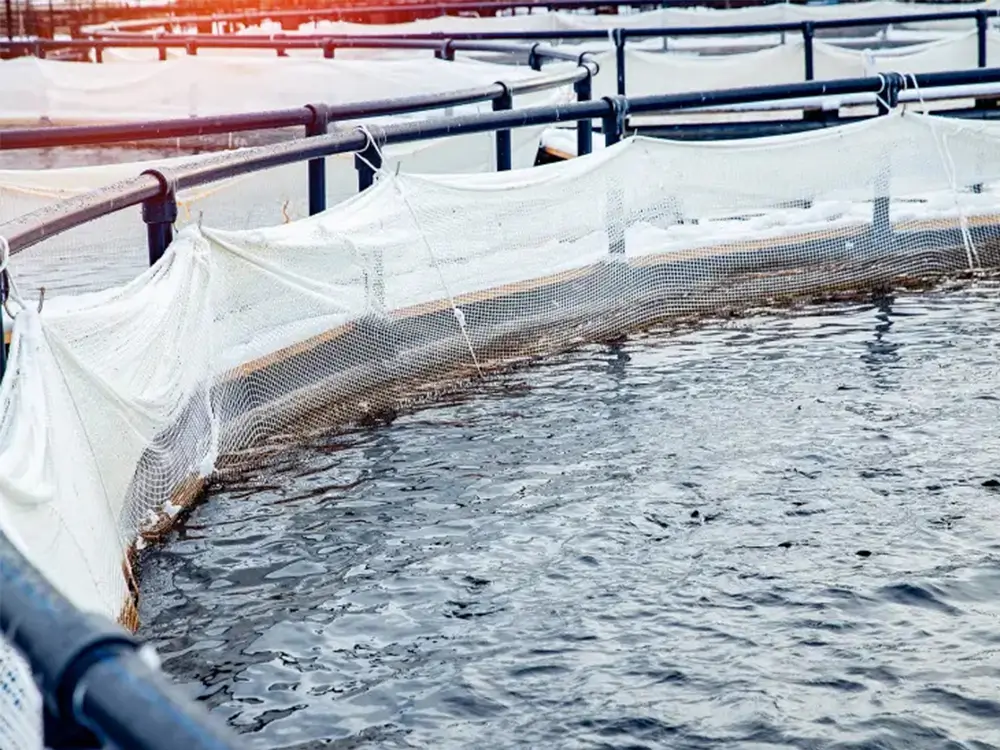
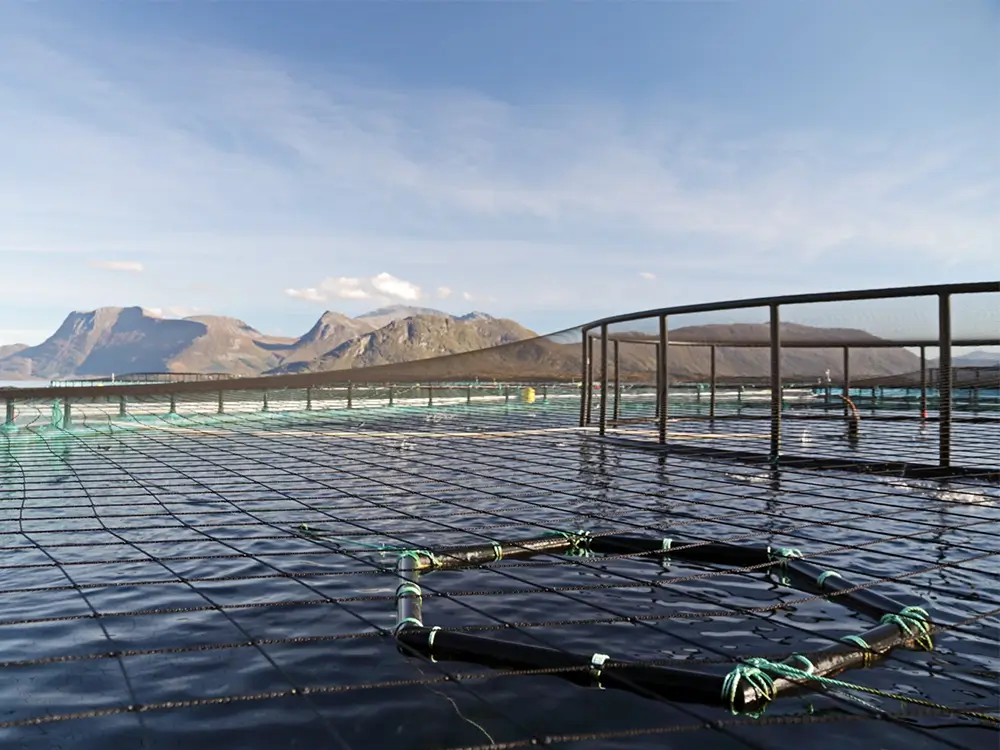
- Durable cages designed to withstand harsh marine conditions.
- Smart monitoring and quality control systems for fish farms.
- High-capacity hatchery and nursery equipment.
- Production of high-quality, cost-effective feed to enhance productivity.
Economic and Social Impact
This project plays a crucial role in the economic and social development of coastal areas. Key benefits include:
- Enhancing national food security by producing healthy and cost-effective protein sources.
- Strengthening the local economy and creating employment opportunities in coastal regions.
- Improving Iran’s position in regional and global seafood markets.
Future Vision and Development Plans
Leveraging this initiative, Vastra Holding aims to become the leading regional player in the aquaculture industry through collaboration with knowledge-based and technology-driven companies. The project’s expansion plans include:
- Increasing production capacity to over 20,000 tons per year.
- Establishing a national seafood brand for exports to European and Asian markets.
- Investing in sustainable and advanced technologies to reduce costs and improve efficiency.
- Attracting foreign investors to develop aquaculture, particularly in free trade zones.
Conclusion
Vastra’s investment in the cage fish farming value chain serves as a successful model of smart and sustainable investment in the fisheries industry. By introducing new market opportunities in both domestic and international sectors, this initiative plays a vital role in food security, economic efficiency, and long-term employment generation in the country.