
Photonic Technology for Enhancing Agricultural Growth and Lighting
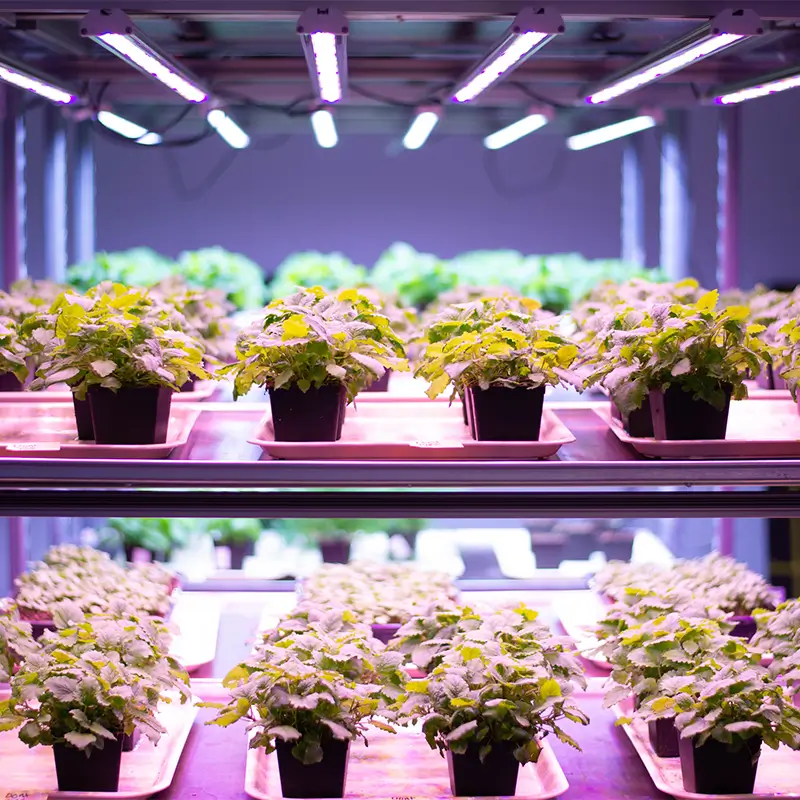
New Horizons in Agriculture: Enhancing Crop Efficiency with Photonics Technology and Smart Lighting
As one of the leading innovations in modern agriculture, photonics technology has gained a significant role in recent years by optimizing production processes and reducing the consumption of essential resources. By integrating advanced scientific knowledge in optics, light processing, and optical sensors, this technology enables precise monitoring of plant conditions and improves the efficiency of light exposure.
As a key driver of digital transformation in agriculture, photonics is being applied in greenhouses and open fields to optimize lighting conditions, water usage, and even the accuracy of plant disease detection. The development of smart lighting systems, utilization of sensitive data, and implementation of advanced algorithms are opening up new opportunities for sustainable agricultural growth.
This article provides a comprehensive overview of the concepts, technical principles, applications, and both economic and environmental benefits of photonics technology in agriculture. It includes verified statistical data from reputable international sources such as the Food and Agriculture Organization (FAO) and academic studies from leading universities in advanced technologies, along with insights from top experts in the field.
Given the importance of efficient resource use and the growing demand for higher agricultural productivity, emerging technologies like photonics can serve as key tools in transforming management practices and increasing efficiency. Moreover, the implementation of this technology not only enhances production conditions but also contributes positively to reducing energy and water costs.
Exploring Photonics Technology in Agriculture
Photonics is a branch of optical science that focuses on the study, generation, and control of light and its properties. In modern agriculture, this technology enables precise identification of lighting requirements, adjustment of light conditions based on plant needs, and continuous monitoring of crop health. Its wide-ranging applications include smart LED lighting systems in greenhouses, optical sensors for early detection of plant diseases, and spectral analysis of agricultural products.
Using photonics in greenhouses can increase lighting efficiency by up to 30%, leading to faster plant growth and reduced energy consumption. Documented field studies show that the implementation of smart lighting systems significantly enhances both the quality and quantity of agricultural yields.
– Definition and Fundamentals of Photonics Technology
At its core, photonics studies how light interacts with matter and how optical signals can be converted into actionable information. In agriculture, these principles are applied to more accurately assess plant health, determine water and light requirements, and even plan irrigation schedules. Photonics-based systems leverage intelligent algorithms to optimize lighting conditions in greenhouses, ensuring that plants receive the right amount of light at different times of the day.
This technology utilizes advanced sensors and spectral imaging systems to capture detailed visuals of plant conditions, translating them into numerical data. This data enables precise environmental analysis and rapid response to sudden changes.
– Professor Jane Smith, University of California, College of Agriculture: “Photonics technology has revolutionized agriculture. With it, we can detect and respond to plant needs with greater precision and in real time.”
As a result, photonics serves as a bridge between theoretical science and practical applications in agriculture, paving the way for enhanced productivity and continuous monitoring.
Physical and Technological Principles of Photonics
A deep understanding of the physical and technological principles behind photonics is essential for its effective application in agriculture. These principles encompass the optical properties of light, spectral detection techniques, and the processing of resulting data. The practical applications of this technology in agriculture are vast and varied—from smart lighting systems in greenhouses to precision sensors for environmental monitoring.
– Principles of Light and Spectral Detection
Photonics technology leverages spectral analysis of light to accurately detect materials and environmental conditions. By using light waves as an information source, it enables early detection of changes in plant health, signs of disease, and nutritional deficiencies. Spectral imaging systems can precisely measure light reflection from plant surfaces, with the resulting data indicating levels of chlorophyll, contamination, or plant stress.
For instance, studies have shown that hyperspectral imaging devices can boost the accuracy of plant disease detection by up to 90%—a breakthrough that not only reduces the need for chemical treatments but also significantly improves crop health.
– Dr. Ali Mohammadi, Researcher at Iran Agricultural Research Center: “The use of optical sensors in Iranian farms has demonstrated a significant reduction in water consumption while boosting productivity.”
Moreover, advanced technologies now enable the use of Photonic Integrated Circuits (PICs), which provide precise measurements of the chemical composition of soil and plants. These insights are invaluable for assessing nutrient levels and optimal growing conditions.
Such technologies empower farmers to continuously monitor crop status and more effectively plan optimal times for irrigation, fertilization, and lighting adjustments.
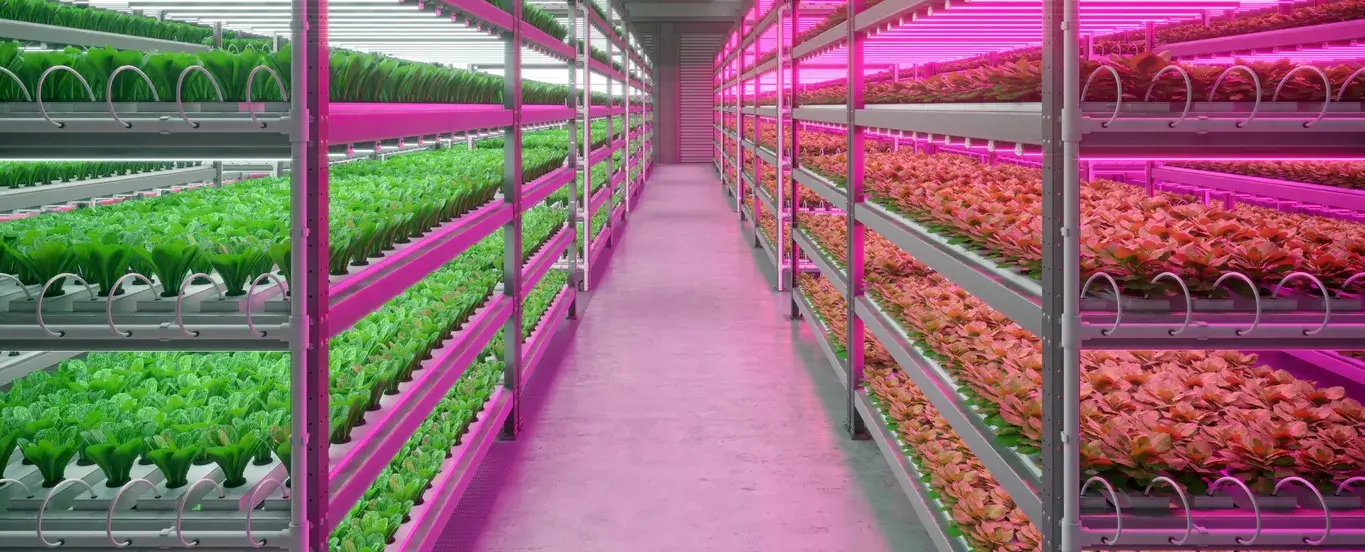
Practical Applications of Photonics Technology in Greenhouses and Farms
Photonics technology is widely used in both greenhouse and open-field environments to enhance crop performance. From optimizing light efficiency to accurately detecting plant diseases, this technology has become a key driver in the evolution of smart agriculture.
– Enhancing Lighting Systems and Light Efficiency
In greenhouses, the integration of smart LED lighting systems powered by photonics has significantly improved light efficiency. Studies show that this technology can boost lighting efficiency by up to 30%, leading to faster plant growth and reduced energy consumption. The result is improved product quality and lower operational costs.
By precisely adjusting the intensity, wavelength, and mix of red and blue light, lighting conditions are optimized to enhance the photosynthesis process and accelerate plant development. This enables greenhouses to produce high-quality crops in shorter growing cycles.
– Detecting Plant Diseases with Spectral Imaging
Spectral imaging is one of the standout applications of photonics technology in agriculture. This technique provides highly detailed visuals of plant conditions, enabling the early detection of disease symptoms. The imaging data captures subtle color patterns and surface variations, helping farmers take preventative measures at the earliest possible stage.
Research indicates that implementing these systems can increase disease detection accuracy by up to 90%. Not only does this improve plant health, but it also reduces the use of agricultural chemicals, contributing to environmental protection and water resource conservation.
– Professor Leo Marcelis, Wageningen University: “Red light is highly beneficial for plant growth, and combining it with 5 to 10 percent blue light yields even better results.”
For example, in advanced greenhouses, optical sensors continuously monitor plant conditions and automatically adjust light intensity, irrigation schedules, and other environmental factors. The insights generated by these systems play a vital role in improving productivity and cutting production costs.
Economic and Environmental Benefits of Photonics Technology
One of the key reasons photonics technology has quickly gained attention is its ability to reduce production costs and enhance economic efficiency in agriculture. Beyond its economic value, this technology also brings significant environmental benefits that contribute to the sustainability of natural resources.
– Reducing Water and Energy Consumption in Agriculture
According to research, the use of optical sensors and smart photonics-based systems can reduce water usage on farms by up to 25%. This is achieved through accurate detection of each plant’s water needs and precise irrigation control. In greenhouses, smart LED lighting systems have been shown to cut energy consumption by up to 30%, making a significant impact on energy cost reduction.
Another economic advantage of this technology is the reduction of crop waste through early detection of plant issues and diseases. By minimizing unnecessary resource use and optimizing production processes, farmers can achieve greater profitability.
– Environmental Sustainability and Pollution Reduction
Reducing water and energy consumption is only part of the positive environmental impact of photonics. The technology also contributes to lowering greenhouse gas emissions and reducing reliance on fossil fuels. Moreover, the decline in pesticide use—thanks to more accurate disease detection—helps preserve soil quality and protect water resources.
– Professor Shlomi Arnon, Ben-Gurion University & Director of the Center for Quantum Technologies: “Optical technologies can help farmers optimize fertilizer use and prevent water source contamination.”
In addition, leveraging advanced technologies enables the production of more organic and sustainable crops—adding both environmental value and market appeal.
In this regard, the adoption of photonics not only boosts agricultural productivity, but also plays a crucial role in driving smart, sustainable farming practices from both economic and environmental standpoints.
Market Analysis and Future Trends in Photonics Technology
As photonics technology continues to expand within the agricultural sector, the global market for optical sensors and systems is experiencing rapid growth. Economic analyses indicate that with ongoing technological advancements and rising demand for high-quality agricultural products, this market is poised for significant expansion in the coming years.
– Growth of the Agricultural Sensor Market
Projections suggest that the global agricultural sensor market will reach approximately $2.63 billion by 2026. This growth is primarily driven by the increasing adoption of advanced technologies in agriculture and evolving patterns of resource usage on farms. High-efficiency optical systems enhance the precision of environmental monitoring and irrigation processes, ultimately leading to reduced production costs.
This market expansion creates vast opportunities for companies operating in the fields of optical technology and smart systems, while also fostering international research and development in this area.
– Emerging Research and International Studies
Recent studies published in reputable journals such as *Nature Communications* and *Agricultural Photonics* provide compelling evidence of improved light efficiency, reduced energy consumption, and enhanced diagnostic accuracy in agriculture. Prestigious institutions like the University of Tokyo have also released findings demonstrating how specific light spectrums can accelerate plant growth and boost resistance to disease.
In response, international researchers are developing intelligent algorithms to optimize optical systems and spectral imaging technologies—aiming to generate more accurate data on crop conditions. This trend is opening new pathways for increasing productivity and minimizing waste throughout the agricultural supply chain.
– Harry Schmitz, Director of Fruit Tech Campus, Netherlands: “We use cameras that capture 140 images of each apple in just milliseconds to build a 3D model and separate damaged apples before packaging.”
The collective findings of these studies underscore the growing impact of optical technologies in agriculture—not only in terms of economic value, but also in enhancing the overall quality of agricultural products.
Challenges and Implementation Strategies for Photonics Technology
Despite the numerous advantages of photonics technology in agriculture, there are still several technical and managerial challenges that need to be addressed for successful implementation. These challenges range from the need for modern infrastructure to proper training of personnel in handling advanced tools and systems.
– Technical Barriers and the Need for Modern Infrastructure
One of the main obstacles in deploying photonics technology is the requirement for robust infrastructure to process and store the large volumes of data generated by optical sensors. Research centers and tech companies must invest in the development of smart software and real-time monitoring systems to ensure efficient data analysis and decision-making.
In addition, establishing technical standards to enable seamless communication and integration between various devices is another key challenge. Collaboration among equipment manufacturers, technology experts, and government agencies is essential to streamline these processes and ensure system compatibility.
– Successful Approaches in Leading Countries
The experiences of technologically advanced countries demonstrate that successful implementation of photonics in agriculture relies heavily on cooperation between the private sector, universities, and research institutions. Large-scale investments in R&D and the integration of smart systems have helped overcome many of the technical hurdles.
Some proven strategies include the development of automated smart monitoring systems, the use of big data analytics to assess conditions, and farmer training programs focused on modern agricultural technologies. These initiatives reflect the successful models adopted across Europe and North America and offer a solid framework for adaptation in other regions, including our own.
Moreover, the expansion of communication technologies and improved internet bandwidth in rural areas has played a crucial role in the successful deployment of photonics-based systems—enabling rapid sensor data transmission directly from farms.
Conclusion and Future Outlook for Photonics Technology in Agriculture
An in-depth review of photonics technology in agriculture reveals its pivotal role in transforming production systems and enhancing crop efficiency. On one hand, optical sensors and smart systems drastically reduce the consumption of key resources like water and energy. On the other, they improve the accuracy and effectiveness of plant disease detection and lighting management.
– Summary of Benefits and Challenges
Studies and published data confirm that photonics, through innovative lighting and spectral detection solutions, is opening up new pathways for the advancement of smart agriculture. Beyond its economic advantages, the technology contributes significantly to environmental conservation by minimizing the waste of water and energy.
At the same time, challenges such as the need for advanced infrastructure and coordination among different stakeholders must be addressed through increased research investment and the expansion of international cooperation. The future of photonics lies in bridging the gap between scientific theory and practical application—unlocking exceptional productivity and long-term sustainability if implemented correctly.
Ultimately, adopting optical technologies like photonics is not just a trend but a necessity for the modernization of agriculture. Widespread use of this technology can lead to higher-quality produce and reduced operational costs—boosting profitability and driving sustainable development over time.
– Professor Shlomi Arnon, Ben-Gurion University & Director of the Center for Quantum Technologies: “By combining technical knowledge with cutting-edge photonics tools, we can achieve smarter agriculture that preserves natural resources while boosting productivity.”
In addition to offering economic opportunities, this technology represents a new model for environmental stewardship and sustainable resource use—positioning itself as a powerful driver of positive global change.
A comprehensive view of scientific and technological trends suggests a bright future for photonics in agriculture—one that will lead to the creation of intelligent and sustainable ecosystems. These systems will not only enhance production processes but also foster long-term employment and innovation in the agricultural sector.
With ongoing growth in research and development, the coming years are expected to bring even greater advancements in the application of optical technologies in agriculture—delivering measurable economic and environmental benefits.
Therefore, aligning with cutting-edge technologies like photonics paves the way for more efficient resource management, improved production levels, and higher product quality. This, in turn, creates a positive cycle of knowledge generation and innovation across the agricultural landscape.
Achieving this vision requires strong collaboration between universities, research centers, government institutions, and the private sector. Strategic planning and long-term investments in advanced technologies are essential to realizing a sustainable future in agriculture.
In conclusion, photonics and its related innovations are projected to become a key factor over the next decade—driving productivity, reducing resource consumption, and enhancing the quality of agricultural products. By offering smart and precise solutions, this technology has the potential to turn existing challenges into golden opportunities for sustainable growth.
If used wisely, photonics can lead to a fundamental transformation in how we produce, manage, and distribute agricultural goods. This shift holds the promise of creating added value for farmers while strengthening food security and environmental sustainability.