
Women’s Role in Iran’s Agriculture
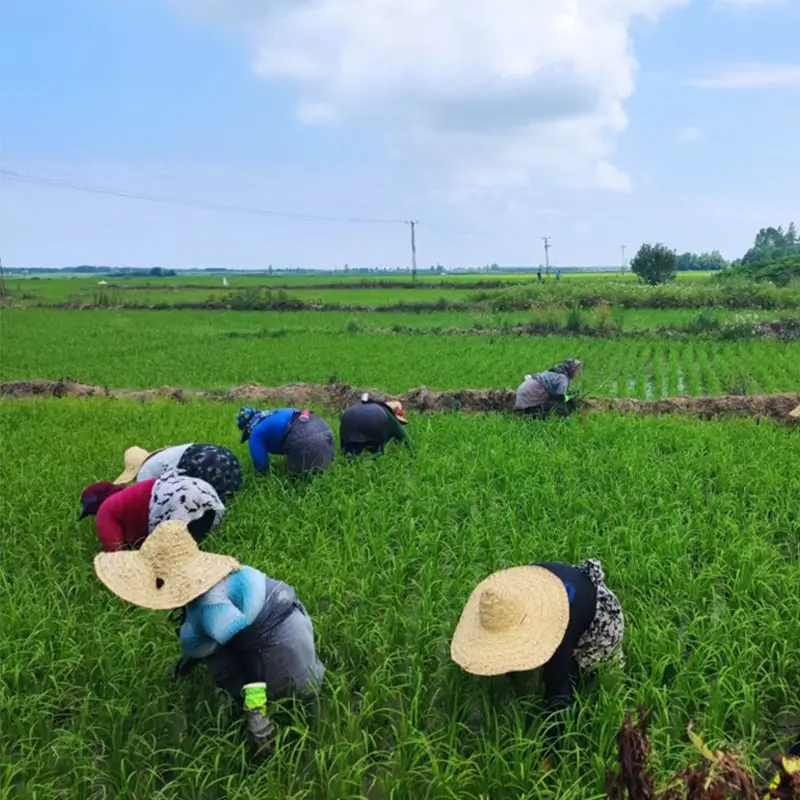
The Role of Women in Iran’s Agricultural Industry
Amid the fertile fields and lush orchards of Iran, women play an invaluable yet often overlooked role in advancing the agricultural industry. This article examines the position and impact of women across various aspects of agriculture, from their contributions to production to their involvement in economic and social decision-making. With the intersection of traditional and modern farming practices, women are emerging as dynamic and skilled entrepreneurs, overcoming numerous obstacles to participate more actively in this sector. This article seeks to identify these challenges and offer solutions to optimize the potential of women in agriculture.
Women’s Contribution to Agricultural Production
In Iran, the agricultural sector heavily relies on the support of women, who are the backbone of rural economies. Women, representing approximately 70% of the agricultural workforce, engage in a wide range of farming activities. From the initial stages of cultivation—preparing soil and sowing seeds—to labor-intensive tasks such as weeding and pest control, their hands-on involvement ensures crop health and productivity.
Their expertise extends beyond cultivation to the critical harvesting phase, where they demonstrate remarkable endurance and skill in collecting crops. However, their participation does not end there. Women also play a vital role in post-harvest processing, engaging in activities such as sorting, cleaning, and packaging to maintain product quality and marketability.
Additionally, women are instrumental in the marketing of agricultural products. They navigate local markets, manage sales, and establish relationships with buyers, showcasing their business acumen alongside their agricultural expertise. This dual expertise significantly contributes to the advancement of local economies and the livelihoods of rural communities.
Despite their substantial contributions to Iran’s agricultural industry, women face numerous challenges that hinder their full participation and recognition. Limited access to resources such as land ownership and financial services, along with cultural and social barriers, constrains their potential and undervalues their labor. Addressing these challenges is not only essential for empowering women but also crucial for the sustainability and growth of the agricultural sector as a whole.
Empowering women in agriculture through education, resource accessibility, and policy support can lead to increased productivity, enhanced food security, and economic growth. As stewards of the land and managers of crop production, women bring unique perspectives and skills that are indispensable. Recognizing and amplifying their contributions is not merely a matter of gender equality; it is a strategic necessity for the development of Iran’s agricultural industry and beyond.
Economic Impact of Women Farmers
Despite playing a pivotal role in Iran’s agricultural sector, women farmers continue to face marginalization. Their significant contributions often go unrecognized, and they are frequently deprived of access to modern agricultural resources such as high-quality seeds, fertilizers, and advanced machinery. This not only affects their productivity but also has broader implications for rural economies and food security.
The economic impact of this marginalization is multifaceted. On one hand, it results in inefficiencies in agricultural production, as women lack access to advanced techniques that could enhance crop yield and quality. On the other hand, it perpetuates a cycle of poverty among women farmers, who, due to low productivity levels, struggle to generate sufficient income.
Food security is another critical area affected by the lack of resources available to women farmers. As key contributors to the food supply chain, their inability to operate at full capacity threatens the stability of food availability. This can lead to rising food prices, disproportionately affecting the most vulnerable populations.
Moreover, studies have shown that economic empowerment of women has a ripple effect on communities. When women have control over their income, they are more likely to invest in health, education, and nutrition for their families, leading to overall better outcomes in society. Thus, the marginalization of women farmers not only impacts the agricultural sector but also hinders broader social and economic development.
To address these issues, the implementation of policies ensuring equal access to agricultural resources and services for women farmers is crucial. This includes land rights, credit facilities, and training on modern agricultural practices. By empowering women farmers, Iran can boost agricultural productivity, enhance food security, and promote a more equitable and prosperous society.
Access to Agricultural Resources and Services
Access to agricultural resources and services is a crucial component of empowering and advancing women in Iran’s agricultural sector. Women farmers, who form an integral part of the industry, face challenges in acquiring land ownership, securing capital, and obtaining the knowledge and information necessary for efficient production. These barriers, rooted in socio-economic and cultural factors, disproportionately affect women.
- Land Ownership: Secure land ownership is fundamental to independence and decision-making in land utilization. However, existing legal and social restrictions often prevent women from owning or inheriting land, limiting their ability to invest in agriculture and access government support and loans.
- Capital: Access to financial resources is essential for purchasing high-quality seeds, fertilizers, and modern equipment. However, financial institutions, due to concerns over risk and lack of collateral, frequently hesitate to offer loans to women. These limitations reduce their ability to improve productivity and increase farm incomes.
- Knowledge and Information: Staying informed about the latest agricultural techniques, pest management strategies, and market trends is critical for competitiveness. However, traditional gender roles and mobility restrictions limit women’s access to essential training programs and extension services.
These challenges hinder the full potential of women farmers. Addressing these barriers will not only empower women in agriculture but also enhance overall sector productivity and sustainability. Initiatives that provide women with equitable access to land, capital, and knowledge are essential. Such measures may include legal reforms on land rights, tailored financial products for women farmers, and extension services with widespread accessibility.
Mechanisms to Ensure Women’s Advancement in Agriculture
In Iran, various mechanisms have been implemented to enhance the progress of women in the agricultural sector. These mechanisms aim to support women’s active participation in agriculture, forestry, and fisheries while emphasizing their invaluable role in these industries. The initiatives are designed to address gender inequalities and empower women to achieve economic independence and greater decision-making power.
One such mechanism is the implementation of specialized training programs that equip women with knowledge in sustainable agriculture, resource management, and technological innovations. By providing women with the necessary skills, these programs enable them to increase their productivity and play a more impactful role in the sector.
Another mechanism involves the provision of microfinance opportunities tailored specifically for women entrepreneurs in agriculture. These financial services allow women to start or expand their agricultural businesses, purchase essential equipment, and invest in improving their farming activities. Limited access to credit—often a significant barrier for women—is addressed through financial products designed to meet their needs.
Additionally, initiatives to expand women’s access to markets and trade networks have been developed. These programs help women identify suitable markets for their products, negotiate fair prices, and establish themselves as influential players in the agricultural industry. With improved market access, women can achieve greater economic success and contribute to the sector’s growth.
Moreover, policy support and legal reforms play a crucial role in advancing women’s participation. Efforts to change discriminatory laws and practices that hinder women’s involvement in agriculture are essential. This includes strengthening land ownership rights, ensuring equal rights and representation in agricultural organizations, and advocating for women’s inclusion in decision-making bodies.
Finally, community-based support groups have been established to provide women with platforms to share experiences, knowledge, and resources. These groups foster solidarity and collective action, empowering women to effectively advocate for their rights and interests.
Women’s Rights and Decision-Making in Agriculture
Women’s role in agricultural decision-making processes is not only fundamental but also crucial for the future development of the sector. In Iran, agriculture serves as one of the main pillars of the economy and society, requiring active participation from women in decisions that impact their lives and work—an essential factor in achieving sustainable development.
Women’s rights in agriculture encompass a broad range of issues, including land ownership, access to resources, participation in policymaking, and leadership roles. When women have decision-making power, they introduce innovative perspectives and solutions that can enhance agricultural practices.
However, women’s involvement in agricultural decision-making is often hindered by social norms and institutional barriers. These restrictions may include a lack of recognition for their contributions, limited access to education and information, and exclusion from leadership opportunities. To overcome these challenges, it is necessary to create enabling environments that protect women’s rights and encourage their active participation.
One effective approach is legal reform that formally recognizes and safeguards women’s rights in areas such as land ownership and resource access. Additionally, offering educational programs that equip women with the knowledge and skills necessary for active participation in decision-making is of great importance. Furthermore, forming networks and platforms where women can collaborate, share knowledge, and advocate for their rights is essential.
Women’s participation in decision-making yields broad benefits for both agriculture and society. Research indicates that when women are involved in decision-making, significant improvements occur in productivity, resource management, and economic outcomes. This is largely due to women’s tendency to prioritize the well-being of their families and communities, fostering more sustainable and equitable development.
Integrating Traditional and Modern Agriculture in Iran
In Iran, rapid advancements in modern agricultural techniques have transformed the agricultural landscape. This shift towards mechanization and the use of advanced technologies has created a divide between traditional methods, which women have historically practiced, and modern techniques shaping the future of agriculture.
Iranian women, as custodians of traditional agricultural knowledge, have preserved techniques and skills passed down through generations. They possess a deep understanding of local ecosystems, crop cycles, and sustainable practices, which hold immense value. However, with industrial advancements, there is a risk that this knowledge—and the role of women—could be marginalized.
While agricultural mechanization has increased efficiency and productivity, it has also reinforced gender-based labor divisions. Men are more likely to engage with machinery and new technologies, whereas women’s roles often remain confined to manual and lower-valued tasks. This not only limits women’s economic opportunities but also leads to the loss of valuable skills and perspectives they contribute to agriculture.
Targeted training programs that equip women with the necessary skills to engage in modern agriculture, along with policies promoting gender equality in resource access, can help women benefit from these advancements.
Creating dialogue spaces between traditional and modern agricultural practitioners can also facilitate knowledge exchange and encourage collaborative innovation. By valuing women’s contributions and integrating their traditional knowledge into modern approaches, the agricultural industry can become more sustainable and resilient.
Agricultural Education and Skill Development for Women
Agricultural skill development for women in Iran is a cornerstone of progress and growth in this sector. With the rapid introduction of technology and modern farming techniques, the demand for a skilled and knowledgeable workforce has never been greater. However, women farmers often face challenges in accessing specialized training and skill development opportunities.
The lack of adequate training for women farmers creates barriers to adopting and implementing modern agricultural methods, ultimately affecting productivity and sustainability. Without the necessary skills, women cannot utilize advanced tools and techniques that could significantly improve their crop yields and product quality.
Additionally, limited access to educational opportunities widens the gender gap in agriculture. Men, due to better access to training, are often better prepared to adopt new technologies and innovations in farming. This inequality not only impacts women but also limits the agricultural sector’s overall potential for broader economic growth.
Education and skill development are also crucial for empowering women to become leaders and decision-makers within agricultural communities. Proper training can provide women with the confidence and competence to take on leadership roles and advocate effectively for their rights and community needs.
To address these challenges, the development of more extensive training programs tailored to the needs of women farmers is essential. These programs must be accessible, considering women’s responsibilities at home and on the farm. Training should be comprehensive, covering technical agricultural skills, business management, financial literacy, and environmental sustainability.
Collaboration between the government, non-profit organizations, and the private sector can play a crucial role in expanding educational opportunities for women. By working together, these entities can pool resources, share expertise, and develop programs that meet the diverse needs of women farmers.
Overcoming Barriers for Women Entrepreneurs in Agriculture
Women entrepreneurs in Iran’s agricultural sector play a vital role in the industry’s development and growth through their energy and innovation. However, they face obstacles that can hinder their entrepreneurial ambitions. Gender-based discrimination in access to capital is one such challenge, as women often struggle to secure funding due to biases and prevailing stereotypes. This limitation restricts their ability to expand businesses, invest in modern technologies, and even start new ventures.
Limited access to markets is another significant challenge for women entrepreneurs. Entering larger, more profitable markets may be difficult due to a lack of networking opportunities, marketing information, or the necessary infrastructure to meet industry standards. These barriers not only affect their income but also reduce the diversity of products available in the market.
A lack of access to knowledge and information is another hurdle women entrepreneurs must overcome. They require insights into best practices, market trends, and technological advancements to remain competitive. However, they often do not have the same opportunities as men to attend training programs, workshops, or agricultural trade shows where this knowledge is shared.
To address these barriers, creating a supportive environment for women entrepreneurs is crucial. Initiatives such as gender-sensitive investment policies, tailored training programs, and market access strategies can help level the playing field. For instance, financial institutions can offer specialized loan products with favorable terms and support services tailored to women in agriculture.
Mentorship and networking programs can also play a crucial role in supporting women entrepreneurs. By connecting them with successful role models, they can gain insights, guidance, and access to networks that open up new market opportunities. Additionally, providing platforms where women can showcase their products and innovations can help them enter new markets and build their brands.
Technology can also be a game-changer for women entrepreneurs. Digital platforms can provide access to market information, e-commerce opportunities, and online educational resources. By leveraging technology, women can overcome geographical and social barriers and reach a broader audience.
Conclusion
Despite facing numerous barriers and challenges, Iranian women continue to play a defining role in the agricultural industry. Empowering them through education, access to resources and services, and active participation in decision-making can contribute to more sustainable and equitable agricultural development. Integrating traditional knowledge with modern innovations, alongside structural support and policy initiatives, can pave the way for broader participation of women in the sector.
Ultimately, strengthening the role of women in agriculture not only enhances productivity and innovation but also fosters a more balanced society that relies on the knowledge and skills of all its members. It is hoped that this article serves as a step toward recognizing and elevating the status of women in Iran’s agricultural industry, laying the groundwork for positive and lasting change in the field.