
Food Security Crisis in Iran: Solutions
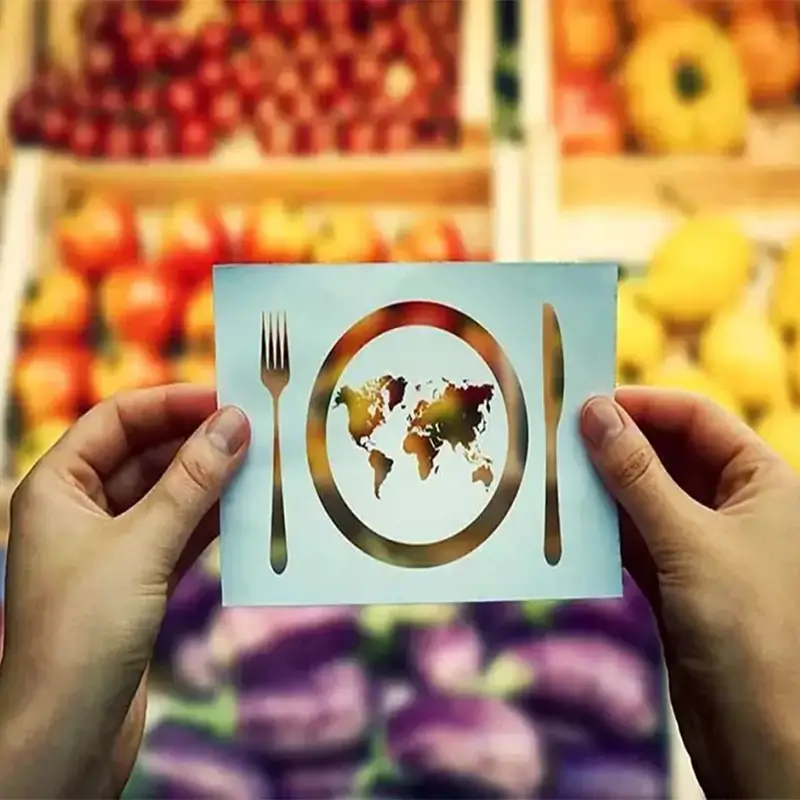
Examining the Food Security Crisis in Iran and Sustainable Solutions
Iran, as a country with diverse climates and abundant natural resources, has always had great potential for agricultural production. However, in recent years, due to declining water resources, climate change, and inefficiencies in the supply chain, it has faced serious food security crises. This crisis has not only affected the production of staple crops such as wheat, rice, pistachios, and saffron but has also posed challenges to ensuring access to healthy food and sustainable nutrition. Additionally, factors such as dependence on imports of key products, unfair pricing policies, and decreasing incentives for farmers have raised serious national concerns.
Key Challenges to Food Security in Iran
– Water Scarcity and Climate Change Impact
One of the most critical challenges Iran faces in achieving sustainable food security is water scarcity and climate change. According to the Food and Agriculture Organization (FAO) report in 2022, Iran, possessing 11 out of the 13 recognized climate zones globally, has significant capacity for agricultural production. However, declining rainfall and temperature fluctuations pose a serious threat to crop productivity. The Intergovernmental Panel on Climate Change (IPCC) has warned that global warming and reduced rainfall could decrease Iran’s agricultural productivity by up to 25% by 2050.
– Dr. Alireza Mohajer, Deputy Minister of Agriculture, states: “Given the impact of climate change on agricultural production, we must shift cultivation methods towards sustainable farming that is resilient to environmental stresses. This transition is impossible without investing in modern technologies.”
These climate changes have led to persistent droughts, particularly in arid and semi-arid regions of the country, reducing average rainfall and significantly depleting groundwater resources.
– Weaknesses in Supply Chain and Distribution
One of the major factors contributing to food waste and reduced agricultural efficiency is a lack of coordination within the agricultural supply chain. The misalignment between producers, distributors, intermediaries, and consumer markets has resulted in delayed and inaccurate information flow regarding supply and demand.
Research conducted at leading Iranian universities has shown that inefficiencies in the supply chain lead to the loss of up to 40% of agricultural products during harvesting, storage, and transportation. Moreover, an outdated transportation fleet and the lack of modern logistical technologies have escalated overall costs and reduced the quality of products reaching domestic and international markets.
– Dependence on Imports and Unfair Pricing
A major concern regarding food security is Iran’s heavy reliance on imports of essential products such as rice and edible oils. According to the Ministry of Agriculture, Iran consumes approximately 3 million tons of rice annually, while domestic production only reaches 2.2 million tons, increasing its dependency on imports and leading to economic and inflationary challenges.
Additionally, unfair pricing policies and declining profitability for farmers have reduced incentives for production and quality improvement. Factors such as high supply chain costs and insufficient government support have made it difficult for Iranian farmers to compete effectively in the market.
– Declining Diet Quality and Accessibility for Vulnerable Groups
Beyond production issues, the declining quality of dietary intake among certain households is another major concern for food security. Economic pressures, high inflation, and unemployment have limited access to high-quality food for low-income populations, forcing them to rely on cheaper, less nutritious food options. This shift in consumption patterns has severe public health implications and increases healthcare costs.
Strategic Agricultural Products and Their Role in Food Security
– Wheat and Rice
Iran ranks among the top ten wheat producers worldwide. However, declining water resources and climate change have significantly impacted its production. Furthermore, domestic rice production falls short of meeting national demand; according to the Ministry of Agriculture, Iran produces about 2.2 million tons of rice, increasing its reliance on imports.
– Dr. Masoud Latifi, a faculty member at the Agricultural Research Center, states: “Developing export markets for Iran’s strategic agricultural products such as wheat and rice presents a great opportunity for foreign exchange earnings. However, the lack of effective marketing strategies has set us back compared to competitors.”
– Pistachios and Saffron
As the world’s largest producer of saffron and a leading producer of pistachios, Iran plays a crucial role in global food security and agricultural exports. Nearly 90% of the world’s exported saffron comes from Iran. However, despite these achievements, challenges in storage and maintaining quality during export remain significant obstacles.
The implementation of modern cold storage technologies and refrigerated container transportation could help preserve product quality and enhance market competitiveness.
– Sugar Beet and Sugarcane
The production of sugar beet and sugarcane is another crucial agricultural segment in Iran, providing essential raw materials for the country’s sugar industry. However, the water crisis in provinces such as Khuzestan has led to reduced sugarcane production and increased dependence on sugar imports. Declining efficiency in these crops could result in severe economic consequences.
Climate Analysis and Its Impact on Food Security
– Climate Diversity and Its Effects on Production
With 11 out of the 13 recognized climate zones, Iran offers diverse conditions for cultivating various crops. However, this diversity also presents significant challenges. According to the National Center for Drought and Crisis Management, approximately 75% of Iran’s landmass is experiencing moderate to severe drought, which directly impacts agricultural productivity. The Iranian Meteorological Organization has reported that the country’s average rainfall has decreased by 15% over the past two decades.
– Dr. Sadegh Ziaian, Head of the National Forecasting Center of the Meteorological Organization, states: “The ongoing decline in rainfall poses a serious threat to the sustainable production of agricultural crops. Without proper water resource management, production stability will face a major crisis.”
– Impact of Climate Change on Production and Supply
Climate change has caused severe fluctuations in agricultural production, creating persistent challenges in ensuring food security. Reduced water resources and shifts in rainfall patterns, particularly in arid and semi-arid regions, have led to a decline in staple crop yields, increasing dependence on imports. These fluctuations negatively impact price stability and food accessibility within the country, highlighting the urgent need for innovative management strategies and investment in climate-resilient agricultural technologies.
Supply Chain Challenges and Distribution Infrastructure
– Inefficiencies in the Supply Chain
One of the most critical challenges affecting Iran’s agricultural sector is inefficiencies in the supply chain, which lead to increased waste and reduced productivity. A lack of coordination among producers, intermediaries, distributors, and consumer markets disrupts timely information flow regarding product availability and demand.
Academic research indicates that these supply chain inefficiencies can result in the loss of up to 40% of produced crops. This issue not only reduces farmers’ profitability but also significantly weakens the competitiveness of Iranian agricultural products in international markets.
– Weaknesses in Transportation and Storage Infrastructure
Underdeveloped transportation and storage infrastructure pose significant challenges to food distribution. An aging transportation fleet, a shortage of modern cold storage facilities, and insufficient refrigerated containers contribute to rapid post-harvest spoilage and increased logistical costs.
According to the Iranian Chamber of Commerce, the country requires between 1,500 to 2,000 refrigerated containers annually, whereas domestic production capacity ranges between 500 to 1,000 units. This imbalance, particularly in export logistics, reduces product quality and raises overall costs.
– Lack of Comprehensive Information and Management Systems
The absence of integrated information systems for supply chain management has hindered efficient decision-making in production planning, storage, and distribution. Establishing advanced data collection and analysis systems for market prices, product availability, and inventory can enhance coordination among stakeholders and reduce logistical costs.
Economic and Social Challenges Related to Food Security
– Dependence on Imports
Despite its high production capacity, Iran remains heavily reliant on imports for essential food items such as rice and cooking oil. Domestic production in these sectors, particularly given water shortages and climate change, has been insufficient, increasing import dependency and placing economic pressure on households and the national trade balance.
– Unfair Pricing and Declining Farmer Incentives
Issues related to agricultural product pricing have created significant food security challenges in Iran. Low market prices, coupled with high production costs and inefficiencies in the supply chain, have reduced farmers’ motivation to increase production, ultimately leading to lower quality and productivity.
This situation not only weakens domestic production but also limits access to high-quality food for lower-income groups, posing a serious threat to national food security.
– Reduced Access to Quality Food
Economic issues such as high inflation, unemployment, and declining household incomes have restricted access to nutritious, high-quality food for vulnerable populations. This shift has significant public health implications, increasing the financial burden on the healthcare system. Studies indicate that food insecurity among Iranian households ranges between 21% and 60%, highlighting a critical concern in ensuring access to nutritious food.
Opportunities and Proposed Solutions for Improving Food Security
– Investment in Modern Agricultural Technologies
A key strategy for addressing food security challenges is investing in advanced agricultural technologies. Digitalization, artificial intelligence, the Internet of Things (IoT), and water resource management systems can significantly improve productivity and minimize resource wastage. For example, implementing intelligent forecasting systems to monitor weather conditions and manage irrigation can help mitigate the impacts of climate change.
– Expanding Export Markets and Strengthening the Supply Chain
Increasing exports of strategic agricultural products such as pistachios, saffron, wheat, and rice can contribute to foreign exchange earnings and economic stability. Achieving this goal requires enhancing supply chain efficiency, improving transportation infrastructure, establishing cold storage facilities, and adopting advanced monitoring technologies.
– Dr. Mohammadreza Shabani, an expert in sustainable agriculture, asserts: “Successful agricultural models in Turkey and Spain demonstrate that leveraging modern technologies and effective water management are essential to achieving sustainable food security.”
– Government Support and Incentive Policies
Government support through financial aid, investment subsidies, and policy incentives plays a crucial role in boosting agricultural production and improving food security. Implementing fair pricing policies and establishing agricultural insurance programs can enhance farmers’ motivation to increase production and improve product quality.
– Development of Smart Greenhouses and Agro-Processing Industries
Investing in smart greenhouses, which enable precise environmental control and efficient water use, can reduce reliance on limited natural resources and enhance production efficiency. Additionally, developing agro-processing industries for food packaging and preservation can increase product value and minimize waste.
– Farmer Education and Knowledge Transfer
Implementing specialized training programs, practical workshops, and knowledge transfer initiatives from research centers to farming operations is essential for improving productivity and reducing waste. Enhancing farmers’ awareness and technical skills can enable the optimal use of modern technologies and smart management systems.
– Dr. Leila Azadbakht, a professor of nutrition at Tehran University of Medical Sciences, emphasizes: “Focusing on dietary quality and implementing food enrichment policies are crucial for improving national food security.”
– Establishing Smart Monitoring and Oversight Systems
Developing comprehensive monitoring systems for production, storage, transportation, and market trends can facilitate timely and effective supply chain management. These systems provide real-time data, enabling smart decision-making and reducing managerial inefficiencies, ultimately improving overall system performance.
Comparison with Successful Countries and Future Outlook
– Successful Countries’ Experience in Food Security
Countries like Turkey and Spain have significantly increased agricultural productivity by investing in modern technologies and developing logistical infrastructure. Turkey has doubled its agricultural efficiency through advanced transportation networks and smart irrigation systems. Spain has also reduced its dependency on natural resources by implementing sustainable agriculture programs and improving water management.
– Dr. Mohammadreza Shabani, an expert in sustainable agriculture, states: “Successful models like Turkey and Spain demonstrate that investing in advanced technologies and developing smart supply chains are key to achieving sustainable food security.”
– Future Outlook for Food Security in Iran
Comprehensive national food security programs, developed by Iran’s Planning and Budget Organization, aim to increase productivity and reduce import dependency by 2026. Key initiatives include investing in smart greenhouses, expanding digital technologies in agriculture, and improving information systems, all of which are crucial for achieving sustainable production and ensuring high-quality food supply.
Additionally, expanding export markets for strategic products such as saffron, pistachios, dates, and dried fruits can enhance Iran’s share in global markets and increase foreign exchange earnings.
– Dr. Alireza Rafieipour, Head of the Veterinary Organization, emphasizes: “Investing in sustainable agricultural and livestock sectors not only ensures food security but also boosts exports and generates foreign revenue for the country.”
Economic Analysis and Social Impacts of the Food Security Crisis
– Economic Effects
Declining agricultural productivity due to water resource challenges and supply chain inefficiencies has increased production costs and reduced profitability. Additionally, reliance on imported staple foods has strained the country’s trade balance and contributed to inflation. Economic analyses indicate that improving logistical infrastructure and adopting modern technologies could reduce production costs by up to 20% and significantly boost productivity.
– Social Consequences
Beyond its economic impact, the food security crisis also has major social implications. Reduced access to healthy and nutritious food for low-income households, increased household food insecurity, and the rise of nutrition-related health issues are among the negative consequences. Studies indicate that food insecurity prevalence among Iranian households ranges from 21% to 60%, highlighting a critical challenge in ensuring sufficient and high-quality food supply.
– The Need for Institutional Collaboration
Addressing the food security crisis requires coordinated efforts between the government, research institutions, private sector, and civil society. Implementing aligned policies in water resource management, supply chain improvement, and smart monitoring systems can create the necessary foundations for sustainable production and healthy food supply. Additionally, knowledge transfer from research centers to practical implementation and fostering communication networks among all stakeholders play a crucial role in building an integrated and efficient system.
Proposed Solutions for Food Security Transformation
– Investing in Modern Agricultural Technologies
Utilizing digital technologies, artificial intelligence, and the Internet of Things (IoT) in water resource and supply chain management can enhance production efficiency. Deploying advanced monitoring systems for weather tracking and optimized irrigation management plays a crucial role in reducing resource waste and improving product quality.
– Developing Logistical Infrastructure and Information Systems
Establishing modern rail and road transport infrastructure, constructing cold storage facilities, and expanding comprehensive information systems for supply chain management are essential steps toward improving logistical performance and reducing production costs. These efforts, coordinated between government entities and the private sector, ensure timely product distribution and quality preservation.
– Government Support and Policy Incentives
Implementing supportive policies for farmers through financial aid, investment subsidies, and agricultural insurance programs can boost production incentives and close gaps in the supply chain. By developing fair pricing strategies and supporting technology-driven startups, the government can foster sustainable growth in the agricultural sector.
– Education and Knowledge Transfer to Farmers
Establishing specialized training programs, hosting practical workshops, and transferring research-based knowledge to farmers can enhance technical skills and productivity. Increased awareness and technical expertise in utilizing modern technologies will reduce waste and improve overall agricultural efficiency.
– Strengthening Export Markets and Developing Smart Supply Chains
By improving production standards, packaging techniques, and creating an integrated distribution network, Iran can increase its share in international markets. Leveraging smart supply chain management technologies plays a critical role in reducing transportation time, maintaining product quality, and enhancing competitiveness. Expanding export markets for strategic products such as saffron, pistachios, wheat, and rice presents significant economic growth and foreign exchange opportunities.
Economic Analysis and Long-Term Implications
Economic studies show that investing in improved logistical infrastructure and advanced technologies can reduce production costs by up to 25% and significantly increase agricultural productivity. These improvements enhance farmers’ profitability, decrease import dependency, and boost export revenues.
In the long run, creating an integrated and efficient system for water resource and supply chain management lays the foundation for sustainable food security, price stability, and improved livelihoods.
The Role of VASTRA Holding in Food Security Transformation
In the field of food security, VASTRA Holding plays a key role in transforming Iran’s agricultural sector through strategic investment and support for technology-driven innovation. By providing financial resources, expert consultation, and establishing networks between universities, research centers, and technology companies, VASTRA Holding contributes to supply chain improvement and waste reduction.
Through initiatives such as supporting agricultural digitalization, developing smart monitoring systems, and enhancing logistical infrastructure, VASTRA ensures the timely delivery of high-quality products while increasing Iran’s presence in global markets. In essence, close collaboration between VASTRA Holding, governmental bodies, and the private sector can drive the development of a sustainable, knowledge-based food security model, ensuring both a stable and nutritious food supply for the population and economic growth for the country.
Conclusion
Iran’s food security challenges—including water scarcity, climate change, supply chain inefficiencies, and import dependency—have significantly affected sustainable production and nutrition security. Reports from reputable sources such as FAO and IPCC indicate that, without immediate action, agricultural productivity could decline substantially in the coming years.
Expert opinions from Dr. Alireza Mohajer, Dr. Masoud Latifi, Dr. Sadegh Ziaian, and Dr. Leila Azadbakht emphasize the importance of investing in modern technologies, improving logistical infrastructure, and implementing supportive policies to achieve sustainable food security.
Proposed solutions include expanding digital technologies in agriculture, enhancing information systems, increasing governmental support, modernizing transportation infrastructure, and transferring knowledge to farmers. These measures collectively create a positive economic cycle, ensuring food security, reducing import dependency, and increasing agricultural exports.
Ultimately, integrating indigenous knowledge with advanced technologies, policy support, and collaboration among all stakeholders provides the foundation for establishing a successful and sustainable food production and distribution model. This model not only meets domestic needs but also positions Iran as a competitive exporter in global markets.
Accordingly, VASTRA Holding’s strategic investments and support for technology-driven innovation play a crucial role in enhancing agricultural supply chains and, consequently, strengthening food security and sustainable nutrition in the country. This synergy between local expertise, cutting-edge technology, and financial and technical support creates a promising outlook for the future of food security in Iran.