
Recycling of Agricultural Waste into Value-Added Resources
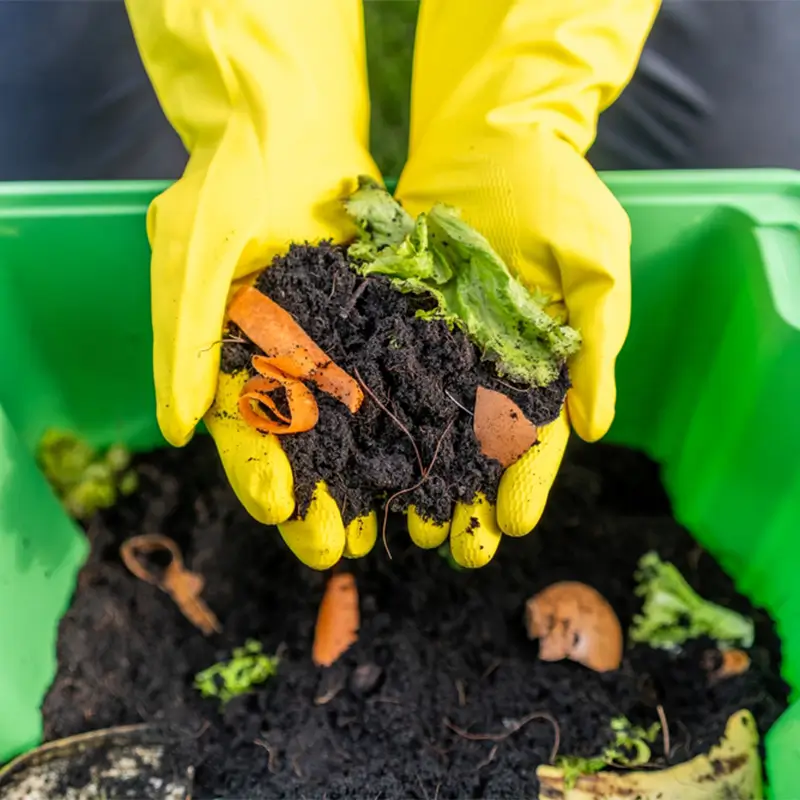
Recycling of Agricultural and Food Industry Waste: From Trash to Added Value
The recycling of agricultural and food industry waste is considered one of the key topics in achieving sustainable development, natural resource efficiency, and environmental preservation. With the growing population and rapid expansion of the food and agricultural industries, a significant amount of waste is generated in these sectors which, if not properly managed, can lead to soil, water, and air pollution as well as the loss of valuable resources.
In recent years, modern technologies in the field of waste recycling have rapidly evolved. By leveraging up-to-date global knowledge, it has become possible to transform waste into valuable resources, renewable energy, and industrial raw materials. This process is not only environmentally beneficial but also can serve as a profitable business model in the food and agricultural industries.
The Importance of Recycling in the Agricultural and Food Value Chain
Recycling refers to the process in which waste generated from agricultural and food industry activities is removed from the consumption cycle and repurposed as raw materials for producing new products. This process not only reduces the pressure on the environment but also decreases the economic costs associated with waste disposal.
Environmentally, recycling helps to conserve natural resources and, by reducing the production of greenhouse gases from waste decomposition, plays a vital role in combating climate change. Economically, by establishing a sustainable value chain and reducing production costs, higher efficiency can be achieved in agricultural systems.
According to international reports, the amount of waste produced in the agricultural sector ranges from 10% to 50% of total production, underscoring the importance of implementing recycling strategies in this area.
Modern Technologies in Waste Recycling
Over the past two decades, modern technologies in waste recycling have brought about significant transformations. From advanced anaerobic digestion technology for biogas production to automated systems for extracting nutrients from organic waste, each plays an important role in reducing waste and increasing efficiency.
One of the key methods of converting waste into valuable resources is the anaerobic digestion process, which utilizes specific microorganisms to convert organic waste into biogas. This biogas can be used as a source of renewable energy in various economic sectors.
In addition, converting organic waste into compost improves the quality and fertility of agricultural soils. Nutrient extraction technology also enables the separation of key elements such as nitrogen and phosphorus from waste, which is widely used in the production of organic fertilizers.
Furthermore, the application of biotechnological methods in producing feed for livestock and poultry from agricultural waste significantly reduces production costs and increases efficiency in this sector. Overall, these technologies not only reduce waste but also lead to the production of high added-value products.
Biogas Production as a Source of Renewable Energy
The process of producing biogas from organic waste is one of the significant advancements in the field of renewable energy. In this process, organic waste is converted through anaerobic digestion into methane and carbon dioxide, which, depending on technical and economic conditions, can be used as an energy source.
Utilizing biogas in heating systems, electrical systems, and even in transportation industries has the potential to establish a sustainable economy and reduce dependence on fossil fuels. Environmentally, replacing fossil fuels with biogas helps to lower greenhouse gas emissions and reduce air pollution.
In addition to its environmental benefits, biogas production plays an important role in reducing energy costs and creating jobs in sectors related to the production and distribution of this energy. Reports by international organizations indicate that in some countries, the use of biogas can supply several percent of regional energy needs.
From an economic perspective, biogas production, as a process based on the utilization of otherwise unusable waste, creates new investment opportunities and contributes to the development of a circular economy.
The Process of Compost Production from Agricultural Waste
Converting organic waste into compost is one of the efficient methods for recycling agricultural waste, which, besides reducing waste, also enhances the quality of arable soils. The compost produced through this process creates soil rich in nutrients and organic matter, thereby increasing fertility and improving soil structure.
The composting process involves several important steps, including shredding, mixing various wastes, microbial digestion, and curing of the final product. In this process, controlling temperature, moisture, and aeration is crucial to ensure complete decomposition.
The use of compost in farms leads to a reduction in the consumption of chemical fertilizers and improves the nutrient cycle in the soil. Moreover, this process can help reduce greenhouse gas emissions from waste decomposition and lessen the need for landfilling.
Various reports from reputable organizations such as the FAO and EPA indicate that using compost can significantly enhance the quality of agricultural products while reducing production costs.
Nutrient Extraction from Waste and Its Role in Organic Fertilizer Production
Nutrient extraction from organic waste is one of the modern technologies in the recycling sector that results in the separation of essential elements such as nitrogen, phosphorus, and potassium. These components, which are the main ingredients in organic fertilizer production, can serve as a suitable alternative to chemical fertilizers in agriculture.
The extraction process typically includes pretreatment, enzymatic digestion, and physical separation. New technologies, utilizing modern methods such as electrolysis and biotechnological processes, have significantly increased the recovery of nutrients.
This approach not only reduces fertilizer production costs but also decreases the environmental impact of excessive chemical fertilizer use and boosts agricultural productivity. In many countries, successful pilot projects in this area have attracted the attention of international organizations.
Utilizing modern extraction technologies paves the way for establishing a sustainable economic cycle in which waste is recognized as the primary source for producing valuable materials.
Added Value in Feed Production and Reduction of Feeding Costs
Recycling some agricultural waste for the production of livestock and poultry feed is another successful strategy for reducing waste and creating added value. In this process, the by-products from agricultural processing, after refinement and quality improvement, are used as a nutrient-rich source for animal feed.
Producing feed from waste can help reduce feeding costs for livestock and increase the efficiency of animal husbandry systems. Moreover, this method plays a significant role in reducing pressure on natural resources and lowering environmental pollution.
By employing advanced technologies in processing and improving the quality of the produced feed, it can be ensured that the nutritional value of these products meets health and dietary standards. As a result, the livestock industry will benefit from considerable economic and environmental advantages.
Furthermore, producing feed from agricultural waste creates opportunities for new jobs in processing and distribution sectors, playing an important role in the development of a circular economy.
Biotechnological Technologies in Waste Recycling
– The Use of Microorganisms and Enzymes in Waste Decomposition
Biotechnological technologies are among the advanced fields in waste recycling. The use of microorganisms, enzymes, and biotechnological processes to decompose waste into value-added products is one of the latest achievements in this field.
In this method, various beneficial bacteria and fungi are employed that can break down organic waste into simpler molecules and eventually produce new products such as organic acids, enzymes, and bioactive compounds. These products can be applied in the food, pharmaceutical, and agricultural industries.
One of the main advantages of this technology is the reduction in processing time and costs compared to traditional methods, as well as increased efficiency in converting waste into valuable resources. Additionally, this technology significantly helps reduce the negative environmental impacts associated with landfilling or incinerating waste.
Utilizing biotechnological technologies, as a key solution within the circular economy cycle, leads to increased productivity and creates investment opportunities in sectors related to bioprocessing.
Challenges and Practical Solutions in the Development of Recycling Systems
– Implementation Barriers and Innovative Solutions
Although modern waste recycling technologies have made remarkable progress in recent years, numerous challenges still exist in the effective and proper implementation of these systems. These challenges include the lack of coordination between governmental and private sectors, insufficient technical infrastructure, issues related to initial costs, and cultural resistance to adopting new methods.
To overcome these barriers, it is essential to formulate comprehensive policies, establish financial incentives, strengthen research and technology development, and improve management processes in the related sectors. Collaboration among universities, research centers, and the relevant industries can lead to innovative solutions and enhance the implementation of recycling projects.
On the other hand, raising public awareness and training specialized personnel in the field of waste recycling is of paramount importance. Organizing workshops, training courses, and creating successful models are measures that can boost investment incentives and the implementation of innovative projects in this area.
By fostering collaboration between the public and private sectors and providing supportive policies, it becomes possible to overcome existing technical and economic barriers, greatly contributing to the sustainable development of waste recycling systems.
Analysis of Agricultural and Food Industry Waste
Statistics published by international organizations and reputable institutions indicate that waste production in the agricultural and food sectors is significantly high. According to the United Nations Food and Agriculture Organization (FAO), approximately 1.3 billion tons of food are removed from the consumption cycle annually, which is equivalent to one-third of the world’s total food production.
Additionally, the United States Environmental Protection Agency (EPA) has released reports on the environmental impacts of food waste, showing that this waste accounts for about 8% of total global greenhouse gas emissions. Moreover, economic studies emphasize that food waste imposes an annual cost of approximately 935 billion dollars on the global economy.
These statistics highlight the necessity of focusing on recycling processes and converting waste into valuable resources. Employing modern technologies in this field can lead to a significant reduction in these figures and the creation of high added value.
– Dr. James Smith: “Recycling agricultural waste not only helps reduce environmental pollution, but it can also provide new sources of energy and nutrients for society.”
– Dr. Sara Johnson: “Modern biotechnological technologies enable the conversion of agricultural waste into value-added products and can contribute to sustainable development in the agricultural sector.”
Other documented sources, including reports from popscijournal.ir and jahaneshimi.com, have also highlighted the importance of utilizing modern technologies to reduce agricultural waste and create added value in this sector. These sources offer comprehensive insights into global waste recycling trends that can guide strategic decision-making in this field.
Based on these statistics and reputable sources, it can be stated that investment in waste recycling technologies is not only environmentally beneficial but also is considered one of the key solutions for increasing efficiency and creating sustainable employment.
Policies and the Role of Investment in the Development of Waste Recycling
The successful implementation of waste recycling systems requires close collaboration between the public and private sectors. Strategic policymaking and financial support from the government pave the way for launching innovative projects in the recycling field. Establishing venture capital funds and participating in technology-driven projects are among the measures that can accelerate this process.
The development of technical infrastructure, the establishment of research and laboratory centers, and providing financial incentives to businesses active in recycling can speed up the adoption of modern technologies and reduce implementation barriers. On the other hand, formulating clear regulations and standards regarding the use of recycled waste plays an important role in ensuring the quality and safety of the final products.
Investment in this field not only creates added value within the food and agricultural industries but also opens up opportunities for job creation and economic development in rural areas. Successful global experiences show that leading countries in recycling have achieved high efficiency in utilizing waste resources by adopting supportive policies and attracting investment.
In this regard, establishing coherent legal frameworks and strengthening collaboration among universities, research centers, and the industrial sector are considered key factors in the success of waste recycling systems.
Future Prospects in the Development of Agricultural and Food Waste Recycling
– Horizons of Sustainable Development and Final Recommendations
Based on extensive research, recycling agricultural and food waste is not only an environmental necessity but also an economic opportunity and investment for sustainable development. The use of modern technologies in this field enables the transformation of waste into valuable resources, renewable energy, and industrial raw materials, thereby establishing a circular economic cycle.
The future outlook in this area involves expanding the application of advanced technologies, increasing interactions between public and private sectors, and leveraging successful international experiences. Focusing on training specialized personnel, strengthening research infrastructure, and encouraging innovation are among the measures that can lead to the flourishing of this sector in the coming years.
Ultimately, recognizing the environmental and economic potentials of recycling agricultural waste can play an important role in establishing a sustainable economy, reducing environmental pollution, and enhancing the quality of life in both urban and rural communities. With the formulation of supportive policies, attracting investment, and raising public awareness, effective steps can be taken toward the optimal utilization of waste resources.
The development of this field requires extensive collaboration among governmental bodies, the private sector, and the academic community. Successful experiences in advanced countries demonstrate that with appropriate infrastructure and the use of modern technologies, waste can be transformed into profitable and productive resources. Therefore, investment in waste recycling, in addition to its environmental benefits, is recognized as one of the key strategies for developing a resilient and sustainable economy.
In the long run, the prospects for the development of waste recycling in the food and agricultural industries are very promising and can pave the way for significant transformations in the economic structure of countries. Utilizing modern technologies and harnessing local potentials will reduce dependency on foreign resources and increase added value in the value chain.
Thus, formulating comprehensive and well-documented strategies and creating the necessary frameworks for research and development in this field can be a key factor in the sustainable development of the country’s food and agricultural industries. Additionally, establishing collaborative platforms among universities, research centers, and related industries plays an important role in technology transfer and enhancing the efficiency of recycling systems.
Finally, emphasizing the role of waste recycling in creating sustainable employment, reducing production costs, and improving the quality of agricultural products further underscores the importance of this field. With support for innovative projects and the establishment of coherent legal frameworks, the realization of a green and circular economy can be achieved.