

Recycled Fertilizer: Partial P Replacement, Iran
Recycled fertilizers from ash, digestate, and biowaste matter for Iranian agriculture when P₂O₅, cadmium, pathogens, feedstock origin, and impurities are controlled, letting them reliably take part of mineral phosphate’s role.

Zeolite Biocarrier to Cut Farm Soil N Leaching
Zeolite and modified nanoclays become reliable biocarriers when microbial persistence, lower nitrogen leaching, pollution control, and field performance are measured together and matched to the target soil and irrigation and fertilization regime.
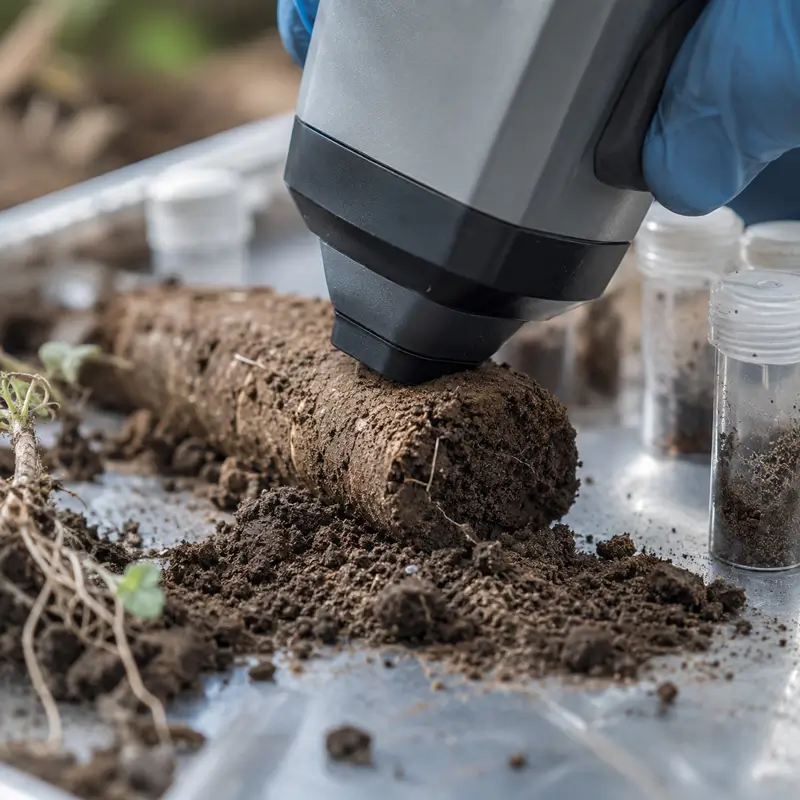
Soil Health Index: NIR, Metabarcoding, SOC MRV
The soil health index becomes practical when NIR spectroscopy, metabarcoding, SOC, pH, and EC are integrated in one model, sharpening bio-input prescriptions, salinity monitoring, data quality control, and organic carbon MRV.
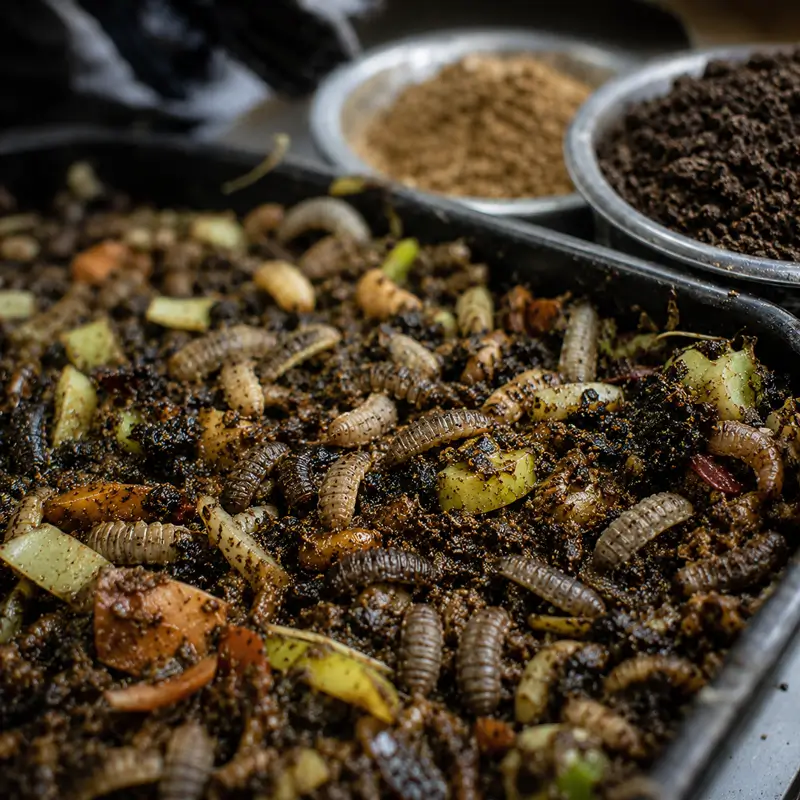
BSF Larvae for Protein Feed, Organic Fertilizer
By turning produce and fishery waste into larval meal, oil, and frass, black soldier fly larvae offer a measurable path to cut waste, produce alternative feed, manage safety risks, and strengthen soil in a circular farm economy.
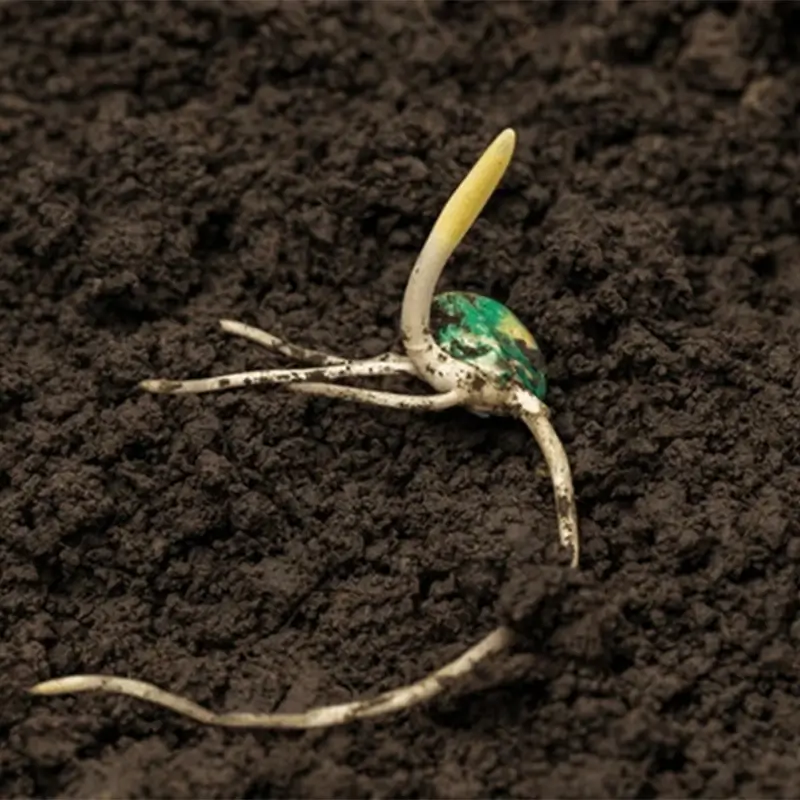
Advanced Hydrocolloid Coating to Enhance Seed Resilience
The application of hydrocolloid coatings, through the formation of permeable films and controlled nutrient release, enhances seed resistance to drought and soil salinity.
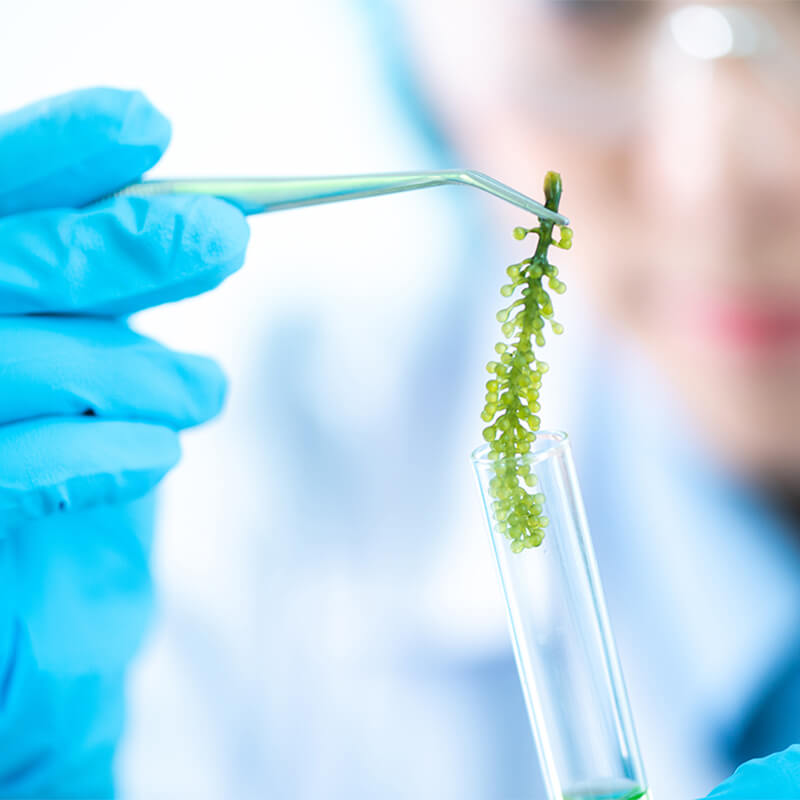
A Sustainable Alternative to Environmental Pollution: Bioplastics
Bioplastics, as an innovative solution in agriculture, are derived from renewable resources. They help reduce pollution, improve soil and water performance, and contribute to greater environmental sustainability—driving a transformative shift across the sector.
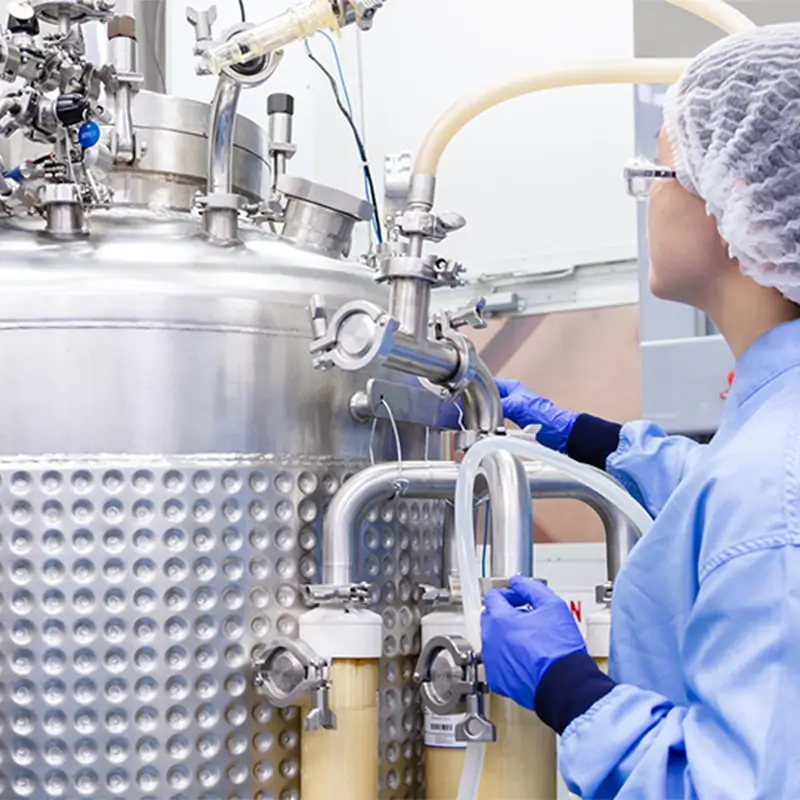
Soil Structure Enhancement via Solid-State Fermentation
Transforming agri-waste into bio-inputs through solid-state fermentation to improve soil structure, nutrient uptake, and sustainable crop growth.
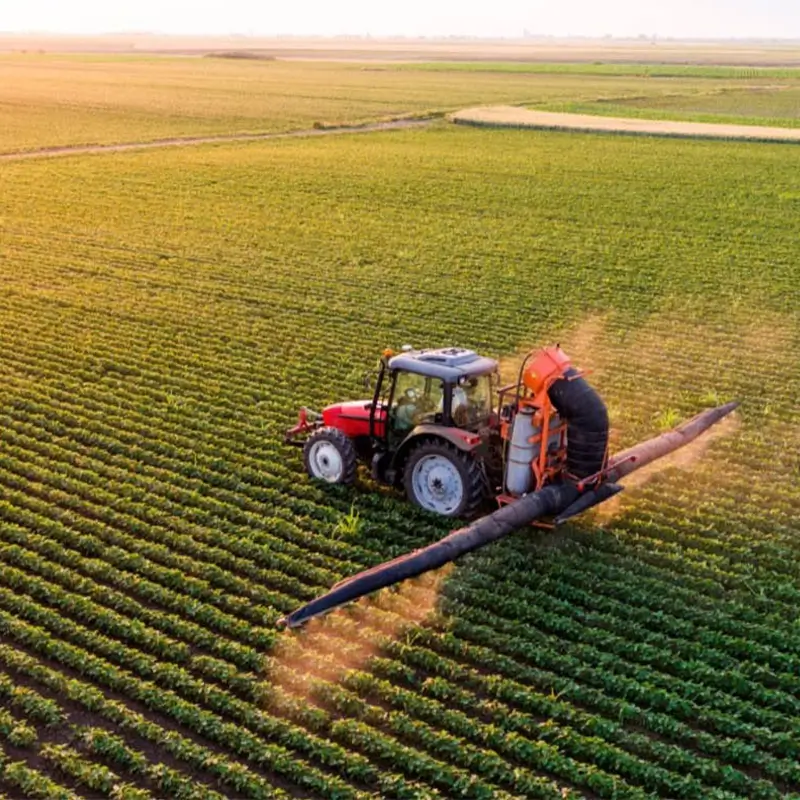
Innovative Circular Agriculture for Enhanced Resource Efficiency
Modern circular agriculture methods improve efficiency by recovering nutrients and optimizing the use of water and soil. These practices reduce waste, preserve natural resources, and contribute to environmental sustainability.
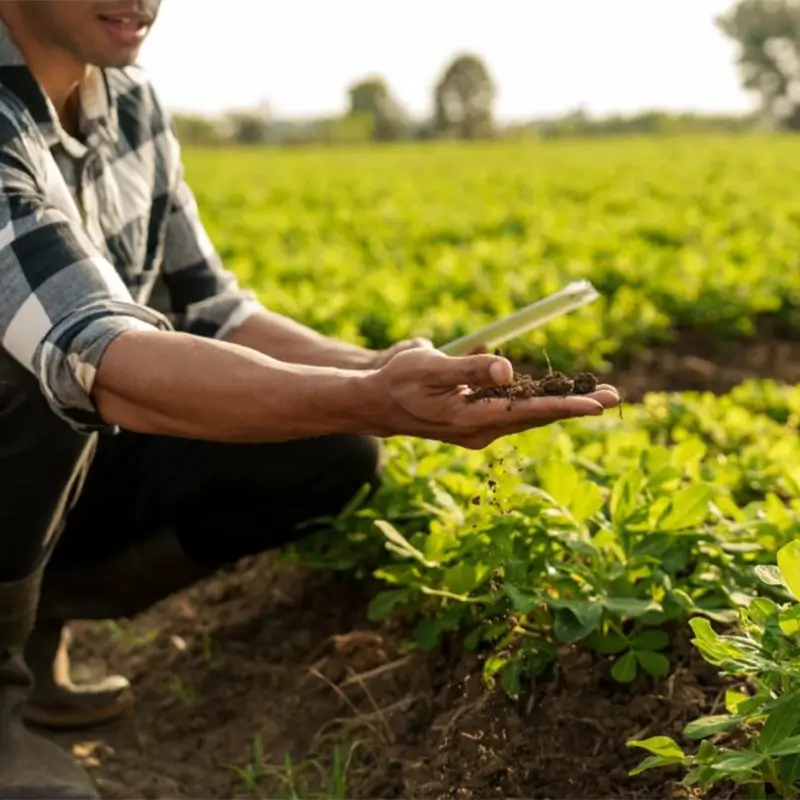
Boosting Carbon Capture with Regenerative Agriculture
The regenerative method, using cover crops and crop rotation, improves soil structure, increases yield, enhances biodiversity, and boosts atmospheric carbon capture.
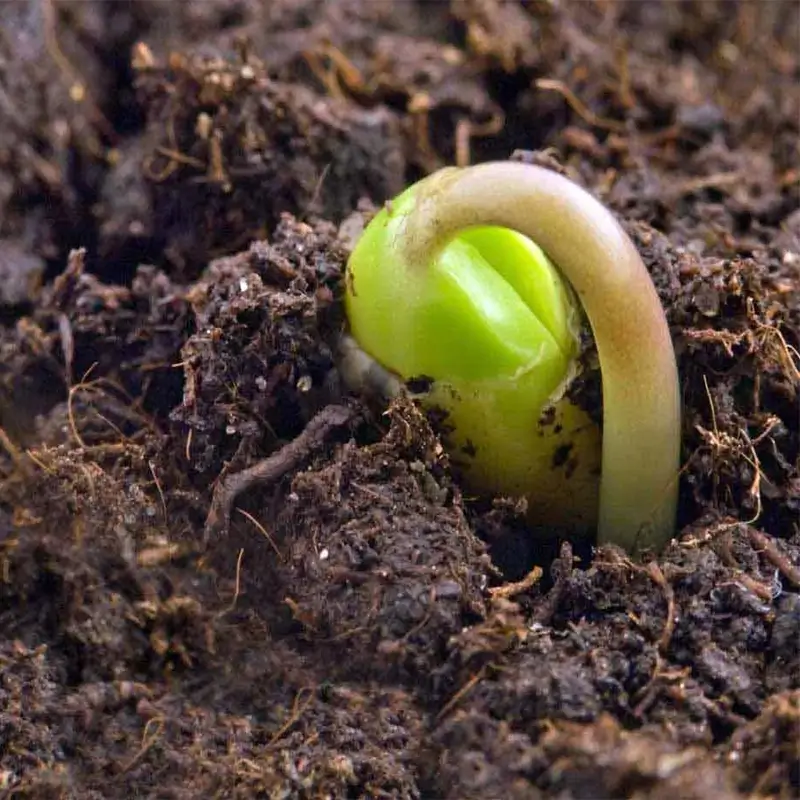
What is Probiotic Agriculture and Its Benefits?
Probiotic agriculture, using beneficial microorganisms, strengthens soil structure, boosts plant growth, and significantly reduces chemical fertilizer use.