
Biofilm Tech in Sustainable Crop Growth
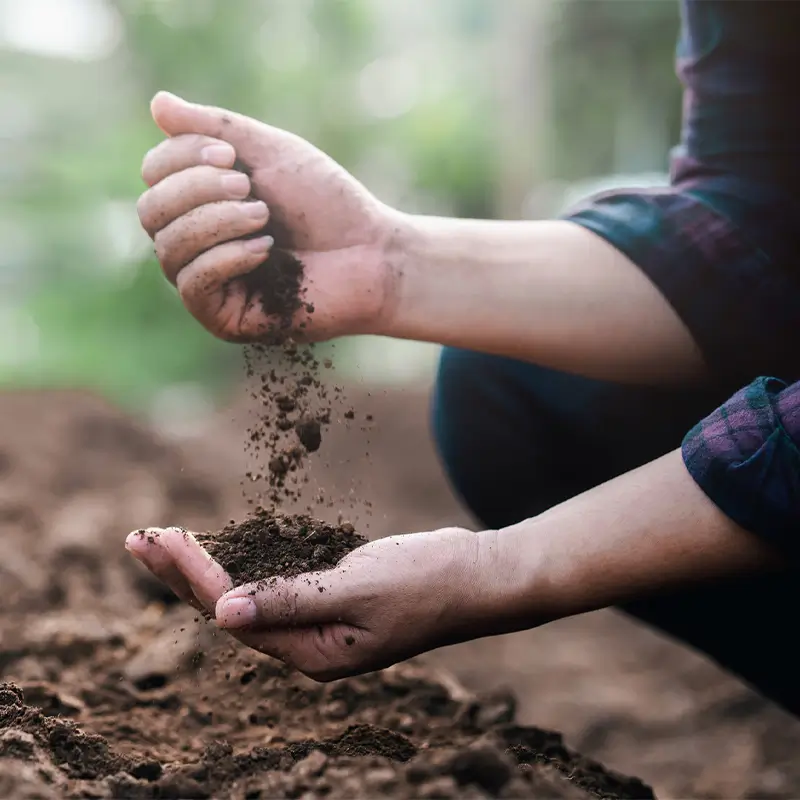
Biofilm Technology in Agriculture: A Sustainable Approach to Enhancing Plant Growth and Increasing Productivity
In today’s competitive landscape, sustainable agriculture and the use of modern technologies are of utmost importance; biofilms, as one of these innovations, harness beneficial microorganisms to create new opportunities in soil health and nutrient uptake. Given the growing environmental concerns caused by the excessive use of chemical fertilizers and pesticides, microbial biofilms have been introduced as a novel, eco-friendly solution.
Definition of Biofilm and Its Application in Agriculture
Biofilms are complex structures composed of microorganisms such as bacteria, fungi, and other living organisms that are interconnected and surrounded by an extracellular matrix. These structures enable the microorganisms to work collectively in various environments and to withstand adverse conditions. Historically, natural biofilm systems have functioned as self-regulatory mechanisms in ecosystems; today, scientists and agricultural engineers are increasingly focusing on this phenomenon and striving to utilize it in agricultural systems.
Biofilms consist of microbial cells embedded in a molecular matrix rich in polysaccharides, proteins, and extracellular DNA. This matrix not only provides favorable conditions for survival but also plays a vital role in nutrient exchange, signaling, and protecting microorganisms against stress factors. Therefore, leveraging these natural systems in agriculture can help improve soil quality, enhance nutrient uptake by plants, and build resistance against diseases.
The application of biofilms in agriculture can be examined from several perspectives: on one hand, this technology improves soil structure and increases water retention; on the other hand, the microbial activities within the biofilms lead to the production of growth hormones and enhanced enzymatic activity in plant roots, ultimately resulting in optimal growth and higher crop productivity.
Preliminary experiences in several advanced countries have shown that using biofilms in hydroponic systems and organic farming can serve as an effective tool for increasing agricultural productivity and reducing the costs of chemical inputs. This approach is especially significant in regions with limited water resources and poor soils.
The Impact of Biological Biofilms on Plant Growth and Development
Multiple scientific studies have examined the positive impact of microbial biofilms on plant growth. The use of this technology not only strengthens root development and enhances nutrient uptake but also improves the physiological functions of plants, helping them withstand environmental stresses.
– The Role of Biofilms in Enhancing Plant Growth
In a study published in 2019, it was observed that inoculating plants with bacterial biofilms resulted in a 20 to 25 percent increase in root growth and a 15 to 18 percent increase in the growth of the aerial parts. This growth enhancement is attributed to the biological activities of the microorganisms in the biofilm, including the production of growth hormones such as auxin and gibberellins.
– Dr. Maria Rodriguez: “Microbial biofilms can act as natural growth enhancers and reduce the need for chemical fertilizers.”
Furthermore, biofilm structures can create a favorable environment for improved gas exchange and microclimatic conditions. This leads to enhanced photosynthetic processes and increased production of plant gum. Additionally, the presence of beneficial microorganisms in biofilms helps reduce competition for nutrient uptake among plants and other organisms, thereby improving the overall efficiency of the agricultural system.
Numerous laboratory and field studies have reported that the direct use of microbial biofilms results in increased crop yields and improved plant growth indices. These findings underscore the importance of this technology in establishing a sustainable and efficient agricultural system.
Based on the results obtained, researchers believe that the strategic application of biofilms can lead to increased agricultural productivity and reduced production costs—a factor that could play a key role in feeding the world’s growing population in the future.
Reducing the Need for Chemical Fertilizers and Enhancing Nutrient Uptake Through Biofilms
One of the fundamental issues in modern agriculture is the over-reliance on chemical fertilizers, which, besides high costs, contribute to soil and water pollution. The use of microbial biofilms as a sustainable and efficient alternative has attracted the attention of many researchers and agricultural experts.
– The Role of Biofilms in Enhancing Nutrient Uptake
Studies conducted at the International Food Policy Research Institute (IFPRI) have shown that using microbial biofilms can reduce the consumption of nitrogen fertilizers by up to about 30 percent. This is due to microbial activities that convert organic matter into forms readily absorbable by plants, thereby improving nutrient utilization efficiency.
– Dr. John Smith: “The use of microbial biofilms not only improves nutrient uptake efficiency but can also lead to a reduction in environmental pollution caused by excessive chemical fertilizer use.”
This innovative technology enables farmers to reduce production costs by lowering chemical fertilizer usage while simultaneously helping to preserve and improve soil quality. Moreover, enhanced nutrient uptake results in better plant growth and higher overall crop yields.
In some field trials, the use of biofilms alongside organic fertilizers has led to a 15 to 20 percent increase in nutrient uptake and improved plant growth indices. These results indicate that combining modern technologies with natural inputs can provide a viable solution to the major challenges of modern agriculture.
Additionally, reducing the need for chemical fertilizers helps preserve soil biodiversity and decrease the influx of chemicals into the food chain—an issue of particular importance from both public health and environmental perspectives.
The Impact of Biofilms on Reducing Water Consumption in Agriculture and Enhancing Environmental Sustainability
Water is one of the vital resources for agriculture, and its proper management in arid and semi-arid regions is of utmost importance. By improving soil structure and increasing water retention capacity, biofilms can play a significant role in reducing water consumption and enhancing environmental sustainability.
The United States Environmental Protection Agency (EPA) has reported that using biofilm-based techniques can reduce water consumption by approximately 20 to 25 percent. This reduction is achieved through increased soil moisture retention and reduced water evaporation from the soil surface.
– Dr. Sara Johnson: “Biofilms can serve as an effective solution for water resource management in agriculture.”
By employing this technology, farmers can achieve optimal crop performance even under water-scarce conditions. The enhanced water retention in the soil also improves soil structure and boosts microbial activity, which ultimately supports better plant growth.
Using biofilms in drip irrigation and hydroponic systems not only reduces water consumption but also increases the efficiency of water use and lowers ongoing production costs. This is particularly important in regions where climate change and drought are major concerns.
Enhancing environmental sustainability and reducing water resource consumption are key goals of sustainable agriculture, and these can be readily achieved through modern technologies such as biofilms. Optimized water usage not only boosts crop yields but also plays a fundamental role in protecting the environment and mitigating the negative effects of climate change.
Using Biofilms in Combating Plant Diseases and Pests
One of the primary challenges in agriculture is combating plant diseases and pests, which can lead to significant production losses and reduced product quality. In this regard, microbial biofilms are recognized as biocontrol agents capable of acting against fungal and bacterial diseases as well as pests.
– Biofilms as Biocontrol Agents
Microbial biofilms produce antimicrobial compounds, cell wall–degrading enzymes, and create a competitive environment for the growth of harmful organisms, thereby serving as controlling agents against diseases and pests in agriculture. Studies have shown that the use of appropriate biofilms can reduce the incidence of fungal diseases by up to about 40 percent.
– Dr. Lisa Wang: “Microbial biofilms can be used as an efficient tool in managing plant diseases.”
This method not only helps reduce the use of chemical pesticides but also minimizes the negative environmental impacts caused by chemical pollutants. In organic farming systems, biofilms can serve as a natural and effective solution for controlling pests and diseases.
Moreover, reducing environmental pollution from chemical pesticides improves water and soil quality and helps protect the health of people and wildlife around farms. Along with enhanced crop productivity, these are considered long-term benefits of using biofilms.
Based on successful experiences in European and Latin American countries, using microbial biofilms to combat pests and plant diseases has yielded remarkable results as part of an integrated pest management approach.
Comparison of Different Methods of Applying Biofilms in Traditional and Modern Agriculture
Throughout agricultural history, the use of natural methods to maintain soil and plant health has been of paramount importance. In traditional agriculture, indigenous techniques and the intergenerational transfer of knowledge regarding the use of microorganisms have always been prevalent; however, with the advent of modern technologies, standardized and optimized methods for using biofilms have emerged.
Traditional methods were generally based on experience and local knowledge, using natural processes to strengthen the soil; whereas modern agriculture, with the aid of scientific research and advanced technologies, allows for more precise control of environmental conditions and standardization of biofilm performance. For example, in hydroponic and controlled-environment agriculture systems, microbial biofilms are employed in a fully organized and predictable manner.
Research by the Organization for Economic Co-operation and Development (OECD) has shown that integrating biofilm technology into modern agricultural systems can increase crop productivity by approximately 35 to 40 percent. These findings indicate that combining up-to-date scientific knowledge with traditional methods leads to more efficient and sustainable agricultural systems.
– Dr. Alexander Kowalf: “Integrating biofilm technology into modern agricultural systems can lead to improved efficiency and sustainability.”
Consequently, the modern approach to using biofilms not only offers greater performance benefits but also allows for more precise monitoring and control of microbial growth conditions. Meanwhile, traditional experiences can still serve as a source of inspiration and indigenous knowledge in developing new solutions.
This convergence of traditional knowledge and modern technology can be presented as a successful model for sustainable agriculture development—an approach that, by combining past experiences with contemporary scientific achievements, paves the way for transformation in production systems and increased global productivity.
Challenges and Limitations in the Development of Biofilm Technology in Agriculture
Despite the numerous advantages of biofilm technology, there are challenges and limitations in its development and widespread application. These challenges can be examined from technical, economic, and social perspectives.
Developing new technologies in the field of biofilms requires significant investments in research and development, the establishment of advanced laboratories, and the employment of experienced specialists in agricultural microbiology. Additionally, educating and transferring knowledge to farmers is one of the most critical challenges. Many traditional farmers, due to unfamiliarity with modern technologies, refrain from adopting these innovations.
The World Bank has emphasized in a report that for the widespread adoption of biofilm technologies, improvements in educational, research, and production infrastructures are necessary. High costs associated with the production and maintenance of biofilms, as well as the need for standardization and quality control, are among the issues that must be addressed in the development of this technology.
– Dr. Michael Brown: “The development and adoption of new technologies such as biofilms require investments in education and infrastructure.”
Furthermore, establishing coordination among governmental bodies, research institutions, and the private sector for technology transfer and farmer support is another significant challenge. Without intersectoral collaboration and the creation of supportive policies, rapid progress in this field will not be possible.
Moreover, the lack of unified standards in the production and application of biofilms can lead to issues regarding quality and effectiveness. Therefore, drafting clear guidelines and establishing regulatory bodies are essential priorities for advancing this technology.
The Future of Biofilm Technology and Its Role in Sustainable Agriculture
Given the rapid advancements in microbiology and biotechnologies, the future of biofilm technology in agriculture looks promising. Recent research and successful experiences in advanced countries indicate that the widespread use of biofilms can serve as one of the key tools for increasing productivity, reducing resource consumption, and improving the quality of agricultural products.
According to predictions by the Organization for Economic Co-operation and Development (OECD) and the United Nations, the use of microbial technologies such as biofilms by 2030 could increase agricultural production by approximately 10 to 15 percent. This boost in productivity is not only economically beneficial but also brings significant positive environmental impacts.
Increasing investments in microbial research, international collaborations, and the transfer of advanced technologies are key factors in realizing these prospects. Moreover, growing public awareness of the importance of sustainable agriculture and governmental support for new technologies pave the way for broader adoption of biofilms.
– Dr. Antonio Guters: “Modern microbial technologies can serve as a catalyst for achieving sustainable development goals in the agricultural sector.”
In light of the growing trend in research and development of biotechnologies, it is expected that in the next decade we will witness the emergence of a new generation of advanced biofilms with high efficiency in agricultural systems. This technology not only improves crop performance but, by reducing the consumption of chemical inputs and natural resources, represents an important step toward environmental protection.
Furthermore, integrating digital technologies and the Internet of Things into the monitoring and quality control processes of biofilms allows for precise oversight of their performance and aids in enhancing operational outcomes. It is anticipated that in the future, smart systems based on artificial intelligence will be able to analyze data from biofilm performance and execute necessary optimizations in real time.
Conversely, using biofilms alongside traditional methods and organic inputs can lead to the creation of a completely sustainable agricultural system that offers abundant economic and environmental benefits. These modern systems can serve as a successful model for other countries in the pursuit of sustainable agricultural development.
Conclusion and New Perspectives in Agricultural Productivity
Biofilm technology, through the utilization of beneficial microorganisms, is a powerful tool for improving plant growth, reducing dependency on chemical fertilizers, and enhancing water resource management. By providing natural and eco-friendly solutions, this technology has opened up new avenues for the development of sustainable agriculture.
A comprehensive review of scientific findings and field experiences indicates that using biofilms in agriculture can lead to increased productivity, reduced input costs, and improved product quality. It is recommended that governmental, research, and private institutions work together to create the necessary framework for technology transfer, education, and infrastructure development.
Enhancing farmers’ technical knowledge and establishing monitoring and standardization systems are essential prerequisites for the widespread adoption of this technology. Additionally, the formulation of supportive policies and the implementation of incentive programs by governments can facilitate a faster and more effective uptake of this innovation.
Ultimately, biofilm technology is not only recognized as a tool for increasing the productivity of agricultural products but also plays a key role in establishing a sustainable and eco-friendly production system by reducing environmental pollution and excessive chemical inputs. Future research and increased investments in agricultural microbiology hold promise that this technology will become one of the main pillars of global sustainable development.
Considering all the topics discussed, it can be said that biofilm technology, as one of the vital innovations in modern agriculture, provides scientific and well-documented solutions that lay the foundation for transforming production systems and preserving natural resources. Widespread adoption of this technology can play an important role in feeding the growing population and protecting the environment.
Finally, by relying on successful international experiences and aligning with current global research, a bright future awaits sustainable agriculture—a future in which modern technologies, including biofilms, are recognized as key tools for achieving sustainable development goals and creating added value for all stakeholders.