
A Sustainable Alternative to Environmental Pollution: Bioplastics
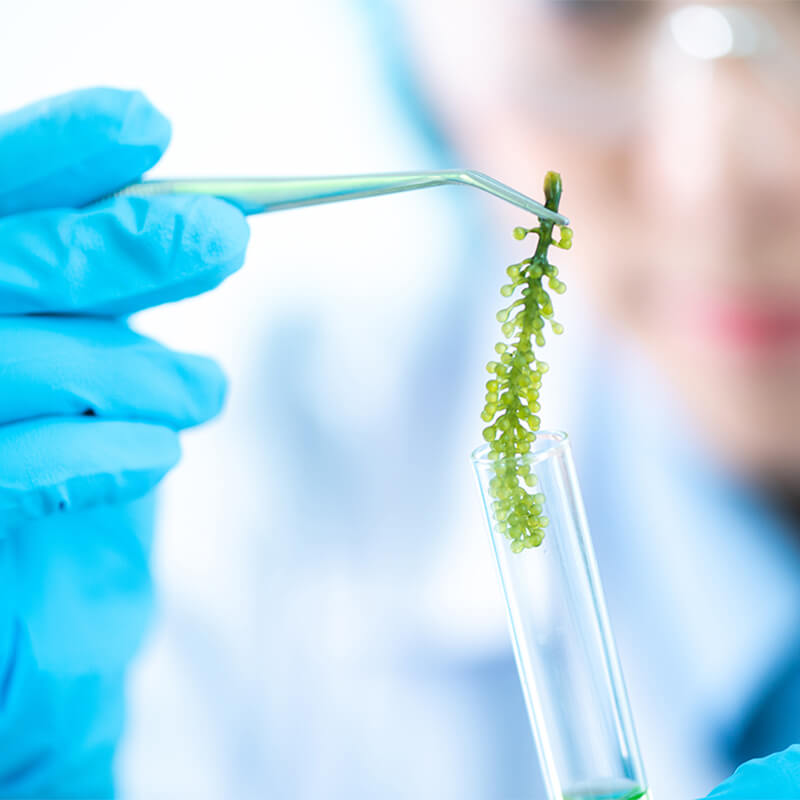
A Sustainable Alternative for Reducing Environmental Pollution: Bioplastics
Bioplastics, as one of the emerging technologies in the production of packaging materials and agricultural mulch films, offer an innovative approach to tackling environmental challenges. Utilizing renewable resources in the production of these polymers significantly reduces pollution caused by conventional petroleum-based plastics. This technology not only helps preserve soil quality and enhance agricultural productivity, but also paves the way for sustainable economic development.
With growing concerns over plastic pollution and the environmental impact of traditional plastics, bioplastics have gained attention as an eco-friendly and viable alternative. Research shows that using these materials can contribute to carbon reduction and promote greater recyclability. Moreover, in an era of depleting non-renewable resources, the demand for renewable alternatives has made this technology a bold and forward-looking choice in the agricultural sector.
The Growing Role of Bioplastics in Agriculture and Innovation Across the Value Chain
Decades after the onset of the industrial revolution, the widespread use of conventional plastics—especially within the agricultural supply chain—has emerged as a major environmental challenge. Excessive reliance on these materials has led to issues such as soil contamination, marine pollution, and degradation of water resources. In response, researchers and environmental experts have sought alternatives to mitigate the harmful impact of petroleum-based plastics, introducing bioplastics as a promising solution.
Bioplastics are derived from renewable sources such as starch, cellulose, wood, and biomass—materials known for their sustainability. The adoption of this technology not only reduces environmental harm but also contributes to economic value creation and job opportunities in sectors related to bio-based packaging production. Recent studies indicate a growing global shift toward bioplastics, with various supportive policies being implemented to accelerate the development of this emerging market.
One of the most critical aspects of this movement is reducing the strain on natural resources and preserving ecological systems. For instance, minimizing the use of petroleum-based plastics can play a key role in lowering greenhouse gas emissions, which is essential in the fight against climate change.
Global Statistics and Data on Plastic Usage in the Agricultural Supply Chain
According to a 2019 report by the Food and Agriculture Organization of the United Nations (FAO), agricultural value chains use approximately 12.5 million tons of plastic annually for crop and livestock production, along with an additional 37.3 million tons for food packaging. These figures highlight the massive scale of conventional plastic consumption, which has led to widespread environmental pollution.
Projections also indicate that global demand for greenhouse films, mulch, and silage is expected to grow from 6.1 million tons in 2018 to around 9.5 million tons by 2030. This rising demand reflects the growing need for packaging materials, but it has also fueled environmental concerns related to the excessive use of petroleum-based plastics—prompting a search for more sustainable alternatives like bioplastics.
Moreover, according to data published by European Bioplastics e.V., global bioplastics production capacity is expected to reach approximately 2.47 million tons in 2024 and grow to 5.73 million tons by 2029. In addition, the global market value of bioplastics and biopolymers is estimated at $15.3 billion in 2024, with projections indicating it could reach $45.2 billion by 2029.
These statistics clearly demonstrate that bioplastics present significant economic and environmental potential, with adoption on the rise not only at a national level but also across the global stage.
The Positive Impact of Bioplastics on Soil Quality and Reducing Plastic Pollution
The use of bioplastics is gaining importance for several reasons, including their role in reducing pollution and enhancing soil quality. Thanks to their natural biodegradability, these materials break down without leaving behind microplastic residues, returning harmlessly to the environment after their useful life. As a result, the application of bio-mulch films in agriculture plays a crucial role in protecting soil health and increasing nitrogen content.
Moreover, bioplastics are derived from renewable resources, which have a significantly lower environmental impact compared to traditional plastics. This makes them an effective tool for promoting environmental sustainability and optimizing the use of natural resources in agricultural economies.
According to Dr. Zhiwu “Drew” Wang, Professor of Biological Systems Engineering at Virginia Tech:
– Dr. Zhiwu “Drew” Wang, Professor of Biological Systems Engineering at Virginia Tech: “By developing cost-effective bioplastics that naturally decompose, we can reduce plastic pollution in soil and oceans, while also addressing major issues such as greenhouse gas emissions and the economic losses associated with food waste.”
This perspective has drawn attention not only from a scientific standpoint but also from an economic one, as reducing environmental cleanup costs and improving agricultural productivity can lead to substantial savings.
Additionally, research indicates that using bioplastics in agriculture can contribute to higher crop growth rates and improve key economic indicators in the farming sector. For instance, studies conducted at leading universities have shown that incorporating this technology in greenhouses and farmlands can increase plant growth rates by several percentage points.

Risks, Technical, and Environmental Considerations in the Biodegradability and Use of Bioplastics
Despite the numerous advantages and opportunities offered by bioplastics, there are still key challenges and limitations associated with their use. One major issue is the specific conditions required for complete biodegradation. In uncontrolled environments with fluctuating temperature and humidity, decomposition can be slow, potentially leaving behind microplastic particles.
Additionally, some bioplastics may contain toxic additives that, if released into the environment, can lead to water and soil pollution. Another controversial point is the use of agricultural crops to produce raw materials for bioplastics, which may compete with food production by occupying valuable farmland.
According to James Schrader, horticulture scientist at Iowa State University:
– James Schrader, Horticulture Scientist at Iowa State University: “Our findings suggest that people may be willing to pay more for sustainability and composting options. The market will likely begin with smaller producers catering to eco-conscious customers, but over time, market share is expected to grow.”
This insight highlights the importance of thoroughly addressing technical and environmental concerns to ensure the effective adoption of bioplastics. Optimizing biodegradation processes and strengthening global regulations and product standardization are essential steps toward long-term success.
Another key challenge is the high initial production cost of bioplastics, which often exceeds that of conventional plastics. While increased investment in the field could lead to cost reductions in the long run, government support and economic incentives are crucial in the early stages to help scale the industry.
Recent Research and Technological Advances in Developing Bioplastics for Sustainable Agriculture
In recent years, researchers at leading universities and research centers have been actively working on innovative solutions to develop high-performance bioplastics. For example, scientists at Virginia Tech are developing biodegradable bioplastics derived from food waste, aiming to reduce overall waste while making efficient use of available resources.
Another noteworthy initiative is the BioWRAP project at the University of Nebraska, which focuses on creating sprayable bio-based films for weed control. This project seeks to reduce the reliance on herbicides and traditional plastics by offering bioplastic-based alternatives. Early results show strong potential for this technology to enhance agricultural productivity.
Similarly, companies such as Shellworks and Sway are pioneering algae-based bioplastics that naturally decompose in the environment, helping prevent microplastic pollution. These breakthroughs signal a scientific and industrial evolution in the field of bioplastics.
As stated by Catia Bastioli, CEO of Novamont and the inventor of starch-based bioplastics:
– Catia Bastioli, CEO of Novamont: “Our goal is to develop bio-based solutions that not only replace conventional plastics, but also improve soil quality and reduce greenhouse gas emissions.”
This statement highlights the importance of integrating cutting-edge technology with sustainable agricultural practices, reflecting the significant growth of innovation in the field of bio-based packaging materials.
Recent studies have also explored the performance of bioplastics under various environmental conditions, using field trials to gather valuable data on their durability and effectiveness. These findings can play a vital role in shaping supportive policies and advancing international standards for bioplastic applications.
Comparing Bioplastic Technologies with Conventional Plastics from Economic and Environmental Perspectives
From an economic standpoint, the initial production costs of bioplastics are generally higher than those of petroleum-based plastics. However, in the long run, these costs are offset by savings related to environmental cleanup and more efficient use of natural resources. Economic studies show that as production scales up and process technologies improve, the cost of bioplastic production is expected to approach competitive levels.
From an environmental perspective, the differences between the two technologies are substantial. Traditional plastics are non-biodegradable and can persist in the environment for decades, causing microplastic pollution, threatening water sources, and harming wildlife. In contrast, bioplastics naturally decompose after use and can be reintegrated into the ecosystem’s recycling loop.
Many experts believe that transitioning from petroleum-based plastics to bioplastics plays a crucial role in achieving sustainable development. This shift not only reduces environmental impact but also enhances economic conditions in sectors related to material production and recycling.
Furthermore, economic research suggests that as public awareness increases and government policies become more supportive, market demand for bioplastic products will grow steadily over time. This trend is expected to create new job opportunities in both the recycling industry and the production of sustainable materials.
Market Growth Projections and Investment Opportunities in This Emerging Sector
Forecast analyses based on existing statistical data indicate that the bioplastics market is poised for significant growth in the coming years. Rising environmental concerns, the urgent need for sustainable solutions, and increasing government support are among the key drivers boosting demand for this technology.
According to published data, global bioplastics production capacity is expected to multiply in the near future, with the market value projected to reach several tens of billions of dollars. This trend presents broad investment opportunities across research and development, mass production, and recycling initiatives.
Alongside market expansion, the establishment of integrated supply chains and the adoption of advanced digital technologies for production and distribution management can position bioplastics as a core element of the sustainable agriculture ecosystem. These advancements offer high potential not only from an environmental perspective but also in terms of economic impact.
In the near future, the widespread use of bioplastics in agriculture could lead to reduced pollution-related costs, improved crop quality, and added value throughout the agricultural value chain. This is particularly crucial for countries where agricultural productivity plays a key role in achieving sustainable development.
Moreover, strengthening international collaboration in the research and development of bioplastic technologies will facilitate knowledge exchange and accelerate technological advancement on a global scale. This collaborative momentum could become a major driver of economic growth in agriculture and related industries.
Key Strengths, Opportunities, and Strategic Recommendations Based on Research and Industry Insights
A comprehensive review of the benefits, challenges, and future trends in the bioplastics sector suggests that transitioning from conventional plastics to bioplastic technologies is not only environmentally justified but also economically viable. To facilitate this shift, government support, the establishment of international standards, and increased investment in advanced research will be essential.
Strategic recommendations include strengthening collaboration between public and private sectors, establishing innovation hubs for the bioplastics industry, and advancing recycling technologies. Implementing these measures can help build a fully sustainable ecosystem across the agricultural value chain.
In this regard, learning from the successful experiences of leading countries in the field of bioplastics can help address existing challenges. Additionally, raising awareness and providing specialized training in biotechnologies for both producers and consumers will play a crucial role in the success of this transition.
According to leading experts, collaboration among universities, research centers, and industry holds great promise for the emergence of a new generation of bioplastic products—ones that offer high performance while minimizing environmental impact and enhancing economic indicators.
Given the significance of this topic and its long-term environmental implications, it is strongly recommended that any development policy begins with investing in bioplastics research and innovation, along with establishing the necessary infrastructure for efficient and large-scale production.
Outlook and Critical Reflections on Achievements and Challenges for Future Policy Development
A review of the topics discussed reveals that bioplastic technologies offer a unique opportunity to address the environmental challenges caused by the widespread use of petroleum-based plastics. Despite technical and economic hurdles in the early stages, adopting this technology can lead to significant environmental benefits and improved agricultural product quality.
In this context, formulating supportive policies and strengthening technical infrastructure are essential. Building a cohesive ecosystem in which universities, researchers, and industry players collaborate on developing innovative technologies is likely the most effective path toward achieving sustainable development.
At the same time, economic aspects such as reducing pollution-related costs, improving efficiency, and creating job opportunities play a key role in gaining public acceptance and encouraging widespread investment in this field. Therefore, enhancing international collaboration and learning from the successful experiences of advanced countries is crucial.
Ultimately, moving forward will require continuous innovation, the establishment of precise standards, and broad financial and political support from both public and private sectors. Such efforts are essential to ensuring the success of the digital transformation in agriculture and the shift toward a green, sustainable economy.
With lessons learned from the past and a forward-thinking approach, the future of bioplastics appears both promising and inspiring. As a bold step toward reducing environmental pollution and protecting natural resources, this technology is expected to assume a strategic role within the agricultural value chain.
Going forward, it is recommended that field and laboratory research aimed at improving efficiency and lowering production costs be conducted in parallel with the development of industrial and educational infrastructure. This will help establish a self-reinforcing cycle of innovation in the bioplastics sector.
Furthermore, given that climate change and environmental crises are global concerns, the strategies presented in this article can serve as a model for other industries and nations seeking to achieve sustainable development.
Therefore, long-term policy planning and investment in fundamental research are essential for realizing the full potential of bioplastics. These efforts can contribute significantly to reducing environmental pollution, improving ecosystem health, and fostering a circular, sustainable economy.
A comprehensive perspective on all the discussed dimensions highlights the urgent need to establish a national and international collaboration network for knowledge and experience sharing in the field of bioplastics. Such partnerships can accelerate innovation and reduce technological costs.
For this reason, encouraging public and private investors to support innovative projects, creating advanced research centers, and developing supportive regulations are all vital steps in transforming the bioplastics industry.
Overall, a comprehensive approach to bioplastics has the potential to redefine the boundaries of agricultural production and material recycling—ultimately enhancing both economic and environmental prospects on a global scale.