
Innovative Circular Agriculture for Enhanced Resource Efficiency
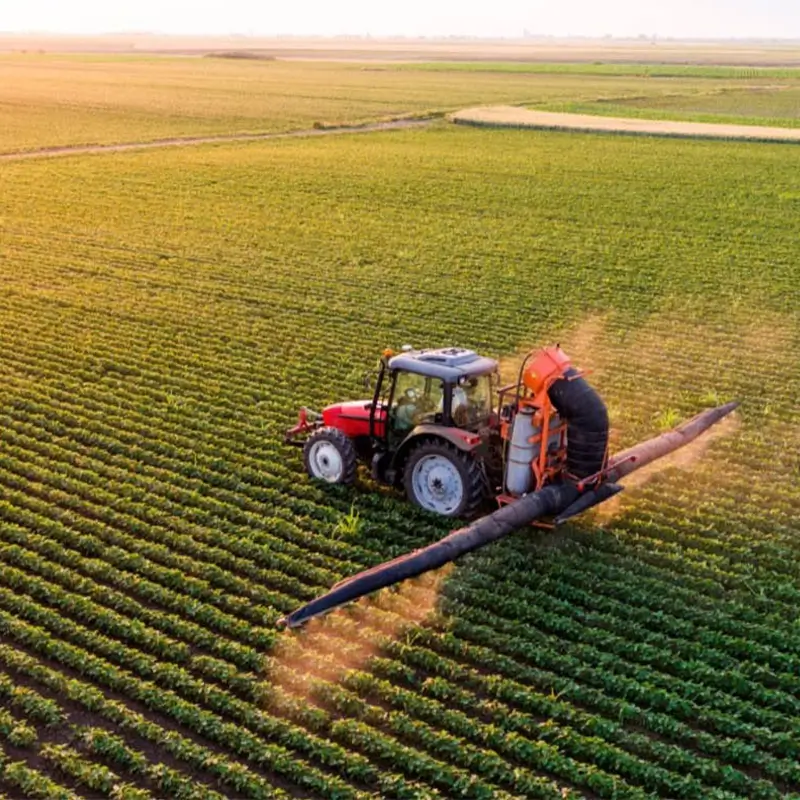
Circular Agriculture: An Innovative Approach for Sustainability and Enhanced Resource Efficiency in Modern Agricultural Systems
Circular agriculture is a modern concept in agricultural resource management aimed at reducing waste, optimizing resource use, and promoting environmental sustainability. This approach is based on the principles of the circular economy, striving to create a closed-loop system where consumed nutrients are reused and reintegrated into the production cycle.
In the face of environmental challenges, climate change, and the depletion of water and soil resources, circular agriculture has gained attention as an effective solution. In addition to enhancing the productivity of agricultural systems, this approach helps reduce environmental impacts and increase economic profitability.
Extensive international research and field studies have shown that implementing circular agriculture principles can significantly reduce waste and the overuse of natural resources, paving the way for sustainable development in the agricultural sector.
Fundamental Understanding of Circular Agriculture in the New Era of Resources
Circular agriculture essentially refers to redefining traditional agricultural processes by incorporating closed-loop resource cycles. Unlike the linear production approach, where resources are used once and generate waste, this model emphasizes recycling and reusing all inputs as much as possible.
The core principles of this approach include waste reduction, soil quality improvement through the return of organic matter, reuse of water, and efficient utilization of production inputs. Additionally, leveraging modern technologies in data management and supply chain control enhances productivity and reduces production costs.
– Principles and Implementation Models of Circular Agriculture
Implementation models of circular agriculture involve identifying recyclable potential in each stage of production, developing necessary infrastructure for waste recycling, and reusing resources. Practical applications in this model include energy recovery, waste processing, and organic fertilizer regeneration, all of which contribute to improved soil health and reduced dependency on chemical inputs.
Academic research and applied projects in advanced countries show that employing modern technologies such as the Internet of Things (IoT), artificial intelligence (AI), and data analytics can significantly enhance recycling cycles in agriculture. This, in turn, leads to increased productivity and reduced production costs on farms.
– Dr. Mohammad Hassan Abrishami: “The development of sustainable agriculture requires a reassessment of traditional methods and the adoption of modern technologies.”
This perspective is endorsed by leading agricultural researchers and highlights the importance of shifting toward closed-loop consumption systems to make the most efficient use of available resources.
Global Perspective on Circular Agriculture and Scientific Achievements
At the international level, reputable organizations and research institutions have emphasized the importance of circular agriculture, publishing numerous statistical reports highlighting reductions in food waste and resource savings. These findings have led to the adoption of supportive policies in many countries.
According to the Food and Agriculture Organization of the United Nations (FAO), approximately 30% of the world’s food production is wasted each year. In this context, applying circular economy principles to agriculture can significantly reduce waste levels.
– International Statistics and Findings on Waste Reduction
Studies conducted in the European Union indicate that the use of modern technologies and circular models in resource management can reduce natural resource consumption by around 20%. This reduction not only benefits the environment but also enhances the economic competitiveness of agricultural industries.
Moreover, some studies show that European countries implementing this approach have achieved notable improvements in farm productivity and environmental pollution reduction. These achievements serve as the foundation for long-term policy-making aimed at sustainable agricultural development.
– Researcher at the European Environment Agency: “Integrating the circular economy with agriculture paves the way for a fundamental transformation in natural resource management.”
These accomplishments underscore the importance of knowledge and technology exchange between countries to reduce waste and enhance resource efficiency.
Challenges and Opportunities of Modern Agriculture in Iran
Iran, with its rich history and abundant natural resources, holds significant potential in the agricultural sector. However, challenges such as declining water resources, improper use of chemical fertilizers, and inefficient supply chain management have caused serious issues in this field.
According to data from the Statistical Center of Iran, the agricultural sector accounts for approximately 27% of the country’s GDP and supplies over 80% of the population’s food needs. These figures highlight the sector’s critical role in the national economy and the urgent need for transformation through innovative approaches such as circular agriculture.
– Current Status and Existing Capacities in Agriculture
With diverse climates and various water sources, Iran has the capability to implement modern agricultural models. Key crops such as wheat, sugar beet, grapes, and others are among the country’s main products, which can be enhanced through the adoption of advanced technologies.
For instance, according to a report by Iranz Mag, Iran produces around 13.3 million tons of wheat annually, holding a significant position among wheat-producing nations. Statistical reports also highlight the country’s strong capabilities in producing orchard crops such as grapes.
– Dr. Eskandar Zand: “Circular agriculture can serve as an effective solution to address natural resource challenges and enhance productivity in Iran.”
This indicates that the country has the groundwork to move toward sustainable agriculture, requiring only proper policy-making and investment in modern infrastructure.

Economic and Environmental Benefits of Circular Agriculture in Iran
Adopting circular models in agriculture can yield significant economic and environmental achievements. Reducing food waste, optimizing water use, preserving soil health, and decreasing dependency on imports are among the key advantages of this approach.
Developing recycling systems on farms not only lowers operational costs but also improves product quality and increases the profitability of agricultural activities. Moreover, reduced consumption of natural resources contributes to long-term economic savings and significant environmental protection.
– Waste Reduction and Resource Use Optimization
Implementing circular models in agriculture ensures that waste generated in each segment is reused as a valuable resource. For example, crop residues can be processed and utilized as organic fertilizer, which not only retains nutrients but also enhances soil fertility.
According to FAO statistics, achieving a 30% reduction in global food waste is only possible through the adoption of innovative approaches. This can have a substantial impact in countries like Iran, where a large part of the economy relies on agriculture.
– Agricultural Economics Specialist: “Improving resource efficiency through recycling and reuse is the key to sustainable development in agricultural value chains.”
Enhancing resource efficiency means reduced reliance on imported agricultural inputs and increased domestic production. Along with the creation of new job opportunities, this can drive the country’s economic growth.
Challenges and Practical Solutions in the Development of Circular Agriculture
Despite its many advantages, the implementation of circular agriculture in the country faces numerous challenges and obstacles. These include insufficient awareness among farmers, lack of essential infrastructure, and regulatory barriers.
Overcoming these challenges requires awareness-raising, investment in research and development, and the reform of existing agricultural regulations. Changing mindsets toward traditional methods and embracing modern technologies in resource management are essential for transformation in this field.
– Legal Barriers, Awareness, and Necessary Infrastructure
One of the most significant obstacles is the absence of essential infrastructure to implement modern technologies in agriculture. Lack of coordination between various entities and the absence of comprehensive policies have prevented the full utilization of the potential of circular agriculture.
Suggested solutions include organizing training courses for farmers, establishing innovation centers, and increasing government investment in agricultural research. Additionally, revising and enacting supportive regulations to encourage the adoption of sustainable practices are other necessary measures.
– Agricultural Policy Experts: “Establishing modern infrastructure and enacting incentive regulations are among the most important factors for the successful transformation of agricultural systems.”
Developing communication networks between universities, research institutions, and the agricultural industry can facilitate knowledge and technology exchange and accelerate the nationwide implementation of this approach.
The Role of Modern Technologies in Transforming Circular Agriculture
Modern technologies such as the Internet of Things (IoT), artificial intelligence (AI), big data, and automation systems can act as key drivers in improving agricultural resource management and realizing circular principles. Utilizing these technologies for environmental monitoring, crop status tracking, and supply chain optimization significantly enhances system efficiency.
By leveraging advanced tools, precise monitoring of water, fertilizer, and energy usage becomes possible. This not only reduces production costs but also contributes to the conservation of natural resources and reduction of environmental pollution.
– Advanced Tools and Technologies in Agriculture
Using sensors and smart devices in intelligent irrigation systems is a practical example of employing modern technologies in circular agriculture. These systems analyze data collected from farms to optimize water usage based on the actual needs of plants.
In addition, the implementation of farm management software and monitoring systems can minimize human errors and assist in the early detection of soil quality issues and pest infestations. Numerous reports in reputable scientific journals such as the “Journal of Cleaner Production” highlight the positive impact of these technologies on farm performance.
– Agricultural Technology Researcher: “Integrating modern technologies into agricultural systems is an effective step toward enhancing productivity and resource sustainability.”
With the expansion of IoT and the integration of smart devices into a unified network, real-time data collection and analysis become feasible, enabling data-driven management decisions.
Successful International Models of Circular Agriculture
Examining the successful experiences of advanced countries in implementing circular agriculture models shows that this approach can serve as a model for countries like Iran. Nations such as the Netherlands, Denmark, and Germany have carried out numerous successful projects that have significantly reduced waste and improved resource efficiency.
These countries have transformed their agricultural systems and achieved major milestones in sustainable production by focusing on research and development, building modern infrastructure, and enacting supportive policies.
– Lessons Learned from Global Experiences
One of the most important lessons from successful international experiences is the role of coordination between government bodies, the private sector, and universities in advancing modern agricultural technologies. This collaboration facilitates knowledge exchange and accelerates innovation.
For example, in the Netherlands, joint projects between leading universities and the industrial sector have led to the development of innovative technologies in irrigation and waste management, doubling productivity compared to traditional methods.
– Director of Agricultural Innovation Projects in Europe: “Collaboration among academia, industry, and government is the key to achieving the goals of circular agriculture.”
These experiences demonstrate that Iran, through the establishment of coordinated and shared platforms, can benefit from global lessons and implement new resource management strategies in its agricultural sector.
Proposed Strategies for Sustainable Development of Circular Agriculture in Iran
Considering Iran’s existing capacities and successful international experiences, formulating appropriate strategies to adapt circular agriculture models to the country’s local conditions is of critical importance. Developing educational platforms, investing in applied research, and drafting supportive policies are among the measures that can lead to significant transformation in this sector.
One of the main proposals is the creation of a network of agricultural innovation centers and joint platforms involving the government, universities, and the private sector. These platforms will facilitate experience sharing, advisory services, and the development of modern technologies nationwide.
– Supportive Policies, Education, and Technological Infrastructure Development
Implementing incentive and support policies for farmers to adopt modern models can drive widespread transformation in the agricultural system. Enacting new laws that promote recycling and resource reuse is among these solutions.
Additionally, holding specialized training courses, educational workshops, and enhancing technical knowledge among the younger generation of farmers can significantly reduce technical and managerial barriers to implementing these models. Investing in IT infrastructure and modern equipment is another key step toward achieving these goals.
– Professor at the University of Agricultural Sciences: “Investment in education and technology is the foundation for progress and sustainable transformation in the agricultural system.”
Strategic plans should include financial incentives, credit facilities, and regulatory facilitations to enable a swift transition toward circular agriculture in the shortest possible time.
Vision and Foresight in the Development of Circular Agriculture
Rapid technological advancements and climate change have paved the way for new approaches in natural resource management. In this context, circular agriculture is emerging as one of the most effective solutions to address environmental and economic crises.
Given the growing global population and the increasing need for sustainable food systems, the future of agriculture depends on adapting to modern models. In this journey, international research and practical projects in developed countries serve as valuable guides for Iran.
– Future Achievements and the Path Toward Sustainable Agriculture
It is predicted that in the coming decades, circular agricultural systems utilizing modern technologies will significantly reduce resource consumption and increase productivity. One of the potential outcomes includes a 40% reduction in production costs and a 25% improvement in water use efficiency.
Additionally, environmental improvement, reduction of greenhouse gas emissions, and the creation of sustainable employment are among the positive outcomes of implementing this model. Sustainable development in this area leads to a closed-loop economy that benefits all stakeholders.
– Environmental Economist: “Transforming agricultural systems and transitioning to circular models is the foundation of sustainable development in the near future.”
By outlining long-term visions and investing in fundamental research, these achievements can be realized at the national level. Overall, the future of agriculture in Iran hinges on the adoption and implementation of modern principles and the integration of technical knowledge with local experience.
Summary and Transformative Outlook for the Agricultural System
Transforming Iran’s agricultural system through the adoption of modern approaches such as circular agriculture requires the alignment of policies, specialized education, and investment in advanced technologies. This model not only protects natural resources but also fosters economic growth and boosts productivity in the agricultural sector.
By leveraging international experiences and adapting them to local conditions, Iran can become a successful model in sustainable agriculture. Establishing communication networks among universities, research institutes, and government entities will support knowledge exchange and provide technical backing in this field.
– Foresight and Pathway Toward Sustainable Agriculture
Through the development of long-term strategies and the implementation of practical programs, existing barriers can be gradually overcome, and the necessary groundwork for circular agriculture can be established. This will lead to fundamental transformation not only economically, but also socially and environmentally.
Ultimately, developing modern and sustainable agricultural models plays a vital role in ensuring food security, preserving the environment, and driving the nation’s economic development. Efforts to bring about structural change and adopt advanced technologies will pave the way for a bright and resilient future for Iran’s agriculture.
– Senior Agricultural Research Director: “Transforming the agricultural system by integrating technical knowledge with local experience paves the way to lasting success.”
Despite existing challenges and complexities, the commitment of society, institutions, and government to cooperation and coordination can take effective steps toward realizing the full potential of circular agriculture and positioning Iran at the forefront of agricultural innovation.
Conclusion and Call to Action for Sustainable Transformation
Today’s challenges demand approaches that go beyond traditional models. Circular agriculture, through recycling, resource reuse, and modern technologies, has proven to be a game-changer in agricultural transformation.
The development of this model not only reduces production waste but also enhances productivity and improves soil and water resource health. This approach can help reduce reliance on imported agricultural inputs and boost domestic production levels.
– A Call for Convergence of Knowledge, Industry, and Policy
In light of international achievements and experiences, it is time for countries to embrace a unified approach involving academia, industry, and government to implement innovative management practices. Establishing collaborative platforms and research networks will foster the generation of practical knowledge in circular agriculture.
This movement requires collective commitment from society, acceptance of change, and investment in sustainable technologies. The stronger this collective will, the greater and more effective the outcomes of transforming agricultural systems will be.
– Distinguished Professor of Agricultural Sciences: “The convergence of knowledge and action is the key to overcoming modern challenges in agriculture.”
In conclusion, the path toward sustainable agricultural development requires innovative motivation, clear policy-making, and strengthened technological infrastructure. The collective participation of all stakeholders ensures a brighter and more resilient future in the face of environmental changes.
By transitioning to modern models, Iran can take a leading role in circular agriculture in the region and serve as a model for other nations. This transformation will not only improve the quality of life for farmers and rural communities but also contribute to economic growth and the creation of sustainable jobs.
Therefore, mobilizing society, government and private institutions, and universities to align with global innovations is essential for restructuring agricultural systems. The future of Iran’s agriculture depends on the synergy of knowledge, technology, and collective effort.
With hope that this innovative approach can establish a closed and sustainable cycle in agricultural production, the journey toward a brighter future—centered on optimal resource use—is only achievable through unity and continuous effort.
This article, by presenting scientific perspectives, reliable statistics, and successful global experiences, is an attempt to outline a comprehensive roadmap toward sustainable agriculture in Iran. It is hoped that by applying the proposed strategies, major structural changes will occur and a new development path will be paved.