
Biofactories for Food Production with Molecular Farming
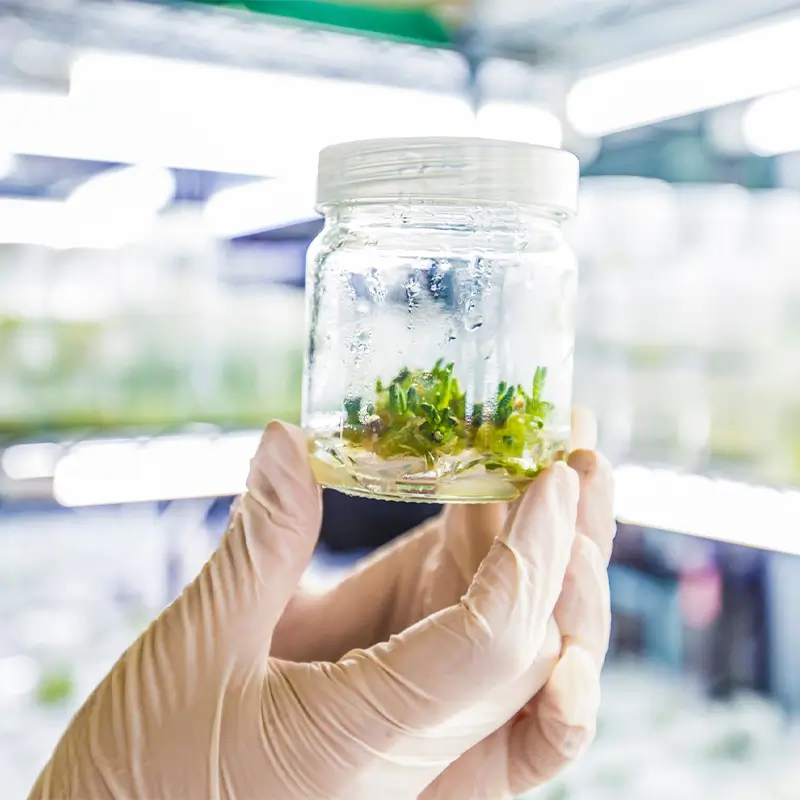
Molecular Agriculture: The Future of Food Production Through Plants and Animals as Biological Factories
Molecular agriculture is an innovative concept at the intersection of biotechnology and modern agriculture that, by harnessing genetic engineering, enables the use of plants and animals as miniature production systems. This novel approach not only produces pharmaceutical compounds, vaccines, and industrial enzymes but also seeks to fundamentally transform the agricultural value chain and food security.
With significant advances in genetics, molecular technologies, and biotechnology in recent decades, researchers around the globe are striving to develop more sustainable methods for producing valuable products. As a bridge between genetic knowledge and the industrial production of biological goods, molecular agriculture plays a crucial role in reducing production costs and enhancing product quality by lessening reliance on traditional methods and utilizing modern technologies.
Given the rapid growth of biotechnology and the need for innovative solutions in food and pharmaceutical production, molecular agriculture has emerged as one of the most important innovations of our century.
What is Molecular Agriculture and How Does It Work?
Molecular agriculture is a branch of biotechnology that employs the principles of genetic engineering to transform plants and animals into “biological factories.” In this method, specific genes capable of producing therapeutic proteins, vaccines, enzymes, and other valuable products are inserted into living cells to activate the desired biological systems in a targeted manner.
In fact, molecular agriculture refers to the use of living organisms as platforms for producing molecular products. In this approach, target genes are introduced into organisms via modern genetic technologies, such as transgenesis. For example, a gene encoding a therapeutic protein is transferred to plants so that they can naturally produce the protein.
This technology enables researchers to harness cellular processes to obtain high-quality products at lower production costs compared to traditional methods. Today, more than 40 types of drugs produced via molecular agriculture have been approved by regulatory agencies, and about 800 other types are undergoing various stages of clinical trials.
From a scientific standpoint, molecular agriculture is a concept that utilizes modern genetic tools—such as gene transfer vectors, promoters, and gene expression modification techniques—to optimize the production of biological products. This technology has extensive applications not only in pharmaceuticals but also in the food and agricultural industries.
– Genetic Mechanisms and Modern Technologies
The operation of molecular agriculture is based on the transfer of specific genes into living cells. In this process, methods such as adenoviruses, adeno-associated viruses, engineered bacteria, and other gene delivery systems are employed to accurately introduce the required genes into the cells.
Once the target genes are introduced, the cells start producing the desired proteins. The protein synthesis process in plant or animal cells is similar to the natural protein synthesis process; the only difference is that the inserted genetic sequence instructs the cell to produce a valuable and functional substance, such as a vaccine or an industrial enzyme.
Research has shown that by refining gene transfer techniques and controlling gene expression, the performance of these systems can be enhanced to a satisfactory level. One of the primary challenges is maintaining the stable expression of the introduced genes over time, which is being improved through the use of advanced regulatory systems.
Successful Global Examples: From Plant-Based Vaccines to Animal-Free Protein Milks
In recent years, the world has seen numerous successful examples of molecular agriculture applications. These range from producing edible vaccines in plants to creating protein milks without the need for livestock, highlighting the high potential of this technology in addressing healthcare and industrial needs.
– Plant-Based Vaccine Examples
One of the remarkable achievements of molecular agriculture is the production of edible vaccines in plants such as potatoes, bananas, and other food crops. In this approach, genes related to the production of antibodies or protective proteins are introduced into the plant, enabling it to function as a natural bioreactor. These vaccines can boost the consumer’s immune system and provide protection against diseases like hepatitis B and other viral infections.
Research conducted at renowned European and American universities indicates that plant-based vaccines are not only safe but also more cost-effective compared to traditional vaccines. This innovation could provide an ideal platform for the rapid and large-scale production of vaccines during crisis situations.
– Engineer Sara Niknejad: “Molecular agriculture, especially in the field of plant-based vaccine production, can address the healthcare needs of communities during emergencies.”
– Production of Animal-Free Protein Milks
Another significant achievement of this technology is the production of protein milks without the use of livestock. Companies such as Perfect Day have utilized microbial fermentation technology to produce milk proteins without the need for animals. This method, besides lowering production costs, offers numerous environmental benefits, including reduced greenhouse gas emissions and decreased natural resource consumption.
The microbial fermentation process enables the large-scale production of milk proteins, which can serve as a healthy and sustainable alternative in the dairy industry. This innovation has gained attention in global markets and indicates a significant shift in perspectives on traditional dairy production.
– Dr. Reza Omidi: “By utilizing modern microbial fermentation technologies, the production of animal-free protein milks could be a milestone in the dairy and molecular agriculture industries.”
Economic and Environmental Benefits of Molecular Agriculture
Molecular agriculture offers intelligent solutions that bring significant economic and environmental benefits. By reducing production costs, increasing efficiency, and lowering natural resource consumption, this technology has attracted the attention of investors, as well as academic and governmental institutions.
– Economic Benefits
One of the primary benefits of molecular agriculture is its ability to lower production costs. In traditional systems for producing pharmaceutical or enzymatic products, the expenses related to livestock rearing or animal cell culture are quite high. In contrast, molecular agriculture leverages plants and animals as production platforms, thereby reducing costs related to maintenance and production.
Beyond reducing costs, the ability to mass-produce high-quality products also significantly aids in job creation and the development of related industries. The production of plant-based vaccines and pharmaceuticals can meet the needs of countries with less advanced healthcare infrastructures, thereby contributing to improved public health.
Some studies suggest that utilizing plant-based platforms for drug production can cut costs by up to 50 percent. Over time, this reduction in production expenses could lead to lower final product prices and greater accessibility for the general public.
– Environmental Benefits
From an environmental standpoint, molecular agriculture offers several key advantages over traditional methods. For one, producing goods using plant-based platforms requires less consumption of water and soil resources. For example, compared to livestock rearing, protein production in plants utilizes fewer resources.
Furthermore, the diminished reliance on industrial livestock farming results in lower greenhouse gas emissions—such as methane—and consequently reduces air pollution and climate change. This is especially significant given today’s environmental crises.
Considering the growing global concerns over climate change, incorporating molecular technologies in agriculture can be an effective step towards sustainable development and environmental protection.
Challenges and Limitations of Technology in This Field
Despite its numerous advantages, the technology behind molecular agriculture also faces significant challenges. These challenges can be categorized into two main groups: technical and regulatory-social.
– Technical Challenges
One of the primary challenges in utilizing molecular agriculture is ensuring the stable expression of introduced genes in host cells. Although gene transfer methods have seen significant advancements, guaranteeing long-term stable performance of these introduced genes remains a challenge.
Additionally, the process of isolating and purifying proteins produced from plant or animal matrices is often complex and expensive. This process requires advanced technologies and specialized equipment that may not be readily accessible in some countries.
Studies have shown that employing nanoparticle techniques and encapsulation systems can enhance the efficiency of the extraction process, yet optimal and standardized methods for this production stage have not been fully established.
– Regulatory and Social Challenges
Besides technical challenges, regulatory issues and public acceptance are also major obstacles in the development of molecular agriculture. Consumer concerns regarding the safety of genetically modified products and genetic alterations may result in resistance to this technology.
Moreover, the prolonged and complex regulatory approval processes in many countries hinder the development and commercialization of products based on molecular agriculture. Strict regulations concerning genetically modified products and environmental impact concerns are significant challenges that necessitate close collaboration among governmental agencies, researchers, and industry stakeholders.
In this context, providing documented scientific evidence and organizing awareness campaigns can help shift public perceptions. Legal support and the establishment of flexible regulatory frameworks are also key factors in facilitating the advancement of this technology.
The Future of Molecular Agriculture and Investment Opportunities in Iran
Despite the existing challenges, the outlook for molecular agriculture appears very promising. Advances in science and technology, increasing demand for biological products, and fundamental shifts in global consumption patterns have created favorable conditions for the growth of this technology.
– Global Outlook
Given the upward trend in genetic engineering and biotechnology research, it is anticipated that molecular agriculture will become one of the key pillars in the production of drugs, vaccines, and industrial enzymes in the coming decades. International studies suggest that utilizing plant-based platforms can significantly reduce production costs and improve access to high-quality products.
Some forecasts indicate that the global market for molecular products will experience exponential growth in the coming years, reaching a valuation in the billions of dollars. This trend underscores the growing importance of innovative technologies in meeting healthcare and industrial needs.
In line with this, researchers from renowned international universities and research centers have focused on improving gene transfer processes, increasing production efficiency, and reducing production costs. The outcomes of these efforts could pave the way for a revolution in the pharmaceutical and food industries.
– Investment Opportunities in Iran
Iran, due to its diverse climate, rich genetic resources, and the presence of reputable scientific centers, has the potential to become one of the hubs for molecular agricultural product production. Given its successful experience in traditional agriculture and innovative research, the investment opportunities in this field are very promising.
The presence of leading universities, research centers, and biotech start-ups has created an ideal environment for the development of molecular technologies. Moreover, the government, through supportive programs under a knowledge-based economy, is working to establish financial incentives and the necessary infrastructure for the growth of this industry.
In this context, experts believe that with appropriate investment in both research and industrial sectors, Iran could become a regional pioneer in molecular agriculture. The rapid expansion of the global molecular products market suggests the potential for attracting foreign investments and enhancing the country’s economic indicators.
– Dr. Reza Omidi: “Molecular agriculture has the potential to revolutionize the production of pharmaceutical products, and with proper investment, Iran can emerge as a leader in this field.”
Moreover, economic experts and Iranian scientists emphasize that the development of this technology will not only boost the export of biological products, but also create abundant job opportunities and enhance economic indicators in the agricultural sector and its related industries.
– Engineer Sara Niknejad: “Given the country’s existing capacities, the development of molecular agriculture can lead to job creation and an increase in the export of biological products.”
Overall, the future of molecular agriculture is bright and promising. As scientific research in this field expands and related technologies advance, investment opportunities will increasingly emerge on a global scale, particularly in our country. This innovative technology can play a crucial role in ensuring food security, reducing dependency on imported drugs and biological products, and creating sustainable employment.
In light of global trends and successful international experiences, transferring knowledge and innovative technologies to Iran and establishing the necessary infrastructure can position the country as a hub for molecular product production. This not only elevates the level of science and technology but also fosters economic growth and the development of related industries.
Therefore, collaboration between governmental, academic, and private sectors is essential to develop the necessary frameworks for leveraging molecular agriculture. Establishing international research networks and attracting biotechnology specialists are further actions that could foster rapid growth of this industry in Iran.
In conclusion, it should be emphasized that molecular agriculture is not merely an innovative technology but a gateway to a more sustainable future in food and pharmaceutical production. With continuous scientific advancements, investment in this field can trigger a transformative shift in related industries and drive the country towards economic development and an improved standard of living.
– Dr. Melliha Shaltouki: “Molecular agriculture is a biotechnology initiative that encompasses the genetic modification of agricultural products to produce proteins and chemicals for commercial and pharmaceutical purposes.”
Taking into account the challenges and opportunities present, the development and adoption of this technology require meticulous planning, legal support, and substantial investment from both governmental and private entities. Establishing a conducive environment for fundamental and applied research is a cornerstone in building a sustainable ecosystem for molecular agriculture.
Ultimately, it can be said that by harnessing genetic knowledge and advanced technologies, molecular agriculture opens new horizons in the production of pharmaceuticals, vaccines, and industrial enzymes. This innovative technology can play an effective role in addressing global healthcare, economic, and environmental challenges, paving the way for a bright future in the biotech industries.