

Gas-Fed Single-Cell Protein for Low-Carbon Feed
Gas-derived single-cell protein converts methane, CO2, and hydrogen into microbial biomass, easing pressure on land, soy, and fishmeal in livestock, poultry, and aquaculture feed while demanding rigorous feed trials.

Native Crop Pangenomes for Resilient Varieties
Graph genomes and pangenomes reveal hidden diversity, non-reference genes, structural variants, and haplotype paths, making climate-resilient variety design from gene banks to data-driven plant breeding more precise and practical.

Gene Editing of Wild Plants for Food Security
Modern plant domestication with multiplex gene editing reveals wild relatives’ capacity to produce climate-resilient varieties and explains Iran’s path from native germplasm to stress testing, biosafety, and the seed market.

GenAI Feed Enzyme Design: Bioprocessing
Generative AI feed enzyme design connects protein structure modeling, sequence design, microbial fermentation, safety testing, and bioreactor production for feed chains, food security, and the blue economy.
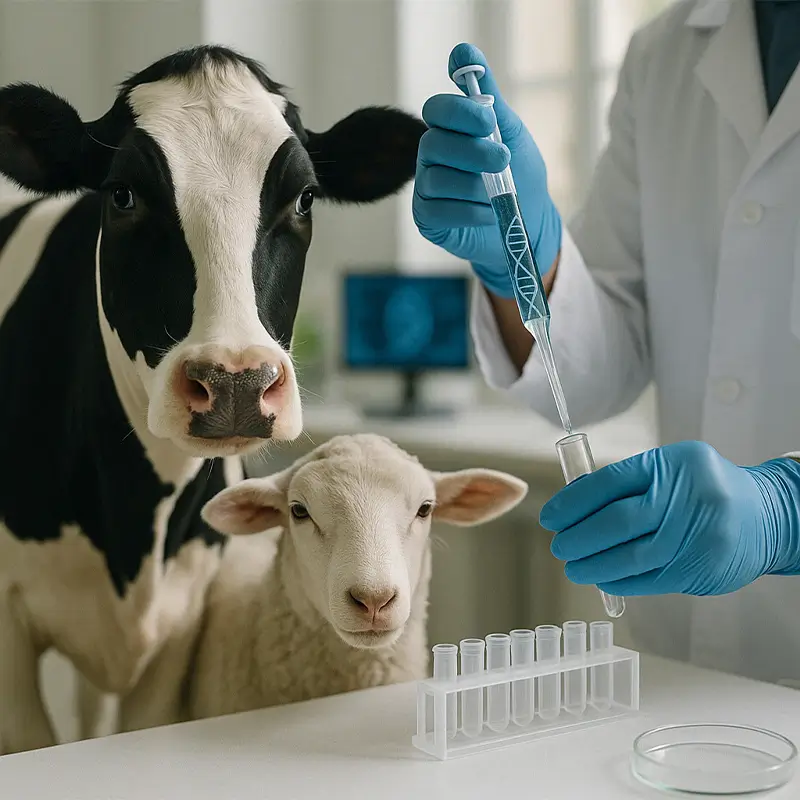
Enhancing Ruminant Resilience Through Viral Gene Therapy
Gene-editing technologies like CRISPR enable the removal of viral receptors and the enhancement of immune pathways, helping reduce mortality rates in ruminant livestock and improve overall farm productivity.

Reducing Pesticide Use with RNAi Pest Control
RNAi technology significantly reduces the need for chemical pesticides by enabling precise targeting of pest genes. This innovative approach improves agricultural productivity while minimizing environmental impact.
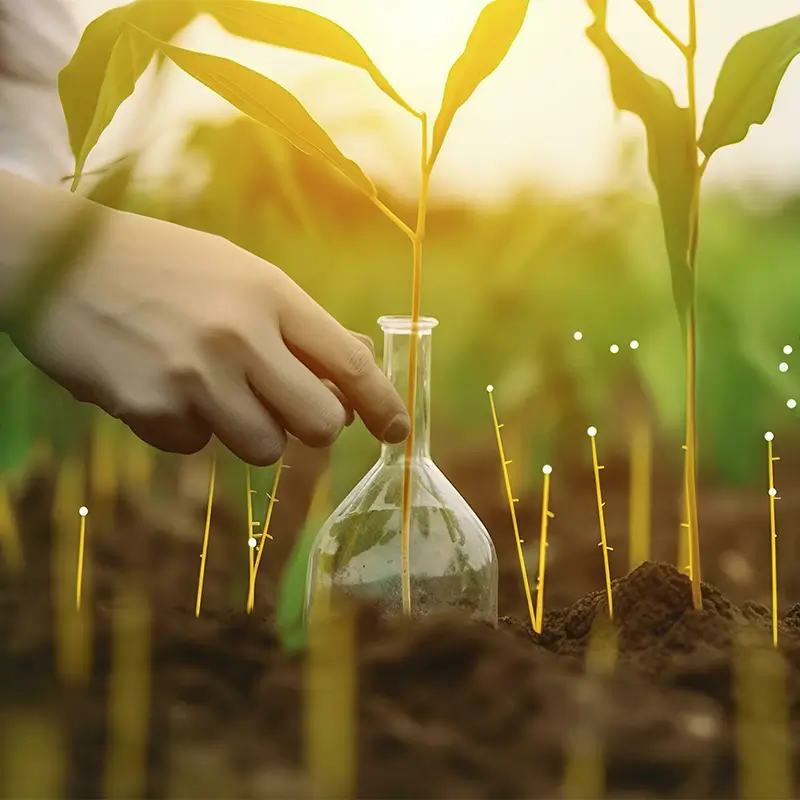
Transforming Sustainable Agriculture with Synthetic Biology
Synthetic biology merges science and tech to strengthen crops and, via biofertilizers and alternative proteins, boost food chain stability and sustainable development.
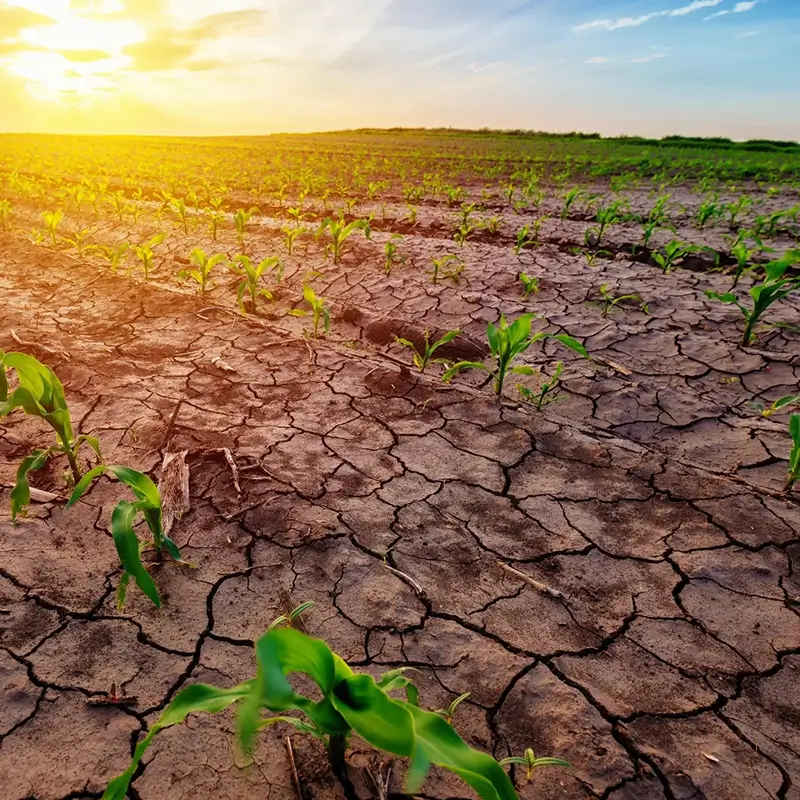
Biotechnology for Drought-Resistant Crops
Modern genetic technologies improve plant performance under drought and climatic stresses, and by transferring resistance genes, crop yields are enhanced.
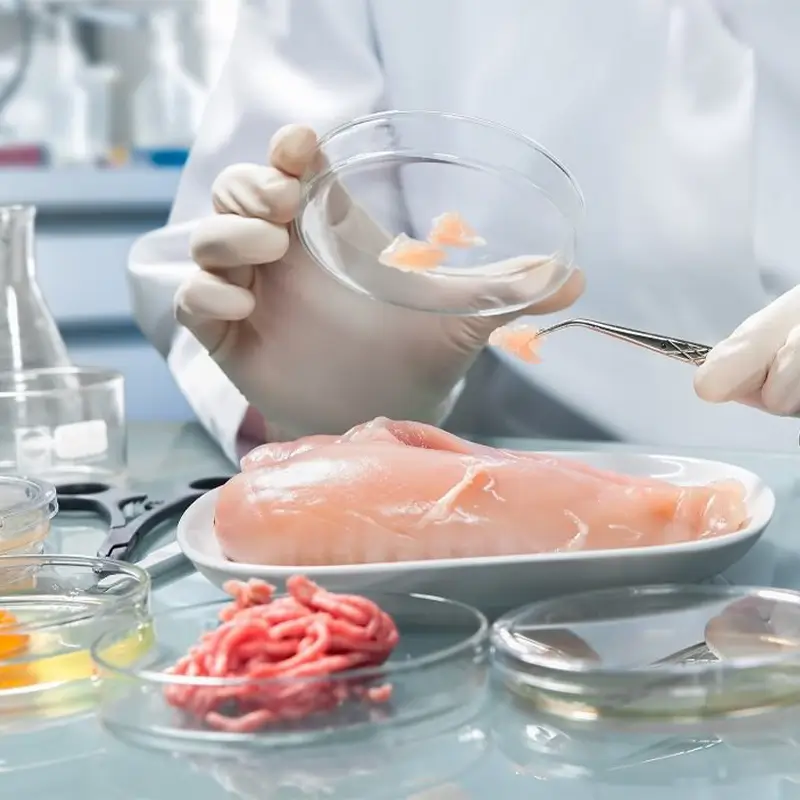
Innovative Food Production via Cellular Agriculture
Cellular agriculture uses controlled cell cultivation to produce food without traditional livestock farming, cut natural resource use, and boost food security.
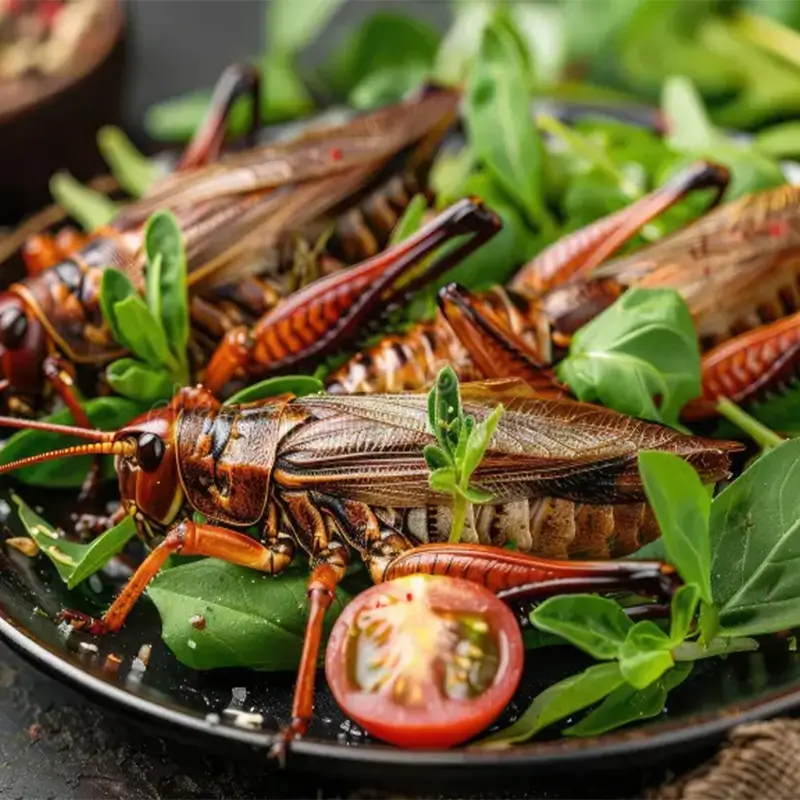
Sustainable Edible Insects Market in Food Sector
Edible insect market, powered by modern technology and resource efficiency, enables sustainable protein supply and broadly fosters economic growth and healthy nutrition.