
Norway’s Aquatic Supply Chain Analysis
Comprehensive Analysis of the Aquatic Supply Chain in Norway: Opportunities and Challenges
The aquatic supply chain refers to the series of processes and activities encompassing the production and cultivation of aquatic species to their final consumption by humans. This chain includes stages such as aquaculture, fishing, processing, packaging, distribution, and ultimately, consumption. In recent years, the importance of the aquatic supply chain has grown significantly due to the increasing global population and the need for sustainable and healthy food sources. This article examines the various components of the aquatic supply chain, the challenges and opportunities in this sector, and its impact on the economy and environment, with a special focus on Norway.
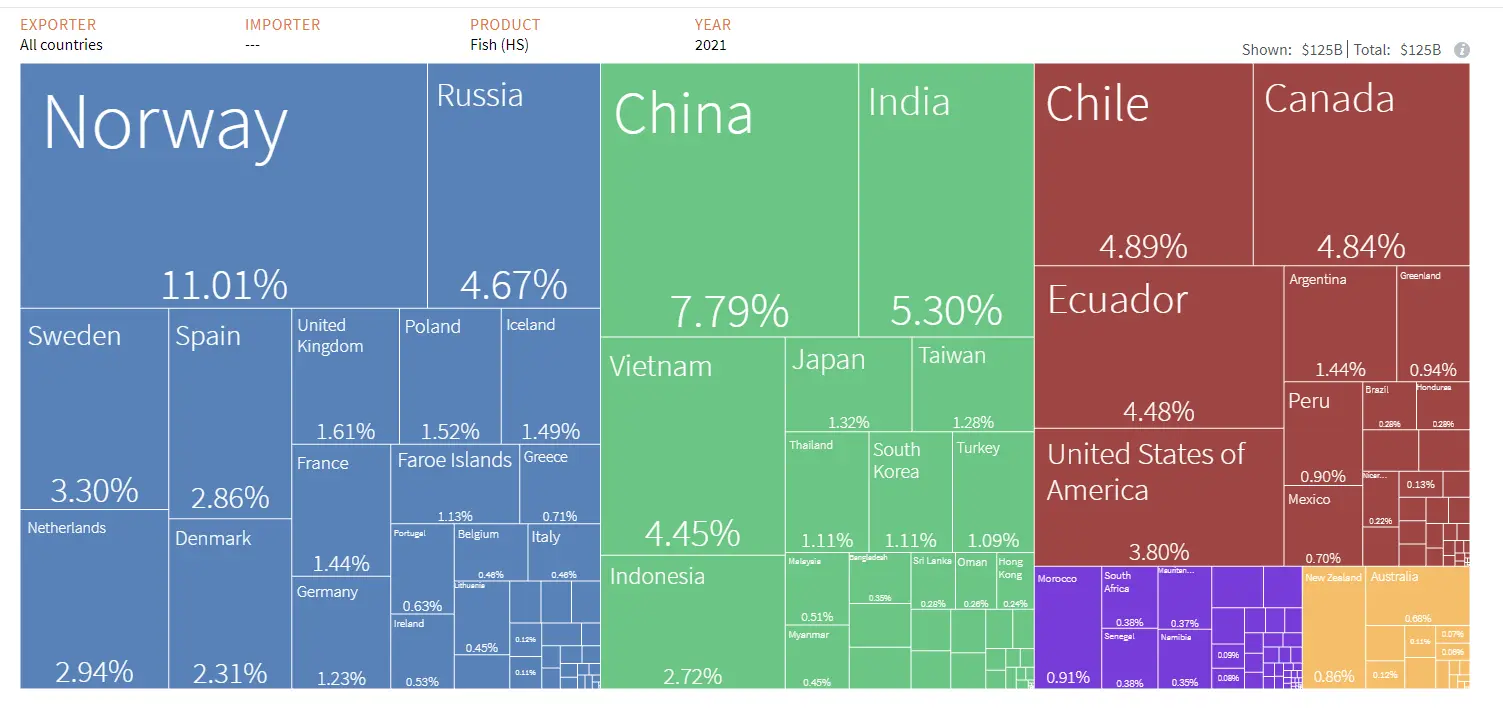
Norway is one of the world’s largest exporters of fish and seafood products, accounting for approximately 11% of global exports in the Fish HS92-03 category in 2021. Due to its extensive coastline, cold and clean waters, and long-standing fishing tradition, Norway has emerged as a global leader in both fisheries and aquaculture.
The export of fish and seafood products is a crucial pillar of Norway’s economy. After oil and natural gas, this industry is the second-largest source of foreign currency revenue for the country.
Aquaculture and Seafood Production in Norway
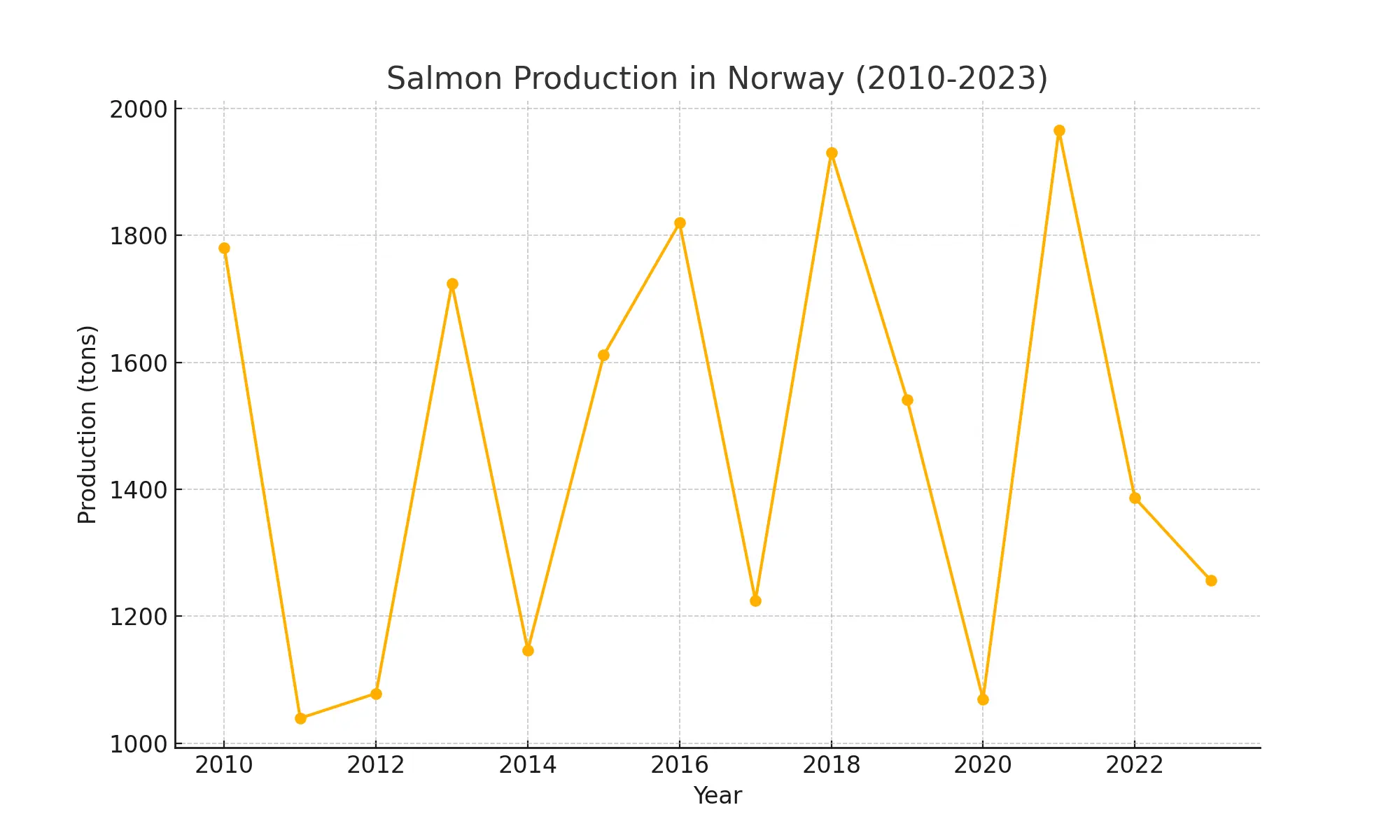
Norway is a global leader in the aquaculture and seafood production industry. With its extensive coastline and pristine, cold waters, the country offers ideal conditions for fish farming, particularly for Atlantic salmon. By leveraging advanced technology and innovative farming methods, Norway has become one of the largest exporters of farmed salmon in the world. In 2023, the country’s salmon production exceeded 1.3 million tons, demonstrating steady growth in this industry.
Salmon farming in Norway involves multiple stages, including breeding, feeding, and maintenance in controlled environments. This industry is highly valued for producing high-quality products while alleviating pressure on natural resources. However, challenges such as fish diseases and water pollution must be effectively managed.
Fishing Industry in Norway
The fishing industry plays a crucial role in Norway’s economy. In 2023, Norway harvested over 2.7 million tons of fish from its seas, primarily consisting of cod and herring. Industrial fishing is carried out using advanced equipment and large fishing vessels, allowing Norway to be one of the largest fish producers in the world.
Sustainable fishing and aquatic resource management are among Norway’s top priorities. Through strict regulations and policies, the country aims to preserve its natural fish stocks and prevent overfishing. International collaborations also play a significant role in achieving these goals.
Processing and Packaging in Norway
After being harvested or farmed, seafood requires processing and packaging to be delivered in a consumer-ready form. Norway has implemented advanced technologies in seafood processing and packaging, improving product quality and extending shelf life. In 2023, the added value from seafood processing in Norway exceeded €5 billion.
Processing includes stages such as cleaning, filleting, freezing, and adding preservatives. Eco-friendly and biodegradable packaging solutions help reduce environmental pollution. Norway is a pioneer in developing environmentally friendly packaging to minimize its ecological footprint.
Distribution and Market in Norway
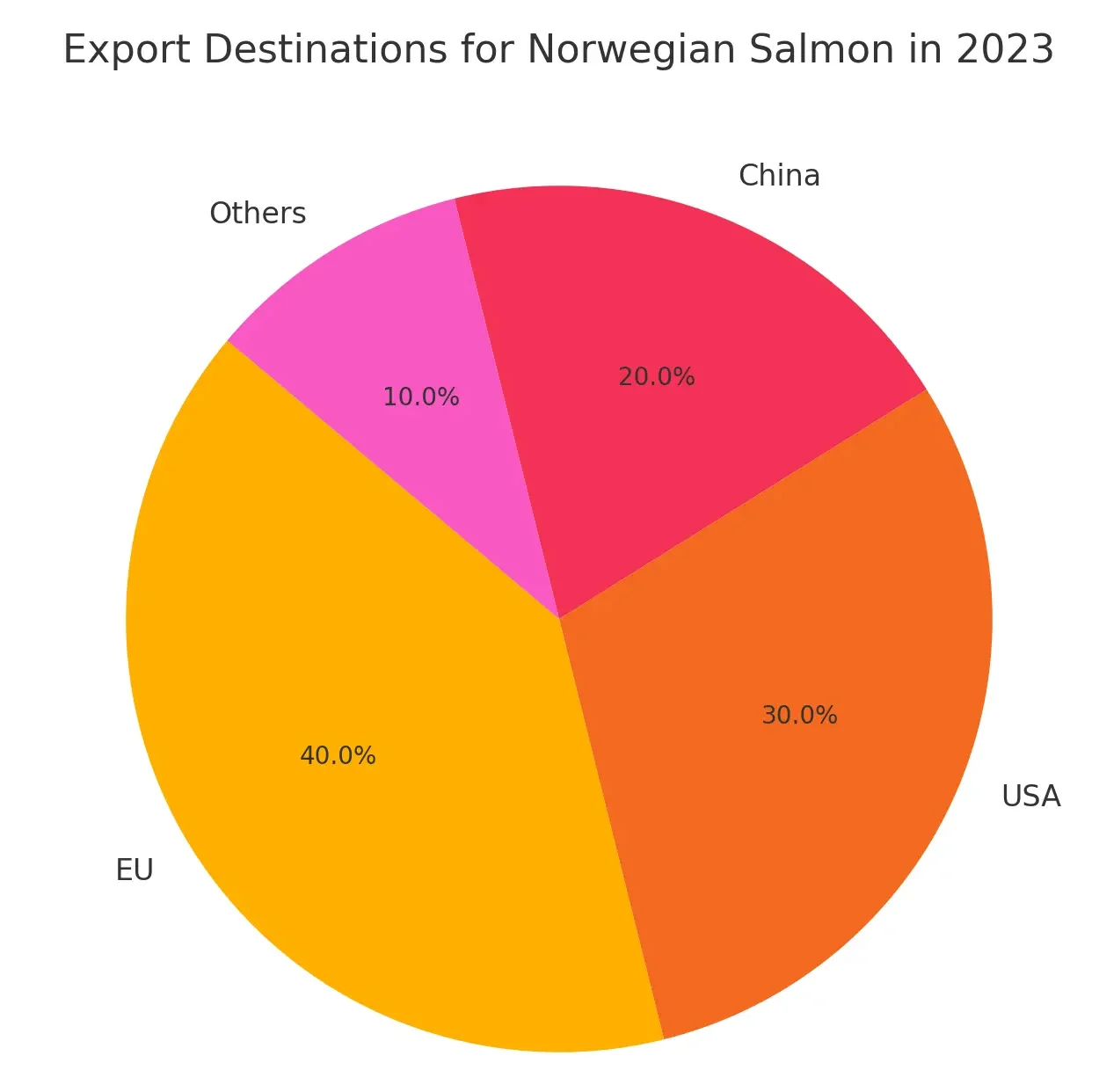
The distribution and marketing of seafood in Norway involve transporting products from production or processing sites to domestic and international markets. This phase requires robust infrastructure, including roads, refrigerated transport fleets, and extensive distribution networks. In 2023, Norway exported over 90% of its seafood production to more than 150 countries worldwide. More than 90% of Norway’s salmon production is exported to other nations, with the European Union, the United States, and China being the primary markets for Norwegian seafood exports.
The seafood market in Norway includes local markets, retail chains, restaurants, and international exports. By expanding into new markets and increasing exports, Norway has contributed to economic growth and the creation of more job opportunities.
Challenges and Opportunities in Norway’s Aquatic Supply Chain
Norway’s aquatic supply chain faces several challenges, including climate change, environmental pollution, fish diseases, unsustainable resource utilization, and the need for significant investments in infrastructure. To address these challenges, Norway employs sustainable and innovative approaches and strengthens international cooperation in aquatic resource management.
On the other hand, the aquatic supply chain in Norway presents numerous opportunities. The growing demand for seafood as a healthy and nutritious food source, advancements in aquaculture and processing technologies, and the adoption of innovative resource management methods can contribute to the industry’s growth and development.
Economic and Environmental Impacts in Norway
The aquatic supply chain has a significant impact on Norway’s economy and environment. Economically, it contributes to job creation, increased income for fish farmers and fishermen, and the expansion of foreign trade. In 2023, the seafood industry directly and indirectly created over 70,000 jobs in Norway. Additionally, aquaculture serves as a stable source of income for rural and coastal communities.
Environmentally, aquaculture and fishing contribute to biodiversity conservation, reduce pressure on natural resources, and enhance water resource management. However, unsustainable resource utilization and environmental pollution pose threats to aquatic ecosystems and biodiversity. Therefore, sustainable and responsible management of aquatic resources is of paramount importance.
The aquatic supply chain is a vital component of Norway’s food system, playing a crucial role in providing sustainable and healthy food sources. Given the challenges and opportunities in this sector, Norway utilizes innovative and sustainable approaches for resource management and industry development. International cooperation, infrastructure investment, and the adoption of advanced technologies have improved the quality and efficiency of the aquatic supply chain. Ultimately, considering the economic and environmental impacts of the industry can lead to a more sustainable and responsible food system in Norway.