

Early HAB Warning for Marine Cage Farms
An HAB warning system combining satellites, smart buoys, and eDNA can turn harmful algal bloom risk in marine cage farms into decision metrics, operational monitoring, loss reduction, harvest management, and investor confidence.

Marine Hatchery Selective Genomics: Fry Growth
By linking SNP data to growth, survival, and disease-resistance phenotypes, selective genomics turns marine hatcheries from breeding units into hubs for fry quality control, disease-risk reduction, and sustainable blue food security.
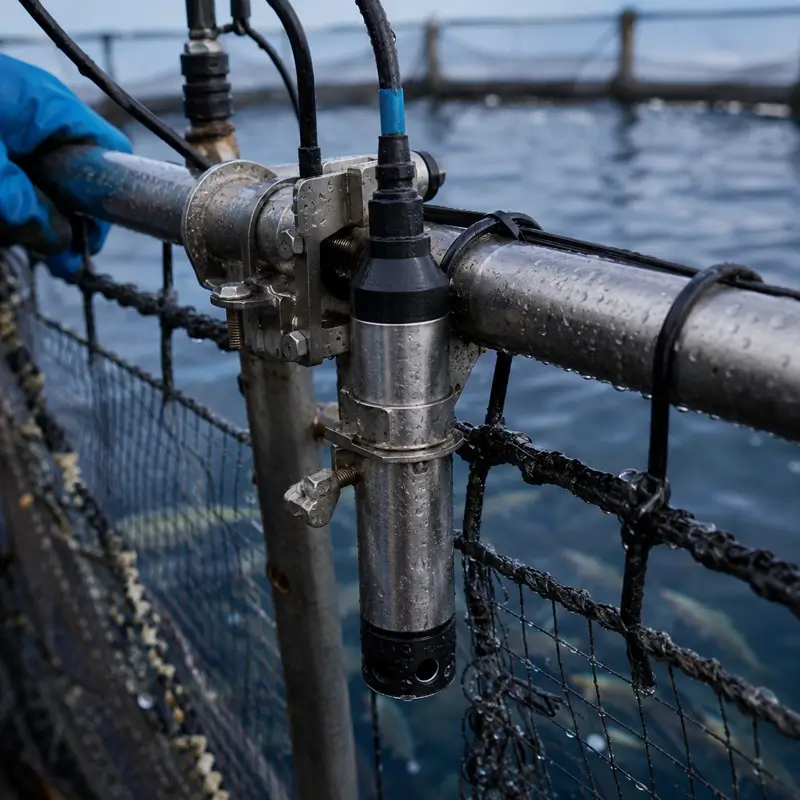
Marine Cage Climate Insurance; Blue Economy
Marine cage climate insurance connects ocean data, local sensors, and technical standards, translating risks from marine heatwaves, storms, and oxygen drops into the language of investment, food security, and Iran’s blue economy.

IMTA for a Sustainable Blue Economy
Integrated multi-trophic aquaculture links fish cages with shellfish and seaweed, turning part of the waste into harvestable biomass and creating a pilot path for Iran’s coasts with monitoring, lower risk, and added income.
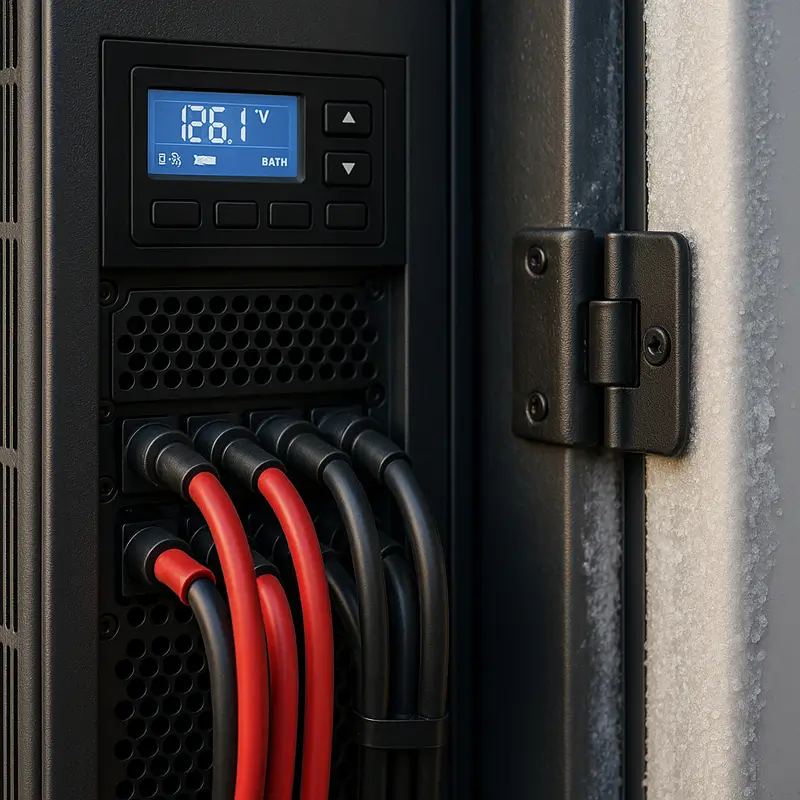
Rural cold chain resilience with UPS, virtual generator, and loss reduction
A rural cold chain stabilizes with a UPS as backup and participation in a virtual power plant; with pre-cooling, temperature logging, and better energy use, losses and costs drop.

Greenhouse CO2: chemical absorption & scrubber design
Greenhouse CO₂ management with capture–release scrubbers ensures clean supply, 800–1,000 ppm control, standards compliance, and optimized heat integration.
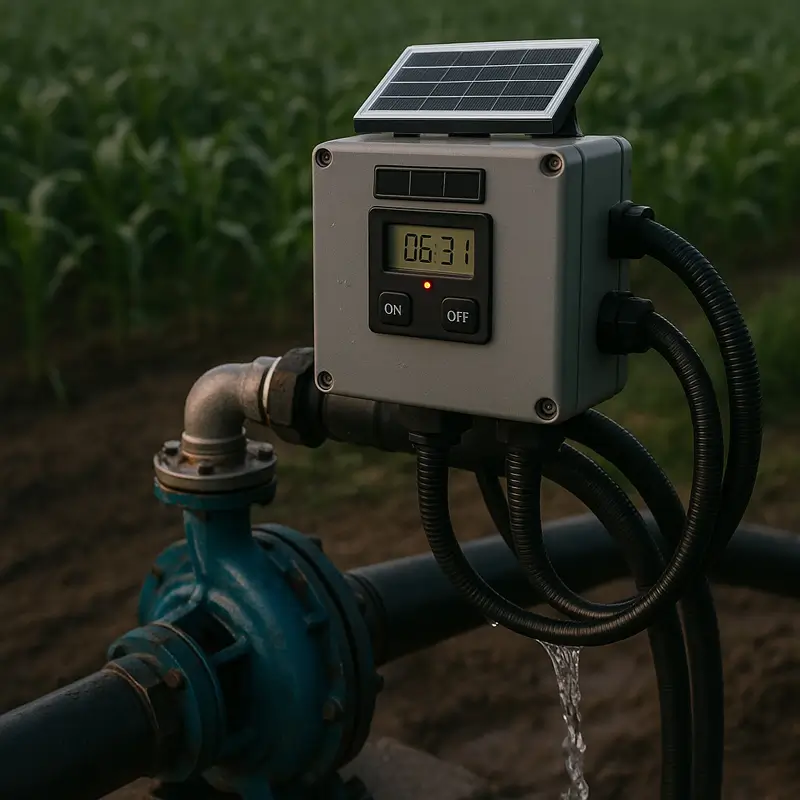
Smart Scheduling of Irrigation and Pumping Based on Real-Time Electricity Prices
Price-responsive scheduling of pumping and irrigation cuts energy use and cost, lowers peak network pressure, and preserves water supply quality without reducing irrigation uniformity.
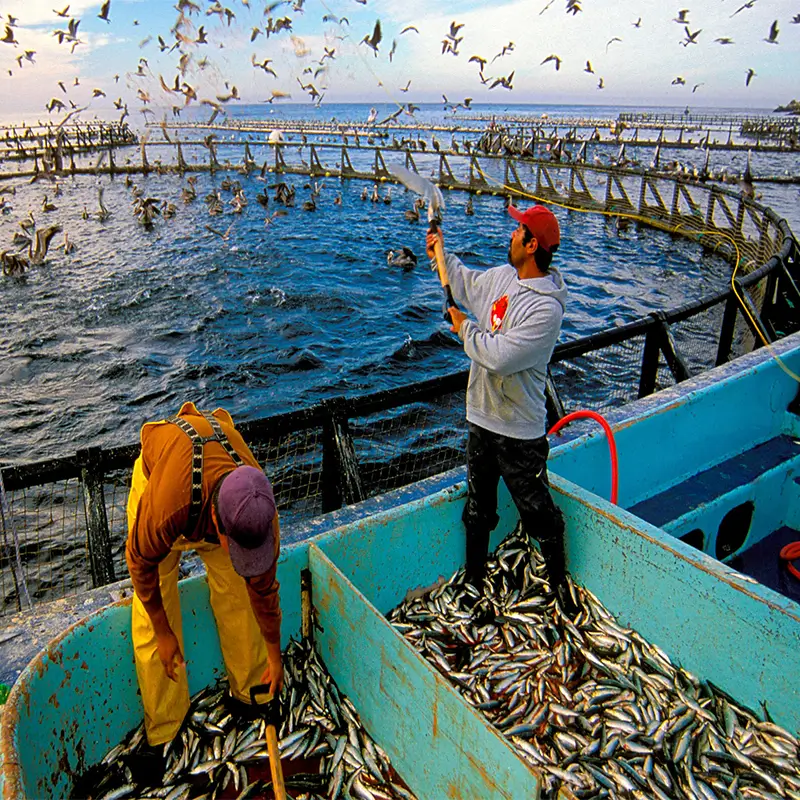
Cage Fish Farming: A Sustainable Solution
Cage fish farming is eco-friendly and cost-effective, reducing expenses and improving quality. Advanced tech and management boost profits and trade.
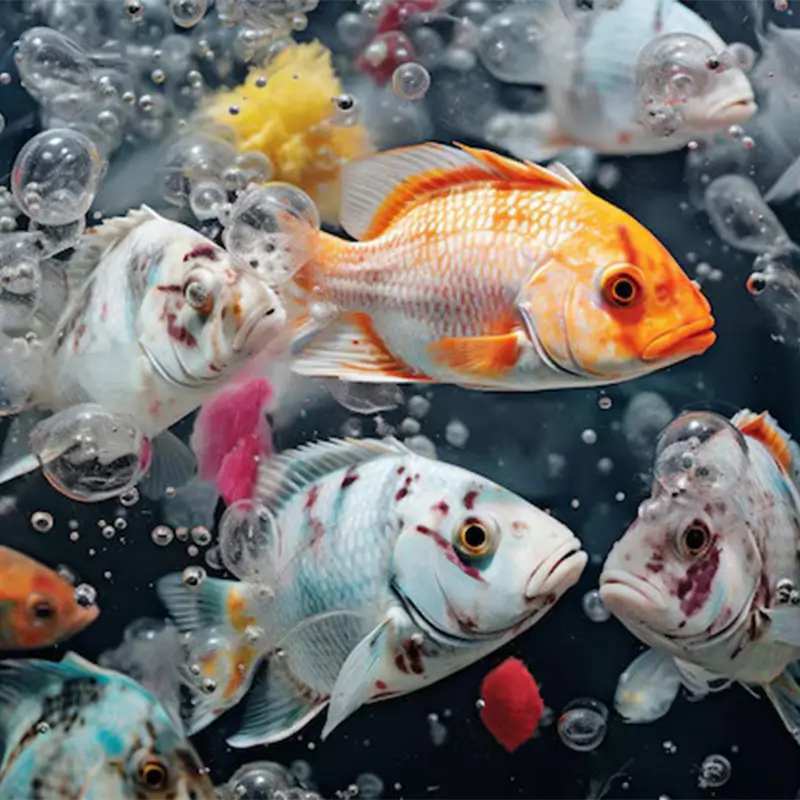
Norway’s Aquatic Supply Chain Analysis
As a top seafood exporter, Norway relies on advanced tech and sustainable management to ensure a stable, healthy food supply.
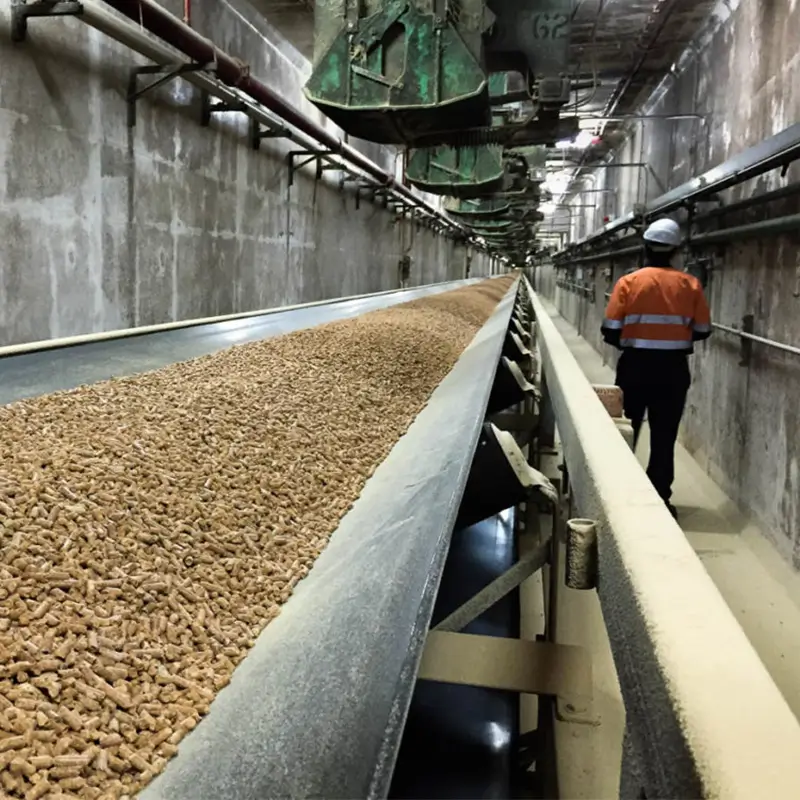
What Is Agricultural Pelleting?
Pelleting compresses raw materials into dense pellets, easing transport, reducing waste, and serving as biofuel or animal feed.