
What Is Agricultural Pelleting?
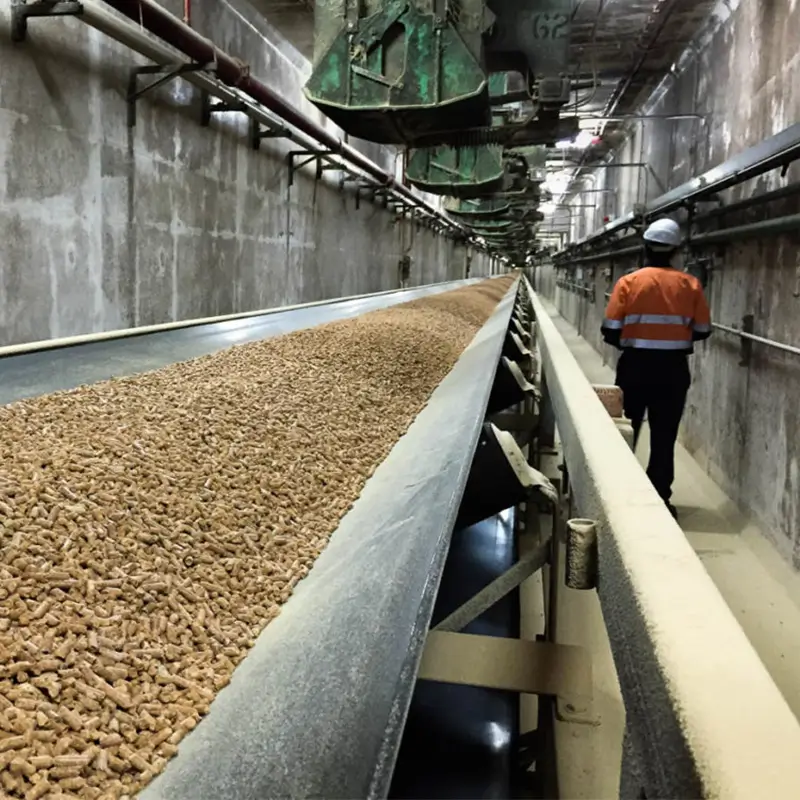
Pelletizing Agricultural Products: Transforming Ground Feed into Compact Pellets
Modern agriculture has embraced new methods and techniques to enhance productivity. One such widely adopted technique is pelletizing agricultural products. Pelletizing compresses raw materials into dense pellets, offering numerous advantages for agriculture. This article explores the world of agricultural pelletizing, its applications, benefits, and its impact on the future of farming.
What is Pelletizing?
Pelletizing is a process in which agricultural materials are compressed into small, dense pellets or granules. This technique not only facilitates easier handling and transportation but also enhances environmental efficiency as a renewable energy source. The essence of pelletization lies in its ability to convert various agricultural byproducts, such as straw, husks, and other plant residues, into high-density, energy-rich forms. The process begins with the collection and preparation of raw materials.
The importance of pelletizing extends beyond the convenience of feeding livestock. By repurposing agricultural residues—materials that would otherwise contribute to environmental pollution—it provides an effective waste management solution. Additionally, pellets offer a cleaner combustion process compared to raw biomass, reducing greenhouse gas emissions and promoting sustainable energy practices.
In the global energy demand landscape, the role of pelletizing as a sustainability marker becomes evident, bridging the gap between abundant agricultural waste and the increasing need for renewable energy sources. As the world moves towards eco-friendly solutions, pelletizing not only serves as a viable alternative to fossil fuels but also supports rural economies by adding value to agricultural byproducts. Thus, pelletizing is not just a process—it represents a step toward a greener future, embodying circular economy principles where waste is transformed into wealth.
Key Processes in Pellet Production
Pellet production is a complex process that transforms raw biomass into compressed, energy-rich pellets suitable for fuel. Below are three key processes involved in pellet production:
- Raw Material Preparation: The first step in pellet production involves gathering raw materials, typically consisting of agricultural residues such as sawdust, wood chips, and shavings. These raw materials must be cleaned and uniformized to remove impurities like excess bark, metals, or other non-wood materials. The quality of raw materials is crucial, as it directly affects the efficiency and quality of the final pellets. Pre-treatment may involve crushing or grinding the raw materials to ensure uniform size and density, facilitating the pelletization process.
- Drying: Moisture control is a critical factor in pellet production. To ensure high pellet density and efficient combustion, the raw material must be dried to a specific moisture level, typically below 10%. Drying is usually carried out using rotary dryers or other specialized equipment. The goal is to achieve a balance where the material is dry enough to form stable pellets while retaining sufficient moisture for proper binding during the pelletization process.
- Pelletization and Packaging: This is the most critical stage of pellet production, where the dried and prepared raw material is converted into compact pellets using a pellet mill. The process involves pressing the material through dies under high pressure, causing the biomass to heat up and compress into cylindrical pellets. The pellets are then cooled to harden and stabilize their shape before being screened to remove fines and ensure uniform size. After pelletization, the pellets are packed in bags or containers for storage or sale. Packaging protects the pellets from moisture and other environmental factors that could compromise their quality.
Throughout these processes, monitoring and adjusting parameters such as temperature, pressure, and pellet size are crucial for optimizing production and ensuring the highest pellet quality. Advanced technologies and machinery help maintain control over these variables, resulting in efficient and sustainable pellet production.
In summary, pellet production involves a series of intricate steps, each essential to producing high-quality biomass pellets. From the initial raw material preparation to the final packaging, attention to detail and precision at each stage ensure that pellets are suitable for use as a clean and renewable energy source.
Benefits of Pelletizing Agricultural Products
Pelletizing agricultural products is a process that converts loose biomass materials such as straw, sawdust, or grass into small, dense pellets. This technology offers several benefits that can significantly enhance the efficiency and sustainability of agricultural practices. Below are some key advantages:
- Energy Efficiency: One of the primary benefits of pelletizing agricultural products is improved energy efficiency. Compressing biomass into pellets reduces material volume, which in turn lowers storage space and transportation costs. Compared to raw biomass, pellets have a higher energy density, meaning they can generate more energy per unit mass while maintaining efficiency.
- Waste Reduction: Pelletizing helps manage agricultural waste by transforming byproducts that would otherwise be discarded into valuable commodities. This not only minimizes waste but also contributes to a circular economy where resources are used more effectively.
- Ease of Handling: Pellets are easier to handle, store, and transport than loose materials. They flow smoothly through machinery and can be easily fed into boilers and furnaces for combustion. Their uniform shape and size also enable automated systems, reducing labor costs and minimizing human error.
- Environmental Benefits: By converting agricultural waste into pellets, greenhouse gas emissions from decomposing biomass are reduced. Pellets burn much more efficiently than raw biomass, producing fewer pollutants such as particulate matter and volatile organic compounds. This contributes to better air quality and a reduced carbon footprint.
- Market Opportunities: Pelletized products can open new markets for farmers and agribusinesses. Pellets can be used not only as fuel but also as animal bedding, soil conditioners, and other value-added products. This diversification can create additional revenue streams and enhance the economic resilience of agricultural communities.
- Consistency and Quality: Pelletizing allows for standardization of biomass fuels. By controlling the parameters of the pelletization process, producers can ensure consistent moisture content, size, and calorific value—important factors for end users, particularly in the energy sector.
- Long-Term Storage: Pellets are less susceptible to degradation compared to raw biomass. They can be stored for extended periods without losing their energy content, enabling strategic stockpiling and year-round supply availability.
In conclusion, pelletizing agricultural products provides numerous advantages, including more efficient energy use, waste reduction, and environmental sustainability. It also offers economic benefits by creating new market opportunities and improving product transportation and storage.
Common Types of Pelletizing in Agriculture
Several common types of pelletizing are used in agriculture, including:
- Feed Pelletizing: This involves compressing feed materials into pellets for livestock and poultry. Feed pellets provide a balanced diet and are easier for animals to consume and digest.
- Fertilizer Pelletizing: Organic fertilizers are compressed into pellets to improve ease of application and nutrient release in the soil. Pelletized fertilizers help with efficient nutrient management and minimize nutrient loss.
- Seed Pelletizing: Seeds are coated or encapsulated with materials to form pellets for easier planting and handling. Pelletized seeds can improve germination rates and offer protection against pests and diseases.
- Biomass Pelletizing: Agricultural residues, wood chips, or other biomass materials are compressed into pellets for use as biofuel. Biomass pellets provide a sustainable energy source and help reduce agricultural waste.
These are just a few examples of the common pelletization processes used in agriculture to improve efficiency, convenience, and effectiveness in various farming applications.
Factors Affecting Pellet Quality
Enhancing the quality and final output of the pelletizing process depends on several key factors:
- Raw Material Composition: The chemical composition of biomass varies across species and even within the same species, depending on habitat, age, and plant parts. Key components—carbon, oxygen, nitrogen, and hydrogen—determine thermal value, while hemicellulose, cellulose, lignin, and extractives influence mass reduction during dehydration.
- Raw Material Properties: Biomass properties, such as moisture content and particle size, are highly sensitive to variations in raw materials. A comprehensive understanding of the mechanical, physical, and chemical properties of biomass is essential to predict its thermal behavior during pelletization.
- Pellet Mill Performance: The energy required for compression and the throughput of the pellet mill directly affect pellet quality. For example, fibrous feedstocks such as bagasse or bran require higher energy input for compression, resulting in denser pellets.
- Post-Pelletization Operations: Supporting processes such as conditioning and cooling are essential. Conditioning at high temperatures (80–85°C) helps with starch gelatinization, improving pellet durability. Proper cooling ensures pellet hardening and stabilization, reducing breakage risks. These factors are interrelated, and optimizing them can lead to higher yields, improved pellet quality (measured by the Pellet Durability Index), and better digestibility in animal feed applications. A balance between chemistry, physics, and operational expertise defines successful pellet production.
Challenges and Solutions in Pelletizing
Pelletizing agricultural products comes with several challenges that producers must address to ensure high-quality output. One common challenge is the variability in raw material composition, which can impact pellet binding properties and consistency. To overcome this, producers can implement strict quality control measures such as testing and sorting raw materials based on their composition before pelletization. This ensures uniformity and improves overall pellet quality.
Another challenge is the presence of contaminants or impurities in raw materials, which can affect pellet quality and performance. Producers can mitigate this by implementing pre-processing steps such as cleaning, grinding, or sieving raw materials to remove impurities before pelletization.
Additionally, using additives or binders can improve material binding properties and reduce the impact of contaminants on the final product. Maintaining consistent pellet quality throughout production is another hurdle. Variations in factors such as temperature, pressure, and feed rate can result in inconsistencies in pellet quality.
To counter this, producers can implement process control systems that monitor and adjust these parameters in real time to ensure pellet quality. Regular maintenance and calibration of pelletizing equipment are also essential to prevent fluctuations in pellet consistency.
Storage and transportation present further challenges, as improper handling can lead to pellet degradation or contamination. Producers can mitigate these risks by employing proper storage and handling techniques, such as keeping pellets in dry, well-ventilated areas and using appropriate packaging materials for transport.
Overall, addressing these challenges through effective quality control measures, process optimization, and proper storage and handling techniques can help producers overcome obstacles in agricultural pelletizing and ensure high-quality output.
The Future of Pelletizing in Agriculture
The future of pelletizing in agriculture looks promising as a sustainable and efficient method for processing and utilizing agricultural products. Pelletizing offers numerous advantages, including improved storage and transportation efficiency, reduced waste, and enhanced product quality.
With continuous advancements in pelletizing technology, the agricultural industry is likely to see further innovations and improvements in pelletization techniques. One key aspect of the future of agricultural pelletizing is the development of more advanced and specialized pelletizing equipment.
Innovations in machinery and technology could lead to increased automation, higher production capacity, and improved pellet quality. This could result in more cost-effective and environmentally friendly pelletizing processes, making them an attractive option for agricultural producers.
Furthermore, integrating digital technologies and data analytics into pelletizing processes could enhance efficiency and productivity. Real-time monitoring and control systems can optimize process parameters, improve product consistency, and reduce energy consumption. This could lead to more sustainable and efficient pelletizing methods in agriculture.
The future of agricultural pelletizing may also involve exploring new feedstock sources and alternative materials for pellet production. By utilizing agricultural residues, biomass, and other organic materials, pelletizing can help reduce waste and promote circular economy principles. Research and development efforts in this field could lead to the creation of new pellet products with unique properties and applications.
Overall, the future of pelletizing in agriculture is bright, driven by ongoing technological advancements, sustainability, and innovation. By embracing these developments and leveraging the benefits of pelletization, the agricultural industry can enhance efficiency, sustainability, and competitiveness in the global market.