
What is Probiotic Agriculture and Its Benefits?
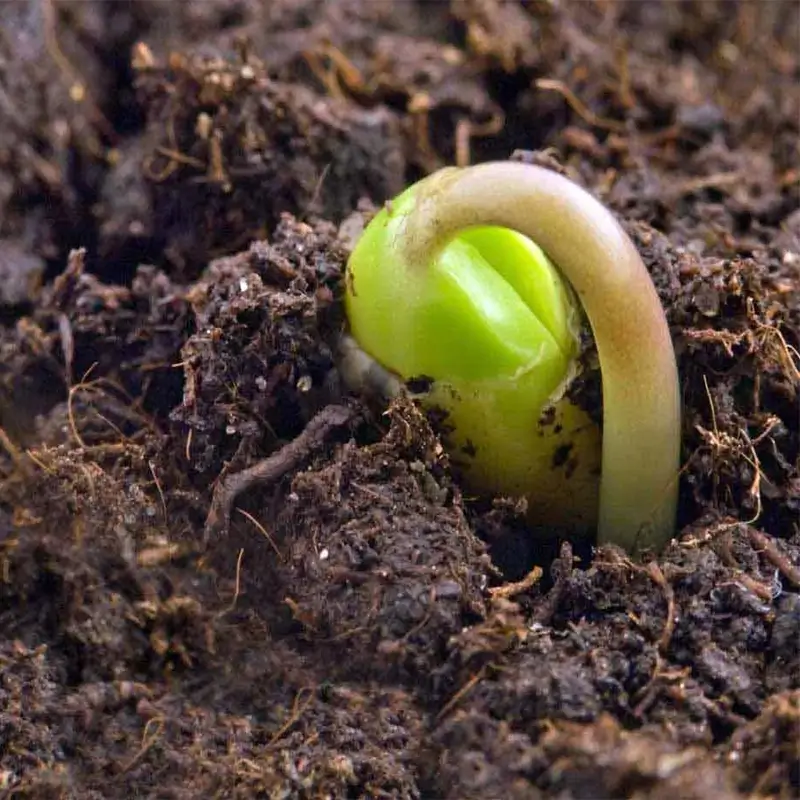
What is Probiotic Agriculture and How Does It Contribute to Soil Health and Plant Growth?
Probiotic agriculture is now recognized as one of the most innovative and sustainable approaches to improving agricultural yields. In this method, the use of beneficial microorganisms to strengthen soil structure, enhance nutrient uptake, and improve plant health is proposed as a natural alternative to chemical fertilizers and pesticides. The global trend toward sustainable agriculture and environmental preservation has provided the necessary groundwork for the development of this approach in various countries, including Iran.
Probiotic agriculture is now recognized as one of the most innovative and sustainable approaches to improving agricultural yields. In this method, the use of beneficial microorganisms to strengthen soil structure, enhance nutrient uptake, and improve plant health is proposed as a natural alternative to chemical fertilizers and pesticides. The global trend toward sustainable agriculture and environmental preservation has provided the necessary groundwork for the development of this approach in various countries, including Iran.
What is Probiotic Agriculture?
Probiotic agriculture refers to the utilization of beneficial microorganisms, including helpful bacteria and fungi, to improve soil health and boost plant growth. This approach enhances crop performance by strengthening the soil’s microbial flora, improving nutrient uptake, fixing nitrogen, and stimulating the production of growth hormones. Using these microbes as an alternative to chemical fertilizers reduces environmental pollution and improves the quality of agricultural products.
Numerous scientific studies have shown that the application of beneficial microorganisms in agriculture not only improves the physical and chemical structure of the soil but also increases its biological activity. According to Dr. Mohammad Reza Shariatpanahi, a faculty member at the Agricultural Biotechnology Research Institute, this method “has been able to increase crop yields by up to about thirty percent by enhancing the soil’s microbial system.”
– Dr. Mohammad Reza Shariatpanahi: “The use of beneficial microorganisms in agriculture can lead to improved soil quality and increased agricultural production.”
Research has indicated that using probiotics not only reduces the need for chemical fertilizers but also plays a crucial role in maintaining biological balance and the stability of agricultural ecosystems. In some experimental regions, farmers employing this method have witnessed significant improvements in soil fertility and reductions in production costs.
With the growing trend of scientific research in sustainable agriculture, the use of probiotics as an innovative and proven approach in countries such as India and China has raised high hopes for localizing this technology in Iran.
The Role of Beneficial Microorganisms in Improving Soil and Plants
– Enhancing Soil Fertility with Live Microorganisms
Beneficial microorganisms, such as Plant Growth-Promoting Rhizobacteria (PGPR), play a key role in improving soil structure and enhancing its fertility. These microbes help by fixing nitrogen, solubilizing mineral phosphates, and producing organic compounds, which not only increases nutrient availability but also improves soil structure.
According to Dr. Saeed Hashemi and Dr. Zahra Ahmadzadeh of the University of Tehran, “Plant probiotics are compatible with any agricultural system, including organic systems, and play a special role in environmental protection, reducing the need for chemical pesticides, preserving and improving soil structure, and providing food for the world’s growing population.” This highlights the importance of modern biological methods compared to traditional chemical-based approaches.
– Dr. Saeed Hashemi: “Plant probiotics are compatible with any agricultural system and help maintain optimal soil structure.”
In contrast, traditional methods based on chemical fertilizers may, in the long term, lead to a decrease in microbial activity and the degradation of soil structure. A reduction in soil microbial diversity can diminish the soil’s ability to withstand harsh climatic conditions and increase plant vulnerability to diseases.
Based on various studies, the use of beneficial microorganisms in improving soil not only boosts plant growth but also helps stabilize the soil against erosion and reduces groundwater depletion. This approach lays the foundation for achieving sustainable agriculture and preserving natural resources.
Reducing the Use of Chemical Fertilizers and Environmental Impacts
– Environmental Impacts of Excessive Use of Chemical Fertilizers
Excessive use of chemical fertilizers in agriculture has gradually led to serious environmental problems. Groundwater pollution, reduced biodiversity, degradation of soil structure, and an increased risk of diseases due to the use of chemical pesticides are among the negative consequences of these traditional practices.
According to reports published by SAPL Company, “Improper and excessive use of chemical fertilizers can lead to serious environmental problems.” This suggests that shifting towards the use of natural resources and probiotics can significantly reduce the harmful effects of chemical fertilizers.
– SAPL Company Representative: “Utilizing natural fertilizers and beneficial microorganisms is a proven solution for reducing environmental pollution.”
By replacing chemical fertilizers with beneficial microorganisms, it is possible not only to improve soil fertility but also to prevent environmental issues such as the deterioration of groundwater quality. This shift in approach in advanced countries has led to a significant reduction in environmental footprints and enhanced the sustainability of agricultural ecosystems.
Furthermore, reducing the consumption of chemical fertilizers results in lower production costs and increased crop productivity. According to some international studies, probiotic methods can reduce chemical fertilizer use by up to about 30 percent, making them economically viable.
Global Experiences in the Use of Probiotics in Agriculture
– Successful Examples in Advanced Countries
Globally, the use of probiotics in agriculture has been recognized as an innovative and effective solution. Countries such as India, China, and several European nations have seen significant improvements in crop performance and a reduced reliance on chemical fertilizers through the use of beneficial microorganisms.
For example, in India, the use of bio-fertilizers and probiotics has resulted in a 25 to 40 percent increase in crop yields and improved soil quality. These successes have been achieved through extensive educational programs, governmental support, and the application of modern technologies in the production and distribution of these products.
Similarly, in China, numerous studies have shown that the use of beneficial microorganisms in agricultural systems can dramatically reduce the consumption of chemical fertilizers and help maintain ecological balance. According to an article on the Vatann-Bio website, “Microbial methods reduce dependence on synthetic fertilizers, pesticides, and the ecological footprint of agriculture.”
– Experts from Royan Tisan Sabz: “Global success stories show that the use of probiotics is an effective strategy for increasing sustainability and productivity in agriculture.”
Furthermore, European countries, by establishing extensive research networks and knowledge transfer systems, have improved the quality of agricultural products through the use of beneficial microorganisms. By setting environmental standards and supporting organic agriculture, these countries have minimized the negative impacts of chemical fertilizers.
Global experiences indicate that if modern technologies are utilized and appropriate training programs are provided for farmers, the use of probiotics can not only improve product quality but also protect the environment and enhance economic stability in the agricultural sector.
Feasibility and Challenges of Probiotic Agriculture in Iran
Given Iran’s high agricultural potential and its long history of food production, adopting probiotic agriculture could pave the way for a fundamental transformation in the agricultural system. On one hand, government support and increased awareness of sustainable agriculture have provided the necessary conditions for the adoption of this technology, while on the other hand, challenges such as the lack of appropriate infrastructure for bio-fertilizer production and resistance among some farmers to new methods persist.
According to reports from several research centers and universities in Iran, using beneficial microorganisms in various regions of the country can reduce chemical fertilizer consumption by approximately 20 to 30 percent and help improve soil structure. This, combined with lower production costs and increased crop productivity, constitutes the economic benefits of this technology.
Moreover, for the successful localization of probiotic agricultural technologies, there is a need to establish the appropriate infrastructure, invest in scientific research, and organize extensive training courses for farmers. Creating communication networks among research centers, universities, and companies active in biological agriculture can play a significant role in accelerating the transfer of knowledge and technology.
– Senior Researcher at the Agricultural Biotechnology Center: “With the establishment of necessary infrastructure and continuous training, probiotic agriculture can become one of the main factors in improving productivity and protecting the environment in Iran.”
The experiences of successful countries in adopting this technology demonstrate that in addition to government support, the role of the scientific and research community in disseminating successful practices is of particular importance. Therefore, close cooperation among various agricultural institutions can help foster the growth of this technology in Iran.
Despite existing challenges, Iran’s potential in terms of climate, arable land, and skilled human resources lays the foundation for the rapid adoption of modern technologies such as probiotic agriculture. If infrastructural challenges are overcome and a culture of innovation is embraced among farmers, significant achievements in reducing chemical fertilizer use can be attained.
The Future of Agriculture Without Chemical Fertilizers: A Sustainable Revolution
With the growing global awareness of environmental issues and human health, the future in which agriculture without chemical fertilizers becomes a reality is drawing ever closer. The use of probiotics and beneficial microorganisms can be seen as a sustainable revolution in the agricultural industry—a revolution that leads to increased productivity, conservation of natural resources, and the creation of a sustainable value chain.
In recent years, international research has shown that adopting biological farming methods not only improves soil health and reduces negative environmental impacts but also enables a 20 to 40 percent reduction in costs related to chemical fertilizers. These achievements are economically beneficial for farmers and have been recognized as a successful model worldwide.
The integration of modern information technologies, precise monitoring systems, and the use of big data in agriculture can enhance the performance of beneficial microorganisms and increase their effectiveness in agricultural soils. This approach lays the groundwork for the development of smart agriculture systems, allowing for more precise control over resource usage.
– Senior Sustainable Agriculture Expert: “The integration of modern technologies with the use of beneficial microorganisms can revolutionize the agricultural industry and significantly aid in environmental preservation.”
Given the growing trend in sustainable agriculture research, it is expected that in the near future we will witness increased governmental and private investments in this field. These investments, especially in research and the development of modern technologies, could lead to overall improvements in the agricultural system and a reduced dependency on traditional methods.
The main challenge on this path is changing the mindset and consumption culture among farmers; however, by presenting successful empirical results and drawing on global experiences, this change can be achieved rapidly. Using probiotics alongside modern irrigation methods and smart management systems can lead to the production of high-quality organic products and an increase in agricultural exports.
Scientific Recommendations for Agricultural Transformation
Overall, probiotic agriculture is regarded as an innovative and scientific method for improving soil health, increasing crop productivity, and reducing negative environmental impacts. The use of beneficial microorganisms can serve as a bridge between traditional practices and modern technologies, laying the foundation for sustainable agricultural development.
Based on international research findings and the successful experiences of various countries, it is recommended that policymakers and agricultural authorities, in close collaboration with universities and research centers, provide the necessary framework for transferring probiotic technologies to the agricultural sector. Investment in applied research and the organization of training workshops to raise farmers’ awareness are among the actions that can lead to the success of this approach.
Furthermore, establishing communication networks among bio-fertilizer producers, researchers, and farmers can play an effective role in exchanging knowledge and successful experiences. These networks, by providing accurate and documented information, can increase farmers’ trust in modern methods and enhance their acceptance among the general public.
From an economic perspective, reducing chemical fertilizer use through beneficial microorganisms leads to lower production costs and increased profitability. Moreover, long-term reduction in the use of chemicals can have numerous positive effects in terms of environmental preservation and public health.
In conclusion, it should be emphasized that transforming the agricultural system requires a comprehensive approach; one that integrates economic, environmental, and social factors alongside the development of modern technologies as a unified solution for achieving sustainable agriculture. This change in mindset, along with government support and private sector encouragement, can position Iran as one of the pioneers in sustainable agriculture.
In this regard, formulating supportive policies, establishing the necessary infrastructure for the production and distribution of bio-fertilizers, and organizing specialized training courses for farmers are essential steps. Additionally, encouraging researchers to conduct field studies and present documented results can greatly help to clarify the positive effects of using probiotics in agriculture.
By implementing these measures, not only can the negative effects of excessive chemical fertilizer use be reduced, but probiotic agriculture can also be introduced as a successful model of sustainable agriculture to other countries. In this context, probiotic agriculture can play a key role as an innovative and inspiring model in the development of the agricultural industry, contributing to the preservation of natural resources and the improvement of people’s quality of life.
Given the critical importance of this subject and the necessity of moving toward sustainable practices, the time has come for everyone to take a significant step in transforming agricultural systems by synergizing knowledge, experience, and technology. This transformation can pave the way for economic growth and environmental preservation by reducing chemical fertilizer use, improving soil health, and increasing crop productivity.
Overall, probiotic agriculture represents a golden opportunity to create a sustainable revolution in the agricultural industry; a revolution in which scientific innovations and advanced technologies, tailored to local conditions and the real needs of farmers, pave the way for the production of healthy, high-quality products.
Relying on global success stories and leveraging the existing potential in the country, it is expected that in the coming years we will witness an increasing expansion in the use of beneficial microorganisms in agriculture. This trend could become one of the main factors in reducing environmental pollution, increasing economic stability, and improving public health both nationally and internationally.
Finally, it is recommended that all stakeholders—including the government, the private sector, universities, and researchers—collaborate through interdisciplinary efforts to implement joint programs for the development and promotion of probiotic agriculture. Such collaborations, through the establishment of innovation centers, organization of international conferences, and creation of communication networks, can significantly facilitate the transfer of knowledge and successful experiences.
Consequently, considering all economic, environmental, and social aspects, probiotic agriculture can be presented as a successful model for transforming the agricultural industry both nationally and globally. This will not only lead to the creation of sustainable jobs and increased agricultural exports but also improve farmers’ livelihoods and protect natural resources.
Looking to the future, it is anticipated that the development of modern technologies in the field of probiotic agriculture, in addition to bringing about fundamental changes in cultivation and production methods, will serve as a driving force for innovation in other related sectors. These innovations may include improvements in irrigation methods, the use of smart monitoring systems, and the application of big data for optimal natural resource management.
Therefore, the transition to probiotic agriculture is not only a necessity for addressing current environmental and economic challenges, but also an opportunity to create a more sustainable and healthier future in the agricultural industry. Accordingly, promoting this technology should be considered one of the strategic priorities in modern agricultural policies.
In conclusion, it should be noted that increasing public awareness and fostering greater interaction among various sectors are among the most important factors for the successful implementation of this innovative approach. Only by establishing a comprehensive and synergistic framework can the desired outcomes in sustainable agriculture be achieved and the environment preserved for future generations.