
Role of Probiotics in Food Safety and Livestock and Poultry Health
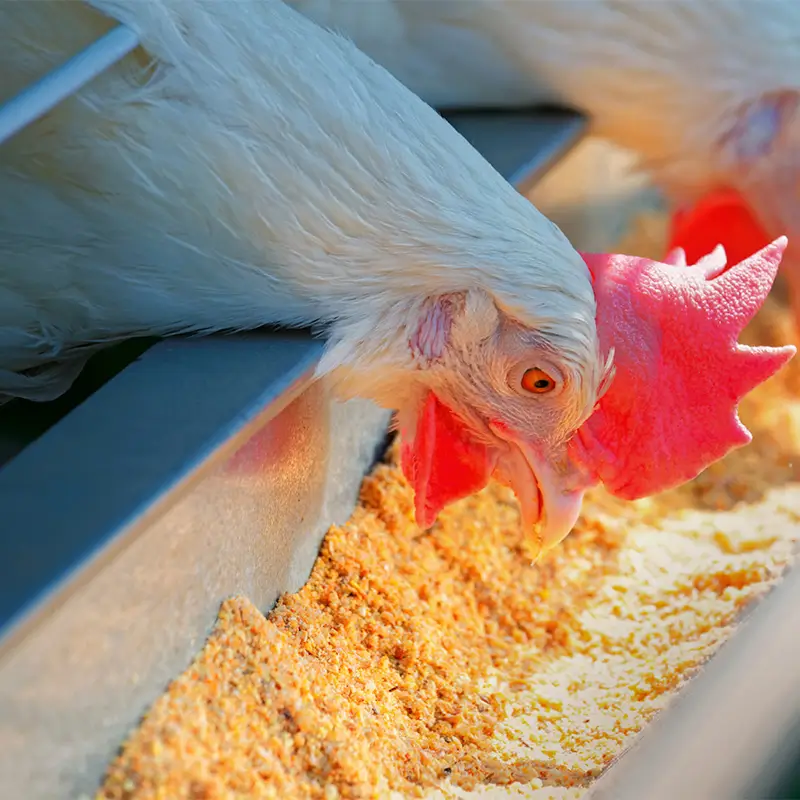
The Role of Probiotics in Enhancing Food Security and Livestock and Poultry Health
In today’s world, food security and livestock and poultry health hold considerable importance and are regarded as key pillars of sustainable economic and social development. The use of probiotics as an innovative approach in livestock and poultry nutrition has revolutionized traditional animal care and performance enhancement methods. This article comprehensively and professionally examines the role of probiotics in enhancing food security and livestock and poultry health, analyzing opportunities and challenges in this field from various scientific, economic, and managerial perspectives.
Given the rapid growth of the global market for probiotics in animal feed, as reported by reputable institutions such as FactMr, it is anticipated that this market will expand from approximately $5 billion in 2022 to more than $12 billion by the end of 2032. Additionally, manufacturers’ focus on emerging markets like India, whose market value surpassed $208.5 million in 2021, indicates significant potential in countries experiencing changing economic conditions.
Furthermore, utilizing probiotics in livestock and poultry nutrition enhances gut health, strengthens immune systems, and reduces dependency on antibiotics—topics of particular importance for the livestock and poultry industries from both scientific and economic standpoints.
Examining the Role of Probiotics in Strengthening the Immune System and Gut Health
The performance of probiotics can be divided into two primary categories: gut health and immune system enhancement. In this section, we explore the beneficial impacts of probiotics on gut microbiota and how they enhance the efficiency of the immune system.
– Impact on Gut Microbiota
By modulating and improving gut microbiota composition, probiotics create a favorable environment for beneficial cell growth. This beneficial action enhances nutrient absorption and facilitates digestion. Recent research indicates that probiotic usage significantly increases beneficial bacteria populations, consequently improving the overall digestive system health in livestock and poultry.
– Enhanced Digestion and Nutrient Absorption
By boosting digestive system function, probiotics increase digestive enzyme secretion, thereby improving the digestion and absorption of vital nutrients such as proteins, vitamins, and minerals. Enhanced intestinal efficiency in nutrient absorption ultimately promotes improved productivity and healthy growth of livestock and poultry.
– Animal Nutrition Specialist: “The use of probiotics plays a significant role in enhancing gut health and optimizing nutrient absorption, leading to improved growth and higher resistance against diseases.”
Moreover, probiotics enhance local immune responses in the gut, reducing microbial inflammation and acting as a natural defensive barrier against pathogens.
Overall, probiotic functionality in improving gut health and nutritional efficiency constitutes a key factor in enhancing food security and can be effectively adopted as an innovative solution in the livestock and poultry industry.
Market and Economic Statistics of Probiotics in Livestock and Poultry Nutrition
The growth of the livestock and poultry feed probiotics market is one of the key indicators of the industry’s shift toward using natural and healthy products in animal nutrition. According to research data from FactMr, this market is expected to grow at an average annual rate of 9.1% over the next decade.
– Global and Regional Figures
According to published reports, the global market value of livestock feed probiotics was around $5 billion in 2022 and is projected to exceed $12 billion by the end of 2032. This growth reflects a shift in attitudes among consumers and producers toward natural alternatives in animal nutrition.
Additionally, emerging markets such as India are among the regions showing significant growth potential in this field. For example, the value of the livestock probiotic market in India exceeded $208.5 million in 2021. These figures highlight the importance of probiotics in ensuring food security and improving productivity in rapidly developing economies.
– Economic Analyst: “The remarkable growth of the probiotics market indicates a shift in industry approaches toward sustainable and natural technologies in livestock and poultry nutrition.”
With the rising demand for antibiotic-free products and the growing consumption of organic goods globally, probiotics have emerged as an effective alternative for improving digestive performance and increasing economic efficiency in the livestock and poultry industry.
This trend is evident not only in developed countries but also in emerging markets, reflecting the international transfer of knowledge and technology in the production of probiotic-enriched animal feed.
Opportunities and Benefits of Using Probiotics in the Livestock and Poultry Industry
Probiotic use in the livestock and poultry industry has gained attention for several reasons, including improved gut health, increased productivity, reduced antibiotic dependency, and enhanced immune performance. Below, we explore the key opportunities arising from this modern technology.
– Safe Replacement for Antibiotics
One of the most significant benefits of probiotics is their ability to replace antibiotics in animal nutrition. The widespread use of antibiotics in livestock farming has led to increased microbial resistance and serious public health concerns. In this context, probiotics—with their unique properties—can serve as a safe and efficient alternative for controlling the growth of pathogenic microorganisms.
– Microbiology Specialist: “The use of probiotics is not only safe but also greatly helps maintain microbial balance and reduce antibiotic resistance in livestock and poultry.”
This approach is recommended by many researchers and experts and is recognized as a key strategy in improving health systems and enhancing the quality of animal products.
– Improved Gut Health and Increased Productivity
Probiotics enhance gut microbiota, improving digestion and nutrient absorption, which supports increased productivity and optimal animal growth. Enhanced nutrient absorption, especially under environmental stress, can lead to better growth performance, reduced feeding costs, and higher profitability.
Moreover, probiotics reduce the incidence of digestive and infectious diseases in livestock and poultry, lowering healthcare and treatment costs. Alongside improved general health, this results in higher quality livestock and poultry products.
– Food Industry Expert: “Probiotics, as a key factor in improving gut health and productivity in livestock farming, create new opportunities for reducing production costs and enhancing product quality.”
With increasing demand for antibiotic-free products and growing concerns over food safety, probiotics have gained importance as a modern and efficient approach to improving animal nutrition and health.
Challenges and Limitations of Using Probiotics in Livestock and Poultry Nutrition
Despite the many opportunities, using probiotics in livestock and poultry nutrition also faces challenges that must be addressed to fully benefit from this technology. This section explores the most important obstacles.
– Strain Diversity and Selection
One of the main challenges is the vast diversity of probiotic strains and the need for precise selection for each livestock or poultry type. Each probiotic strain may have different effects on digestive and immune systems, requiring extensive research and field experience for optimal use. This is particularly important in countries with high genetic diversity and varying climate conditions.
– Storage Conditions and Probiotic Stability
Maintaining the viability and stability of probiotics during production, transportation, and storage is another major challenge. Environmental conditions such as temperature, humidity, and light can significantly impact the effectiveness of these microorganisms. Therefore, developing innovative solutions to improve storage conditions and stability is essential for the effective application of probiotics.
– Animal Science Researcher: “Optimizing the preservation of probiotics throughout the production and supply chain is a major challenge that must be addressed through modern IT and management strategies.”
These issues require investment in research and development, as well as close collaboration between universities, research institutions, and companies involved in probiotic feed production to establish the necessary standards for safe and effective use.
Moreover, due to the sensitivity in selecting the right strain, some experts emphasize the need for microbiota banks and comprehensive databases to provide the industry with accurate information.
Innovative Methods of Utilizing Probiotics in the Livestock and Poultry Industry
With advancements in biotechnology and animal science, new methods have been introduced for using probiotics in livestock and poultry nutrition. These methods aim to ensure greater efficacy and reduce the technical challenges associated with this technology.
– Advanced Technologies in Probiotic Preparation and Application
In recent years, cutting-edge technologies for processing and preparing probiotics have significantly progressed. These include nanotechnology, controlled-environment processing, and closed systems to maintain microbial stability. Such innovations have led to the production of high-quality, highly effective probiotic products.
Modern methods such as advanced drying technologies, nanoparticle carriers, and bioreactor systems have enabled better storage and more efficient delivery of probiotics. These technologies play a crucial role in reducing production costs and increasing industrial productivity.
– Management Strategies for Probiotic Utilization
Effective probiotic application requires precise management strategies across the supply chain and production processes. The use of advanced production management software, real-time condition monitoring, and product quality tracking are among the tools that can ensure the successful use of probiotics.
Additionally, fostering international collaborations and transferring modern technologies from experienced countries can significantly enhance the quality of livestock and poultry products. This can also pave the way for new financial platforms and investment opportunities in the probiotic sector.
Modern management solutions can also improve coordination between different stages of production, distribution, and marketing of animal products, thus contributing to increased added value and economic efficiency.
The Role of Government and Scientific Institutions in the Development of Probiotic Applications
Legal and research support from the government and scientific institutions plays a vital role in advancing the use of probiotics in the livestock and poultry industry. Establishing legal frameworks, providing research grants, and organizing specialized training programs are among the measures that can help promote and widely implement this technology.
– Legal and Incentive Support
In many countries, including developed nations, legal and incentive support is provided for the use of probiotics in animal and poultry nutrition. These supports include financial facilities, tax incentives, and the establishment of essential infrastructure for the production of high-quality products. In Iran as well, considering the growing market for livestock products and the need to ensure food security, efforts have been made to draft supportive regulations.
Creating research platforms in universities and scientific institutions and supporting research projects in the field of microbiota and probiotics are also key contributing factors in this direction.
– International Collaboration and Technology Transfer
International partnerships in the transfer of technology and knowledge from leading countries in the probiotics field can lead to improved production conditions and increased efficiency in the livestock and poultry industries. Establishing international research networks, holding scientific seminars and conferences, and sharing experiences are some of the methods that can accelerate the transfer of modern technologies.
– Professor of Animal Science: “International collaboration in the transfer of knowledge and new technologies is the key to unlocking the potential of probiotics in the livestock industry.”
These collaborations, in addition to enhancing the scientific and technical capacity of the country, create the necessary conditions for attracting foreign investments and generating sustainable employment opportunities.
Conclusion and Strategic Recommendations for Investment in Probiotics
In conclusion, the use of probiotics in animal and poultry nutrition, beyond revolutionizing traditional feeding methods, can serve as a key strategy for improving food security and animal health. Based on the provided data, the global market growth for this technology and the increasing demand for antibiotic-free products offer numerous opportunities for investment and the development of the livestock industry.
– A Vision for Sustainable Development in the Livestock and Poultry Industry
By utilizing modern technologies and scientific approaches in improving the production processes of probiotic-enriched feed, the livestock and poultry industry is expected to move toward sustainable development. The application of this technology leads to higher productivity, lower health costs, and improved quality of final products, ultimately contributing to national food security.
– Investment Analyst: “Investment in the probiotics sector can pave the way for establishing sustainable value chains and enhancing national food security.”
Given the growing need for healthy and high-quality livestock and poultry products, developing comprehensive strategies to utilize the potential of this technology is of utmost importance. Establishing research infrastructure, fostering public-private partnerships, and transferring technology through international collaborations are among the proposed actions to accelerate development in this field.
– Strategic Recommendations to Improve Probiotic Utilization
Considering all the discussed aspects, several strategic recommendations are presented to enhance the utilization of probiotics in the livestock and poultry sector:
The first recommendation is to place special emphasis on field research and the development of microbiota databases to identify and use suitable strains for each type of livestock and poultry. This requires extensive collaboration between universities, research centers, and feed manufacturing companies.
The next recommendation is to invest in advanced technologies to improve the storage, transportation, and production conditions of probiotics. Utilizing cutting-edge technologies can prevent efficacy loss due to environmental conditions and enhance final product quality.
Moreover, developing supportive policies by the government and creating encouraging legal frameworks for both producers and consumers of probiotic-containing products is considered a vital requirement for promoting this technology.
Finally, establishing communication platforms and international networks for knowledge and technology exchange can help improve the country’s scientific and technical capacity in this field and benefit from the successful experiences of advanced nations.
By implementing these recommendations, a sustainable ecosystem in the livestock and poultry industry can be established, where probiotics are recognized as one of the key elements in improving food security and animal health.
Overall, the use of probiotics as an innovative technology in animal and poultry nutrition not only enhances animal health but also leads to reduced treatment costs, increased productivity, and improved quality of livestock products. Therefore, paying special attention to this field and investing in it can generate high added value and contribute to sustainable economic development in the agricultural sector.
Considering the rapid population growth and the increasing demand for healthy and high-quality food resources, utilizing innovative solutions like probiotics as a key tool for enhancing food security is particularly important. This technology not only meets current market demands but also acts as a gateway to a new era of growth and development in the livestock and poultry industry.
Accordingly, Westra Holding, through its innovative and technology-driven investment approach, continuously strives to capitalize on existing opportunities in this field. By synergizing knowledge, technology, and financial resources, it aims to create the necessary foundations for sustainable development of the livestock and poultry industry in the country.
In conclusion, continuous efforts in the field of research, development, and the transfer of new technologies related to probiotics will pave the way for fundamental changes in feeding methods and the health management of livestock and poultry. These approaches, alongside legal and financial support from the government, can serve as key drivers in achieving strategic food security and public health goals aligned with the country’s sustainable development.
Given the aforementioned points, investing in probiotics is not only an economic opportunity but also a scientific and strategic necessity for enhancing the health of livestock and poultry and ensuring future food security. If managed and directed properly, this new path could lead to fundamental changes in the agricultural and food industry value chain of the country.
Ultimately, it is expected that in the coming decades, with the advancement of probiotic-related technologies and improvements in research and production conditions, we will witness the emergence of higher-quality and more efficient livestock and poultry products. These achievements, along with reduced healthcare costs and increased productivity, will play a significant role in improving the country’s economic and social conditions.