
The Role of Microbes in Boosting Soil Fertility and Plant Health
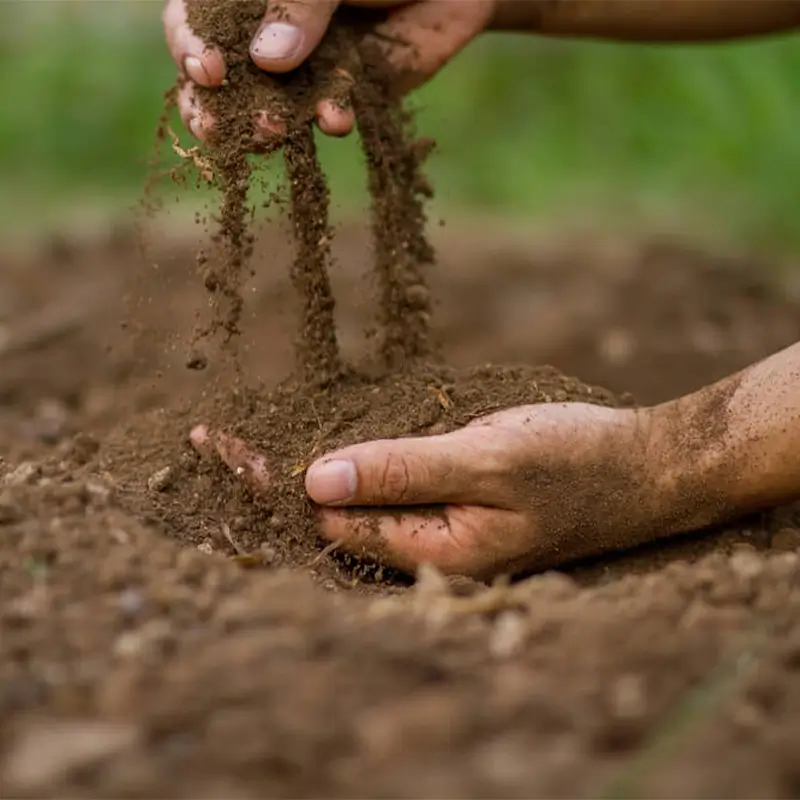
Soil Microbiome: The Role of Beneficial Microbes in Boosting Soil Fertility and Plant Health
The soil microbiome is a complex assembly of diverse microorganisms—including bacteria, fungi, viruses, and protozoa—that exists in every gram of soil and interacts directly with plant roots. In addition to decomposing organic matter, these microorganisms play a key role in various nutrient cycles and help improve soil structure and water retention.
In recent years, with the expansion of scientific research, the importance of the soil microbiome as a vital element for food security and sustainable agriculture has garnered increasing attention. Numerous studies have shown that the intelligent use of beneficial soil microbes can boost crop yields, reduce chemical fertilizer usage, and improve plant health.
Fundamental Concepts of the Soil Microbiome
The soil microbiome refers to the collection of microscopic organisms present within the soil that interact with one another. These include bacteria, fungi, viruses, protozoa, and other living entities. Their metabolic activities lead to the decomposition of organic matter, the release of nutrients, and the enhancement of the soil’s physical conditions.
Due to the complexity of this system, research has shown that the soil microbiome acts as a hidden engine of fertility. In other words, the proper functioning of this ecosystem directly affects the soil’s capacity to retain water, exchange nutrients, and resist pollutants.
From a scientific perspective, identifying and understanding the structure of the soil microbiome is crucial, as it can pave the way for innovative solutions in sustainable agriculture and natural resource management.
Mechanisms of Beneficial Microbes’ Impact on Soil and Plants
Beneficial soil microbes decompose organic matter found in plant and animal residues, converting nutrients into forms that plants can absorb. This nutrient recycling process is one of the main factors in enhancing soil fertility.
In addition to breaking down organic matter, certain bacteria—such as those of the genus Rhizobium—fix atmospheric nitrogen into forms usable by plants. This activity not only promotes plant growth but also reduces the need for nitrogen fertilizers.
Researchers have found that the collaboration between organic-decomposing microbes and plants leads to improved soil structure, enhanced water retention, and better soil aeration. This complex interaction not only boosts agricultural productivity but also helps prevent plant diseases.
– Dr. Ramin Kheirieh: “Soil microorganisms, by decomposing organic matter and converting it into absorbable nutrients, play a key role in biogeochemical cycles.”
Multiple academic studies have emphasized the importance of beneficial microbes in improving the physical structure of soil and increasing plant access to nutrients. For example, research indicates that increased microbial activity enhances soil enzyme functions and biochemical processes.
The Role of the Microbiome in Nutrient Cycles
One of the most important functions of the soil microbiome is its involvement in nutrient cycles such as those of nitrogen, phosphorus, carbon, and potassium. Through the decomposition of organic matter and the release of specific enzymes, microorganisms facilitate the recycling and availability of these elements.
For instance, in the nitrogen cycle, nitrogen-fixing bacteria like Rhizobium and Azotobacter absorb atmospheric nitrogen and convert it into plant-usable forms. The Food and Agriculture Organization (FAO) has reported that approximately 95% of food production is directly or indirectly dependent on soil.
Additionally, microorganisms play a role in converting soil phosphorus into soluble forms that plants can absorb. The activity of mycorrhizal fungi in enhancing plant access to phosphorus and other minerals is a prime example of this process.
Research published in scientific journals indicates that increasing soil microbial diversity improves the efficiency of nutrient cycles and positively influences plant growth. These processes not only boost soil fertility but also contribute to the long-term sustainability of agricultural systems.
The Effect of Beneficial Microbes on Plant Growth and Disease Resistance
Beneficial soil microbes stimulate plant growth by producing hormones such as auxins, cytokinins, and gibberellins. These hormones contribute to longer roots, stronger stem structure, and an increased number of leaves. Plant growth-promoting rhizobacteria (PGPR) are a key group in this regard.
Research has shown that employing beneficial microbiomes can lead to up to a 20% increase in crop yield. Additionally, reducing chemical fertilizer use and enhancing plant resistance to various diseases are further benefits of these microorganisms.
Symbiotic fungi like mycorrhizae extend their mycelial networks to help transport nutrients from soil to plants and bolster plant immune systems. This process makes plants more resistant to pathogens and adverse environmental conditions.
– Dr. Sara Mohammadi: “Using beneficial soil microbes can serve as a sustainable strategy to reduce chemical fertilizer usage and boost agricultural production.”
Besides promoting growth, some microorganisms produce antibiotic compounds that help control plant diseases. These compounds act as a defensive barrier against pathogens, reducing the spread of fungal and bacterial diseases in the fields.
Scientific Data and International Reports
Statistics published by international organizations clearly demonstrate the importance of the soil microbiome. For example, according to reports from the Food and Agriculture Organization (FAO), about 95% of food production depends on soil quality. This underscores the direct impact of soil health on global food security.
Studies by the International Crops Research Institute for the Semi-Arid Tropics (ICRISAT) indicate that the use of beneficial soil microbes can enhance crop productivity by up to 20%. Moreover, several studies in the journal Agriculture, Ecosystems & Environment have reported that nitrogen-fixing bacteria can reduce nitrogen fertilizer usage by up to 50%.
Furthermore, in every gram of moist, fertile soil, the bacterial count is estimated to range between 100 million and 1 billion. This remarkable microbial diversity not only signals soil health but also supports the sustainability of agricultural systems.
These statistics demonstrate that the soil microbiome is not only vital for biogeochemical cycles but also serves as an indicator of growth potential and productivity in modern agriculture.
Biological and Environmental Challenges in Harnessing the Microbiome
Despite its many benefits, effectively harnessing the soil microbiome faces several challenges. One major issue is the high diversity and variability of microbial composition in different soils. Each soil type, based on its physical, chemical, and biological conditions, harbors a unique microbial community that can influence the efficacy of introduced microbes.
Environmental factors such as soil pH, temperature, moisture, and even vegetation type play crucial roles in microbial activity. For example, in highly acidic or alkaline soils, the activity of some microorganisms is reduced, limiting their positive effects on organic matter decomposition.
The development of advanced technologies in microbial genetic diversity analysis (metagenomics) and bioinformatics allows researchers to identify these organisms more accurately and evaluate their performance under various conditions. These advances can pave the way for improved management strategies for the soil microbiome.
– Dr. Ali Rezai: “For effective utilization of beneficial soil microbes, further research into microbe–plant interactions under varying environmental conditions is essential.”
Proposed solutions to these challenges include improved water resource management, the use of organic fertilizers, and the development of conservation agriculture systems. Additionally, creating microbial gene banks and applying biotechnology to refine and enhance the soil’s microbial composition are approaches that can help boost farm sustainability and productivity.
Scientific Achievements and Practical Experiences in Utilizing the Soil Microbiome
In recent years, numerous scientific studies—both international and national—have examined the role of the soil microbiome. These studies reveal that using microbial formulations tailored to specific soil and plant types can lead to significant improvements in agricultural productivity.
For example, laboratory experiments at various universities have demonstrated that applying formulations containing PGPR bacteria and mycorrhizal fungi increases root growth and improves plant health. These results have been replicated and confirmed under real field conditions.
Practical experiences from farmers using fertilizers with beneficial microorganisms also indicate that reducing chemical fertilizer usage and enhancing microbe–plant interactions can lead to better crop yields.
Moreover, case studies in countries such as the Netherlands, Germany, and the United States have shown that biotechnological strategies aimed at improving soil microbial composition can increase productivity by up to 20% and significantly reduce chemical fertilizer use.
These achievements not only offer positive economic impacts but also play a key role in environmental conservation and in reducing pollution caused by excessive chemical fertilizer application.
Future Perspectives and Innovative Applications in the Field of Soil Microbiome
Advances in biotechnology and access to sophisticated research tools have opened new horizons for using the soil microbiome in modern agriculture. Techniques such as metagenomics, microbial analysis, and bioinformatics now enable more precise identification of microbial communities and assessment of their functions under different environmental conditions.
Furthermore, innovative approaches like precision agriculture—which leverages sensors and real-time data—help optimize the use of soil and microbial resources. These technologies support farmers in making informed decisions regarding irrigation, fertilization, and pest control.
On the other hand, the development of smart systems based on artificial intelligence and machine learning for microbial data analysis can uncover complex patterns within the soil microbiome and offer improved management strategies. Such systems can predict seasonal and environmental changes through regular sampling and respond accordingly.
In this context, researchers and experts worldwide are developing platforms to share and analyze microbial data. These platforms can serve as extensive databases, assisting both farmers and researchers in adopting optimal strategies for soil microbiome management based on past experiences.
Sustainable Perspectives on the Soil Microbiome
A comprehensive review of the topics discussed in this article leads to the conclusion that the soil microbiome is one of the fundamental pillars of sustainable agriculture and global food security. Microbial activities not only facilitate nutrient decomposition and recycling but also significantly improve soil structure and bolster plant resistance against diseases.
Experts—including Dr. Ramin Kheirieh, Dr. Sara Mohammadi, and Dr. Ali Rezai—emphasize the importance of investing in microbial research and adopting advanced technologies to enhance this vital ecosystem. Such approaches can pave the way for sustainable agriculture, reduced chemical fertilizer use, and higher crop yields.
Overall, future research in the field of the soil microbiome suggests that collaboration among scientists, agricultural engineers, and policymakers can lead to comprehensive and effective strategies for optimally harnessing this natural resource. The use of modern technologies in microbial detection and management presents unique opportunities for reducing environmental pollution, preserving biodiversity, and improving the economic conditions of farmers.
In conclusion, achieving optimal results in utilizing the soil microbiome requires multidisciplinary and integrated approaches. Combining insights from microbiology, biotechnology, soil science, and agricultural management can address the challenges in producing healthy and sustainable crops.
According to current statistics, every gram of moist, fertile soil contains on average between 100 million and 1 billion bacteria, indicating the immense potential of this ecosystem to enhance soil fertility and plant health. These data, supported by reports from reputable global organizations, underscore the importance of employing innovative strategies to harness the soil microbiome.
Therefore, strategic planning in modern agriculture must emphasize raising awareness and implementing advanced microbial management techniques to fully capitalize on the available potential.
Ultimately, the soil microbiome stands as a living, dynamic natural resource and a cornerstone for scientific and practical advances in agriculture. Continued research and the application of cutting-edge knowledge in this field may be the key to achieving sustainable agriculture and ensuring global food security.
It is thus recommended that policymakers and stakeholders develop dedicated support programs to promote the use of the soil microbiome at both national and international levels. This will not only improve agricultural outcomes but also significantly contribute to environmental conservation and economic development.
In summary, the soil microbiome continues to provide a foundation for scientific and practical progress in agriculture. Ongoing research and the application of modern knowledge in this area may well be the key to achieving the grand goals of sustainable agriculture and global food security.