
Transforming Sustainable Agriculture with Synthetic Biology
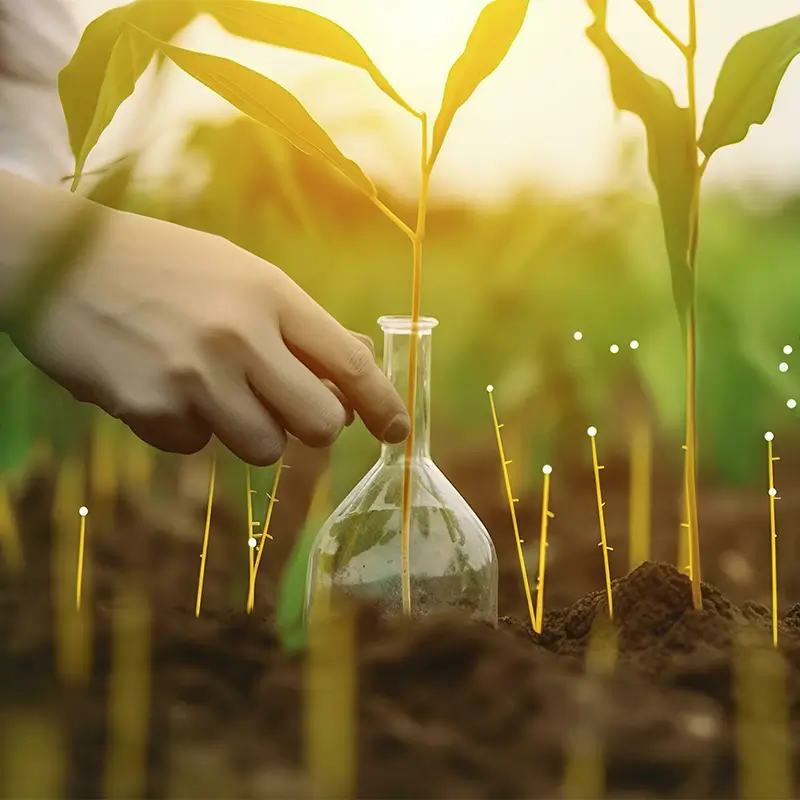
What is Synthetic Biology and What Benefits Does It Offer for Agricultural Productivity?
Synthetic biology is a fusion of engineering principles and biology aimed at designing and constructing new living organisms or systems, as well as enhancing the performance of existing ones. In recent years, this innovative technology has emerged as a powerful tool for driving fundamental transformations in agriculture and food security. In an era when population growth and climate change pose serious challenges to food production, the adoption of novel technologies—including synthetic biology—can pave the way for solving these core issues.
Definition of Synthetic Biology in the Framework of Scientific Innovations
Synthetic biology is an interdisciplinary field that, by merging engineering and biological principles, enables the design, construction, and optimization of living systems. This technology employs modern methods in molecular biology, genetics, and information technology to enhance biological functions by making targeted modifications to cellular structures. Its primary goal is to produce living systems with desirable traits, such as resistance to environmental stresses, increased production efficiency, and improved adaptability to changing climatic conditions.
Given the rapid growth in research within the field of synthetic biology, scientists have managed to create preliminary prototypes of engineered organisms in the laboratory, demonstrating this technology’s potential to address fundamental challenges in agricultural production. Novel approaches in cell design and metabolic systems are among the significant achievements in this domain.
By utilizing advanced tools such as CRISPR gene editing and biological synthesis methods, this technology has opened unprecedented opportunities for enhancing biological performance. The application of synthetic biology can improve agricultural product characteristics—such as resistance to drought, salinity, pests, and diseases—which holds substantial economic and environmental importance.
Transformation in Agriculture through Synthetic Biology
Agricultural transformation is currently underway thanks to novel technologies, especially synthetic biology. One of the most important achievements of this technology is the development of agricultural products with enhanced characteristics. Products developed using synthetic biology exhibit greater resilience against adverse environmental conditions and can perform better in the face of various pests and diseases.
For example, the use of gene editing techniques in crop production has led to the development of traits that confer resistance to drought and salinity. These changes result in reduced water consumption and lower reliance on chemical inputs, ultimately cutting production costs and minimizing negative environmental impacts. The United Nations Food and Agriculture Organization (FAO) has reported that food demand is expected to increase by up to 70% by 2050; therefore, enhancing product productivity is of utmost importance.
Additionally, the development of smart systems for monitoring and managing farms has enabled the optimal use of water and soil resources. These technologies, by aggregating large datasets and employing advanced algorithms, have been able to precisely monitor and control environmental parameters.
Production of Biofertilizers and Improved Nutrient Uptake
One of the key applications of synthetic biology in agriculture is the development and production of biofertilizers. The use of engineered microorganisms can enhance soil performance and increase the uptake of nutrients by plants. As alternatives to chemical fertilizers, these biofertilizers not only reduce environmental pollution but also improve soil health and fertility.
Numerous studies have shown that the use of biofertilizers can lead to a significant increase in agricultural productivity. Employing this technology not only reduces production costs but also prevents the negative environmental impacts associated with the overuse of chemical fertilizers.
Given the growing trend in the biotechnology industry, start-ups and international research centers have developed successful examples of biofertilizers that have demonstrated favorable performance under various climatic conditions.
Production of Alternative Proteins and the Future of Food
– Cultured Meat Production Technology
In today’s world, concerns regarding the sufficient supply of protein for the growing global population have paved the way for the development of novel technologies in alternative protein production. Synthetic biology, by offering solutions for producing cultured meat and non-animal proteins, is driving a fundamental transformation in the food industry.
This technology, utilizing stem cells and controlled culture environments, enables the production of high-quality protein products without the need for extensive livestock farming. Cultured meat production, in addition to reducing the environmental pressures of animal husbandry, can also help lower the risk of contagious diseases.
Furthermore, the production of alternative proteins can play a significant role in balancing market supply and demand fluctuations. According to international institutions, the use of synthetic biology technologies could be key to ensuring long-term food security.
FAO Reports and Other Credible Organizations
According to reports published by the United Nations Food and Agriculture Organization (FAO), global population growth and climate change could lead to a 70% increase in food demand by 2050. These figures underscore the urgent need to improve production methods and agricultural productivity. In this context, technologies such as synthetic biology can play a significant role in meeting this demand by enhancing plant performance and reducing reliance on chemical inputs.
Additionally, the Stockholm International Peace Research Institute (SIPRI) has highlighted food insecurity in certain regions of the world in its reports. These statistics emphasize the necessity of using modern technologies to ensure the sustainability of food systems. The adoption of advanced biological systems can lead to increased productivity, reduced waste, and improved product quality.
Relying on up-to-date data and extensive research, experts believe that integrating scientific innovations with digital technologies in agriculture can address the challenges ahead. This is particularly important, as the growing demand for food, environmental pressures, and climate change require comprehensive and multifaceted solutions.
Perspectives of Researchers in the Field of Synthetic Biology
Among researchers and experts in agriculture, there are diverse opinions regarding the impact of synthetic biology on enhancing food security. Some of these viewpoints are as follows:
– Mohsen Mordi: “Artificial intelligence defines the cultivation model based on new climatic conditions and increases agricultural productivity. This technology is highly effective in ensuring the country’s sustainable food security under both current and future climate change conditions.”
This viewpoint was expressed by Mohsen Mordi, the head of the Agricultural Biotechnology Research Institute of Iran, who, drawing on field research and practical experiences across the country, emphasizes the importance of employing modern technologies in agriculture.
– Kamal Imanian and Kamal Shirdel: “The adoption of artificial intelligence can play a significant role in achieving sustainable agricultural goals and enhancing food security at both national and global levels.”
The above quote from researchers at the Iran Agriculture Education and Promotion Institute reflects a broad consensus among experts on the necessity of using modern technologies to address existing economic and environmental challenges.
These perspectives strongly emphasize that the integration of modern technologies and specialized knowledge can pave the way for a fundamental transformation in food and agricultural systems.
Challenges, Ethical Considerations, and Future Prospects
– Ethical and Biosafety Issues
Despite the remarkable benefits of synthetic biology, there are numerous challenges in this field. Among the most important of these challenges are ethical issues, biosafety, and public acceptance. The use of engineered organisms in natural environments requires rigorous assessments of their long-term impacts on ecosystems.
Among the prevailing concerns, questions arise about the potential for unintended genetic modifications and their effects on biodiversity. Moreover, public acceptance of products derived from modern technologies remains a major challenge. Therefore, it is essential for policymakers, scientists, and regulatory bodies at both national and international levels to collaborate in establishing appropriate legal and ethical frameworks for applying this technology.
In addition to these challenges, research opportunities and the development of related technologies are rapidly expanding. Numerous studies indicate that by enhancing quality control and safety processes, potential risks can be minimized, thereby preventing serious problems in the future.
Furthermore, transferring knowledge and technology from research centers to industry and public education is one of the effective strategies for increasing awareness and acceptance of synthetic biology innovations. This requires investment in research and educational sectors and strengthening the ties between universities and industry.
Summary of Scientific Findings and Development Strategies
Extensive research and experience in the field of synthetic biology demonstrate that this technology can serve as a key factor in transforming agricultural systems and ensuring food security. Through the development of resilient products, enhanced soil productivity, and reduced dependence on chemical fertilizers, synthetic biology has paved the way for establishing a sustainable food system.
Considering the up-to-date statistics provided by international organizations such as FAO and SIPRI, the significant increase in food demand in the coming decades underscores the necessity of employing novel technologies in agriculture. In this context, improving cultivation methods, utilizing biofertilizers, and producing alternative proteins are among the strategies that can enhance food security and reduce environmental pressures.
Furthermore, effective collaboration among governmental sectors, the private sector, and research institutions is a key factor for long-term success. Educational programs, specialized workshops, and the development of applied research can facilitate the transfer of knowledge and technology from the laboratory to practical applications.
Ultimately, considering the existing challenges and opportunities, the future of agriculture depends on scientific innovations and advanced technologies. Investment in synthetic biology can not only improve agricultural productivity but also yield positive economic and environmental impacts. This transformation can pave the way for the creation of a smart, sustainable food system resilient to climate change.
Thus, the integration of biological, engineering, and information technology knowledge has emerged as a key factor in developing innovative solutions to ensure food security. Scientific studies indicate that by applying the principles of synthetic biology, agricultural products can be improved to meet the needs of a growing population and adapt to environmental changes.
The prospects for this technology include the development of new generations of crop products, the production of alternative proteins, and the adoption of advanced natural resource management systems. These achievements can serve as a foundation for sustainable global development and play an effective role in establishing a knowledge-based economy.
Given the scientific achievements and successful experiences in various agricultural fields, experts believe that investing in synthetic biology technologies can contribute to a fundamental transformation in food production systems. Accordingly, aligning national policies with global trends and strengthening international collaborations is of paramount importance.
The future outlook indicates that, given the increasing demand for food amidst climate change and population pressures, the use of modern technologies—especially synthetic biology—can be key to solving fundamental challenges in agriculture. This technology can lead to reduced waste, improved efficiency in agricultural systems, and the creation of new job opportunities in related sectors.
With ongoing research and the development of related technologies, it is expected that synthetic biology will play a decisive role in establishing a sustainable and smart food system in the future. Alongside enhancing productivity, this transformation can strengthen the national economy and reduce dependence on food imports.
In summary, addressing the scientific, technical, and ethical dimensions in the application of synthetic biology lays the groundwork for developing innovative and efficient solutions to confront the challenges in agriculture and food security. Coupled with increased public awareness and the establishment of appropriate infrastructures, this technology can serve as a strategic tool for the sustainable development of both the nation and the world.