
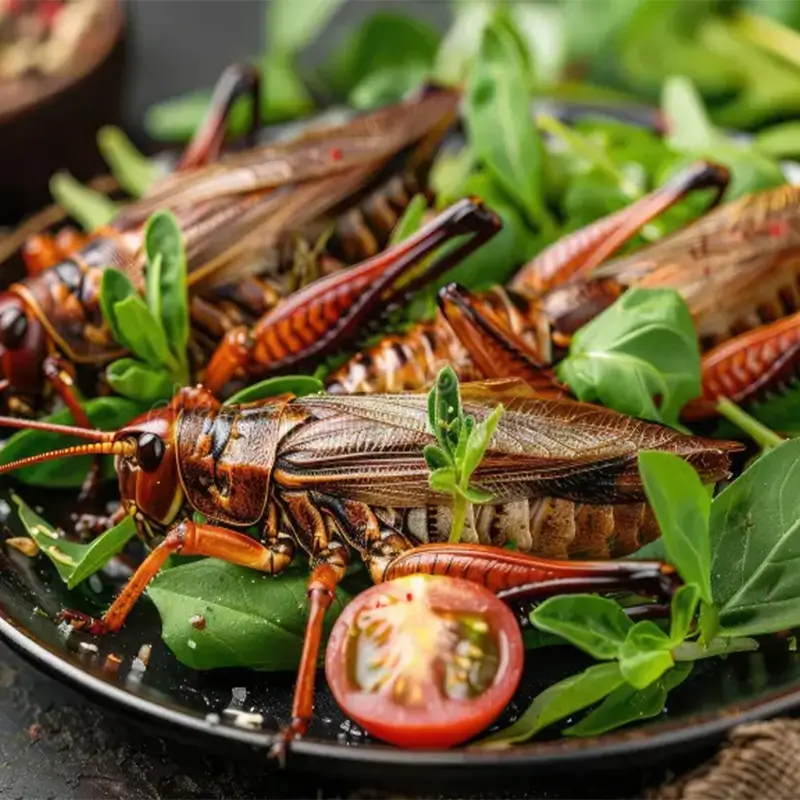
Sustainable Edible Insects Market in Food Sector
Edible insect market, powered by modern technology and resource efficiency, enables sustainable protein supply and broadly fosters economic growth and healthy nutrition.
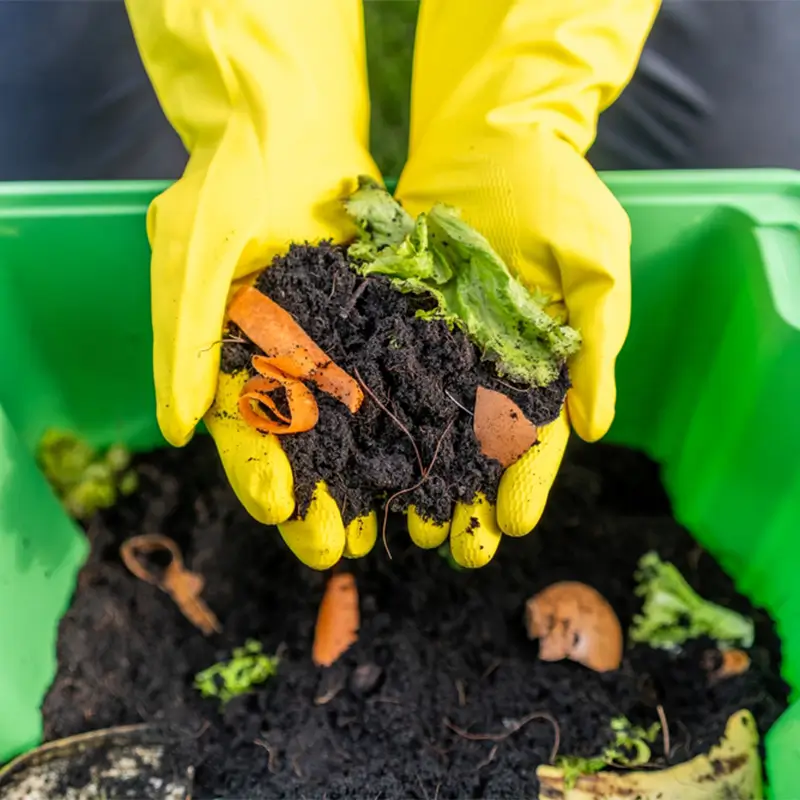
Recycling of Agricultural Waste into Value-Added Resources
Transforming agricultural waste into useful resources using modern technology reduces pollution, increases food productivity, and creates sustainable economic opportunities.

Biofilm Tech in Sustainable Crop Growth
Biofilm technology uses effective microorganisms to boost plant growth and nutrient uptake while significantly reducing water and chemical fertilizer use.

Combining Nanotech & Biotech with Nanobiotechnology
Nanotechnology in agriculture boosts nutrient uptake and product quality, while reducing chemical use to sustainably enhance production and protect the environment.
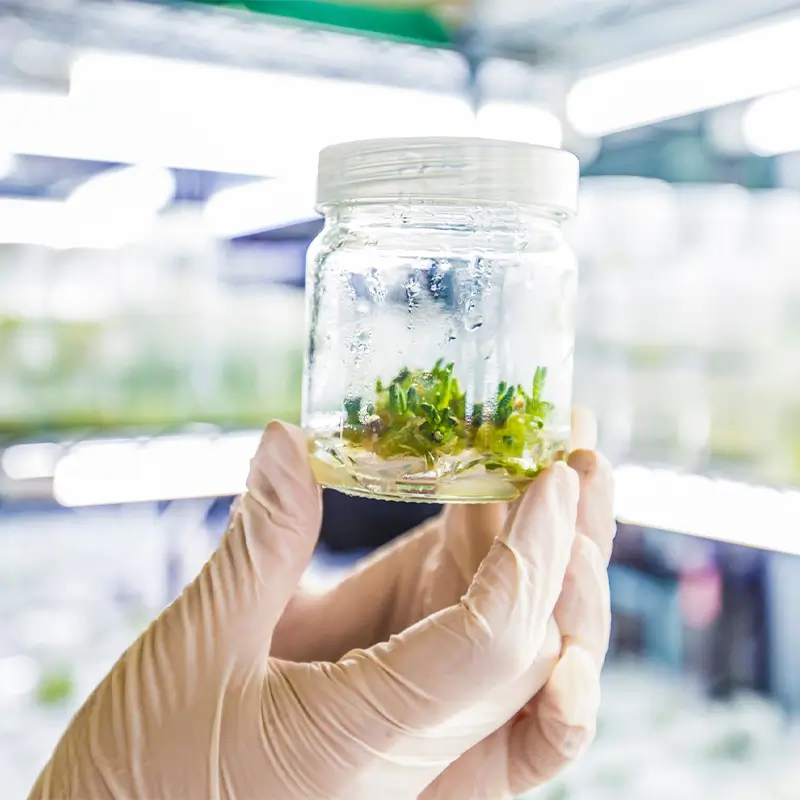
Biofactories for Food Production with Molecular Farming
Molecular farming technology harnesses genetic engineering to turn plants and animals into biofactories, enabling sustainable production of high-quality food and pharmaceuticals.

Mycorrhiza Symbiosis in Agriculture for Nutrient Uptake
Using mycorrhiza fungi enhances nutrient uptake, reduces chemical fertilizer use, improves soil health, and significantly increases crop yields.

CRISPR Gene Editing and Its Impact on Food Security
CRISPR enables precise gene editing in plants to boost resistance, quality, and nutrition—paving the way for a more secure food future.

The Role of Microbes in Boosting Soil Fertility and Plant Health
The soil microbiome converts organic matter into nutrients using live microbes and strengthens soil structure. This natural process enhances plant health.
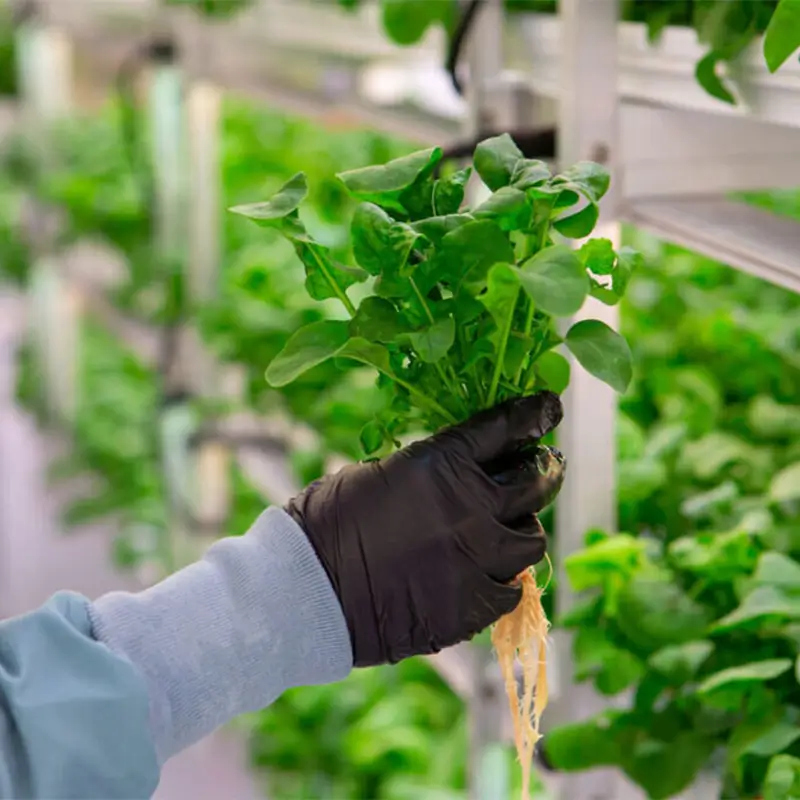
Future of Modern Agriculture with Hydroponics & Aeroponics
Hydroponic and aeroponic technologies, utilizing controlled environments, enable the production of high-quality crops while optimizing water resources and boosting productivity.
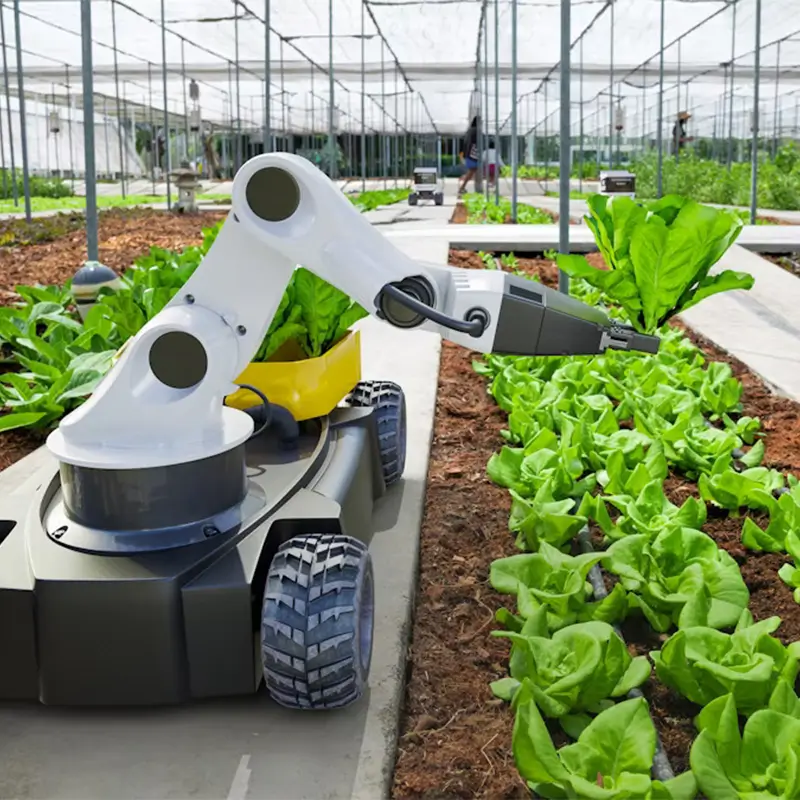
The Role of Robots & Automation in the Future of Agriculture
Robots and automation technologies in agriculture boost food production efficiency, cut operational costs, and support sustainable development.