

Autonomous Sea Cage Feeding Economics
Autonomous feeding using underwater cameras, fish behavior models, and USVs can refine when, how much, and where feed is delivered, cut waste, and link sea cage expansion with fish welfare and seabed monitoring.

Postharvest Robotics for Quality Tracking
Autonomous transport robots, AGVs, and machine vision connect boxes, temperature, and quality events to the cold chain, reducing product damage and enabling precise postharvest tracking for orchards and cold storage.

Low Input Deep Vision Spot Spraying in Iran
Field robots with deep vision target weeds and disease spots through real-time detection and localized dose delivery, shifting pesticide use from uniform spraying to precise microdosing. This lowers input costs and environmental risk on farms.

Laser Weeding Robots for Low-Input Farming
Laser and electric weeding robots identify weeds precisely and reduce herbicide use, but their economic value depends on energy, operating speed, field safety, ownership cost, technical service, and crop value.
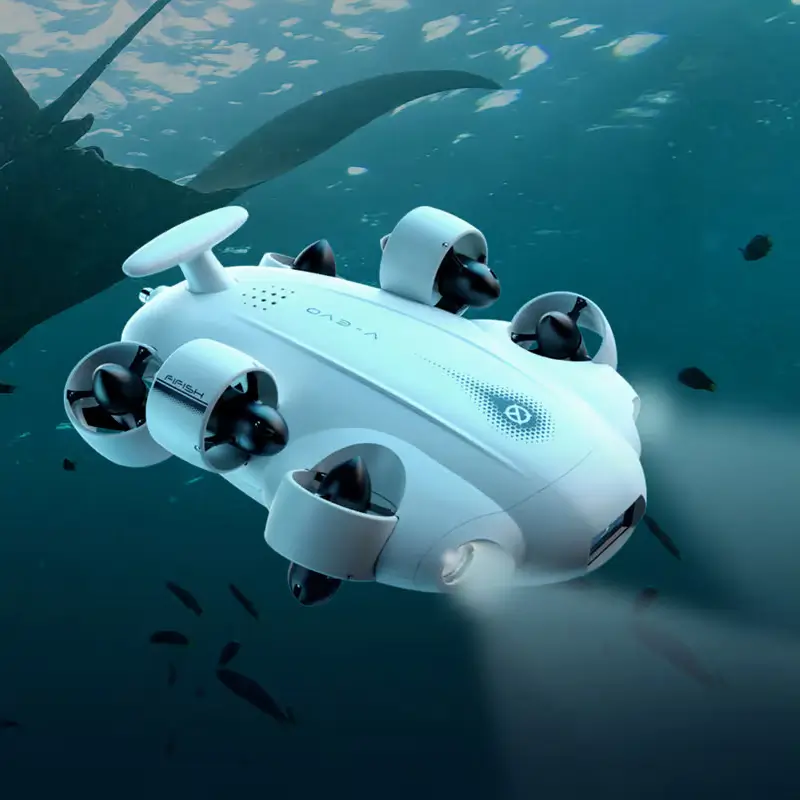
Autonomous Marine Farming with Drones and Floating Robots
Autonomous marine systems, powered by drones and underwater robots, enable continuous monitoring and significantly enhance the efficiency and sustainability of aquaculture farms.
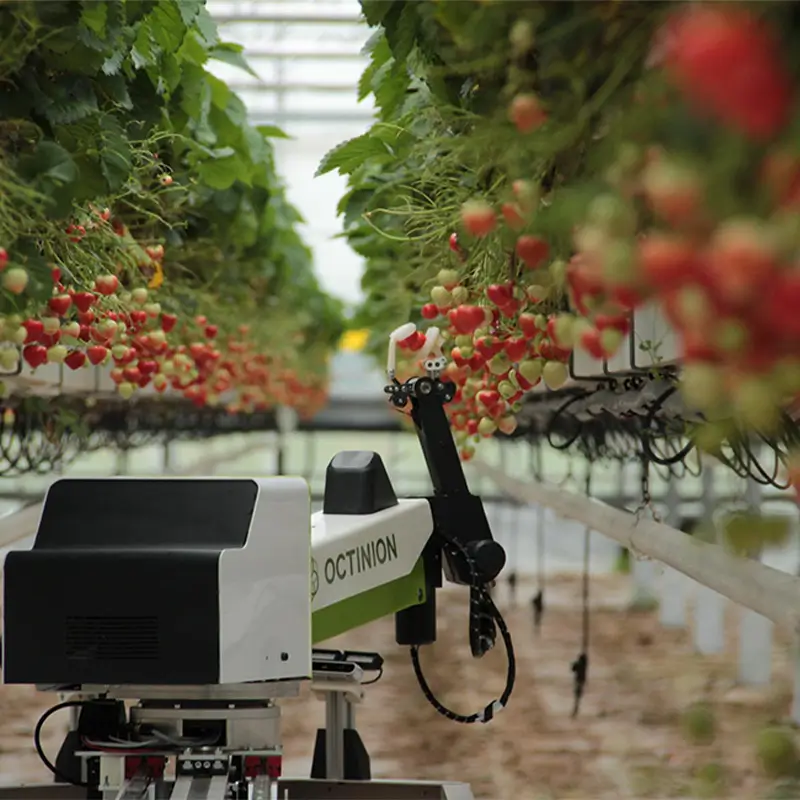
Precise Harvesting of Delicate Fruits in Smart Farms with Soft Robots
Soft robots equipped with flexible grippers and computer vision enable gentle harvesting of delicate fruits in smart farms, significantly reducing waste.
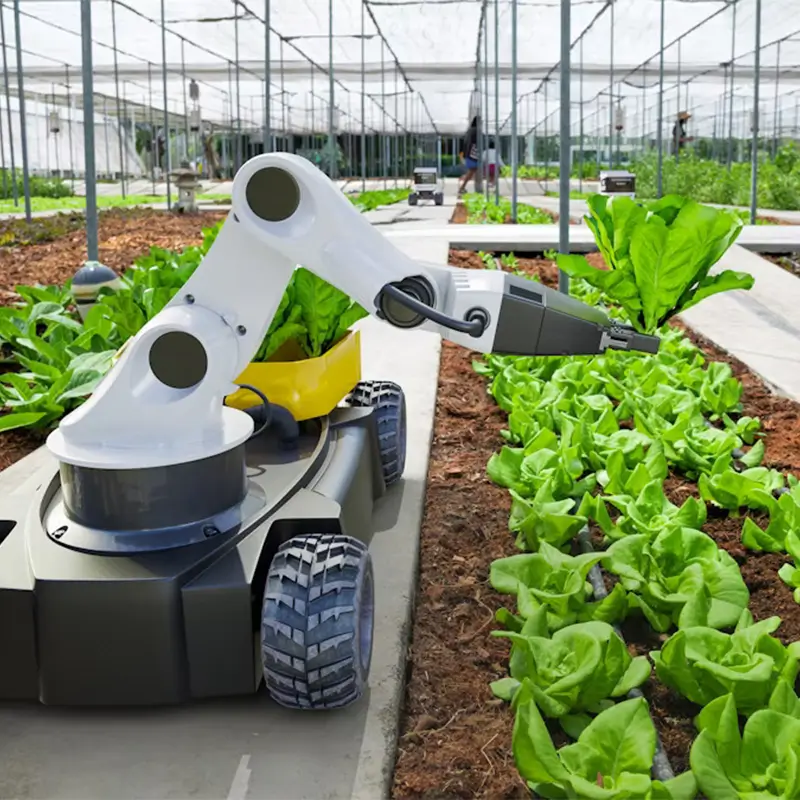
The Role of Robots & Automation in the Future of Agriculture
Robots and automation technologies in agriculture boost food production efficiency, cut operational costs, and support sustainable development.