

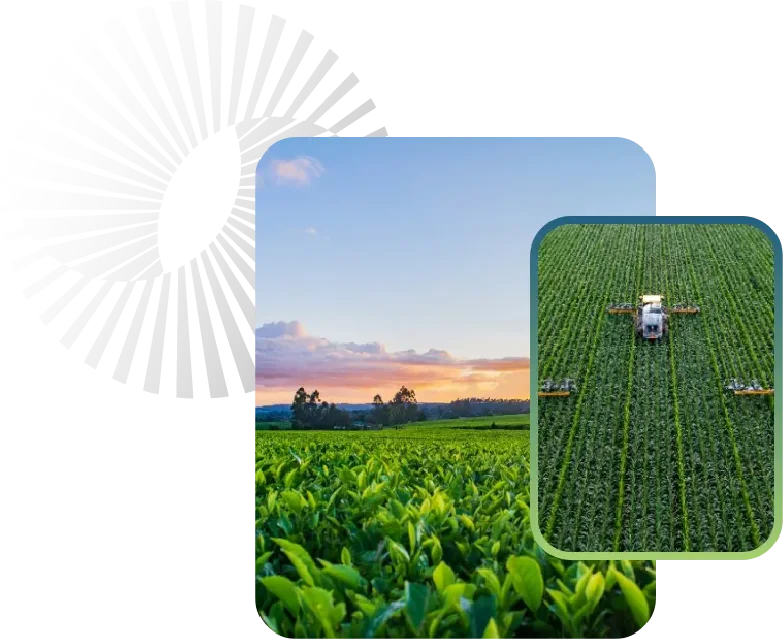











Combating greenwashing in agriculture: transparency indicators and claim audits
A practical framework to measure and audit environmental claims across the agricultural chain grounded in PEF, ISO standards, and codes of practice with global examples and an Iran localization roadmap.

Select & implement FSSC 22000, ISO 22000, BRCGS
Explains informed selection, step-by-step implementation, and standardized auditing to ease entry into domestic and global markets.

Cybersecurity for digital-agri infra with standards and SOC
Digital agriculture stalls without security; with global standards, a scalable SOC, and IRP, protect product quality, cold-chain resilience, and market trust.

Emerging Food Contaminants: PFAS & Microplastics, Limits & Monitoring
Emerging Contaminants in the Food Industry: PFAS and Microplastics, Limits and Monitoring Today’s food chain faces two groups of emerging

Smart irrigation scheduling using dynamic, time-of-use (TOU) electricity pricing
Irrigation scheduling with TOU pricing, ETo/Kc metrics, and a variable-speed drive reduces energy costs, eases grid peaks, and boosts farm water productivity.
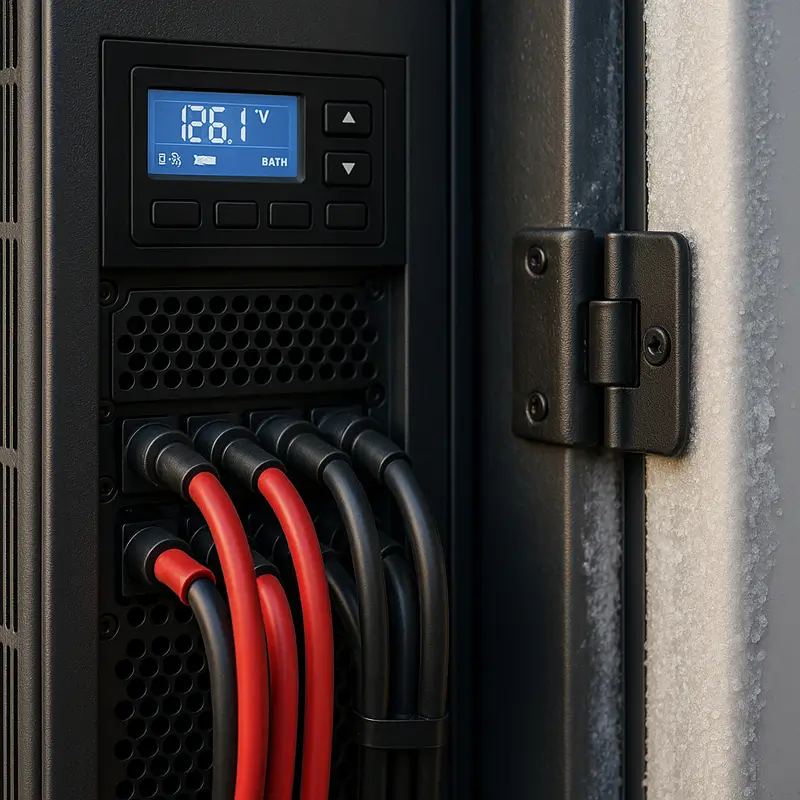
Rural cold chain resilience with UPS, virtual generator, and loss reduction
A rural cold chain stabilizes with a UPS as backup and participation in a virtual power plant; with pre-cooling, temperature logging, and better energy use, losses and costs drop.

Greenhouse CO2: chemical absorption & scrubber design
Greenhouse CO₂ management with capture–release scrubbers ensures clean supply, 800–1,000 ppm control, standards compliance, and optimized heat integration.
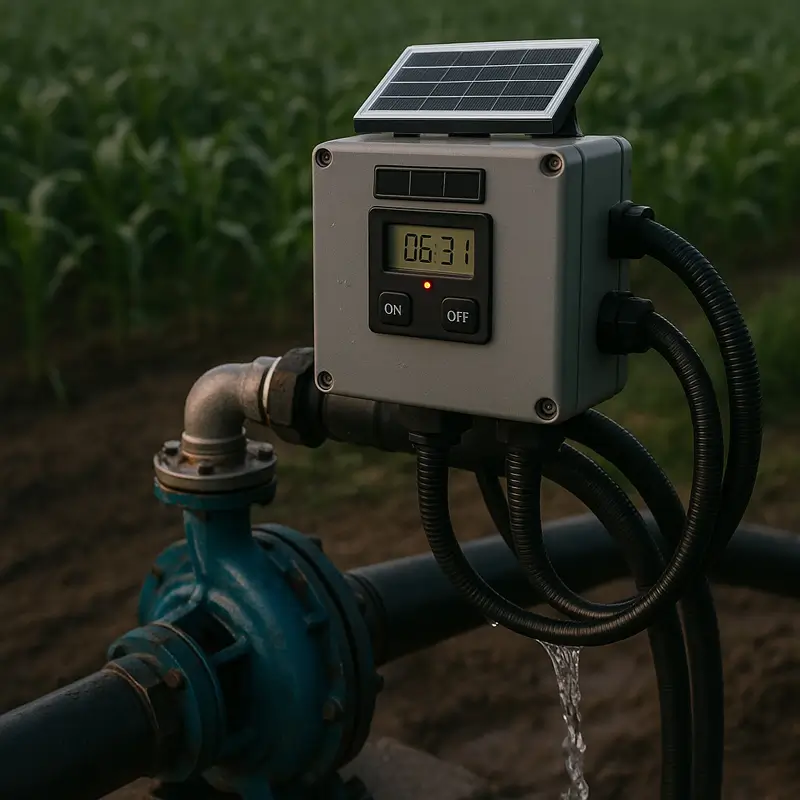
Smart Scheduling of Irrigation and Pumping Based on Real-Time Electricity Prices
Price-responsive scheduling of pumping and irrigation cuts energy use and cost, lowers peak network pressure, and preserves water supply quality without reducing irrigation uniformity.

Enhanced Semi-Artificial Photosynthesis Efficiency in Low-Light Crops
Luminescent nanomaterials convert light spectra in low-light conditions into more effective wavelengths, accelerating electron transfer during photosynthesis. This significantly improves the semi-artificial photosynthetic efficiency in agricultural crops.
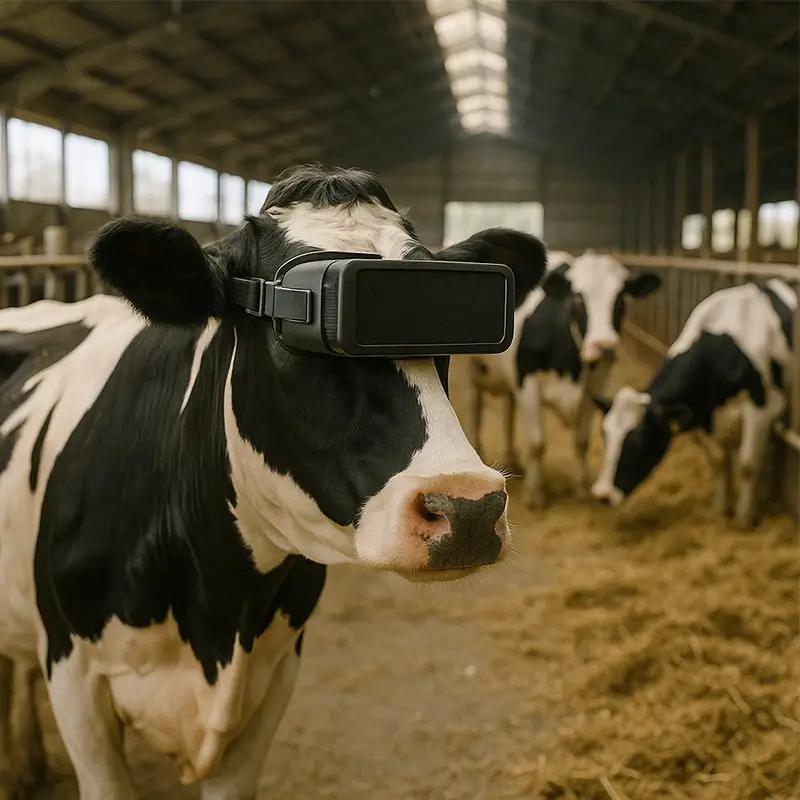
Simulating Livestock Behavior with AI and Advanced Deepfake Technology
Advanced deepfake technology enables the creation of digital twins for livestock, allowing accurate simulation of their behavior and emotional responses. This innovation plays a key role in improving animal welfare and optimizing herd management.
Combating greenwashing in agriculture: transparency indicators and claim audits
A practical framework to measure and audit environmental claims across the agricultural chain grounded in PEF, ISO standards, and codes of practice with global examples and an Iran localization roadmap.
Select & implement FSSC 22000, ISO 22000, BRCGS
Explains informed selection, step-by-step implementation, and standardized auditing to ease entry into domestic and global markets.
Cybersecurity for digital-agri infra with standards and SOC
Digital agriculture stalls without security; with global standards, a scalable SOC, and IRP, protect product quality, cold-chain resilience, and market trust.
Emerging Food Contaminants: PFAS & Microplastics, Limits & Monitoring
Emerging Contaminants in the Food Industry: PFAS and Microplastics, Limits and Monitoring Today’s food chain faces two groups of emerging
Smart irrigation scheduling using dynamic, time-of-use (TOU) electricity pricing
Irrigation scheduling with TOU pricing, ETo/Kc metrics, and a variable-speed drive reduces energy costs, eases grid peaks, and boosts farm water productivity.
Rural cold chain resilience with UPS, virtual generator, and loss reduction
A rural cold chain stabilizes with a UPS as backup and participation in a virtual power plant; with pre-cooling, temperature logging, and better energy use, losses and costs drop.
Greenhouse CO2: chemical absorption & scrubber design
Greenhouse CO₂ management with capture–release scrubbers ensures clean supply, 800–1,000 ppm control, standards compliance, and optimized heat integration.
Smart Scheduling of Irrigation and Pumping Based on Real-Time Electricity Prices
Price-responsive scheduling of pumping and irrigation cuts energy use and cost, lowers peak network pressure, and preserves water supply quality without reducing irrigation uniformity.
Enhanced Semi-Artificial Photosynthesis Efficiency in Low-Light Crops
Luminescent nanomaterials convert light spectra in low-light conditions into more effective wavelengths, accelerating electron transfer during photosynthesis. This significantly improves the semi-artificial photosynthetic efficiency in agricultural crops.
Simulating Livestock Behavior with AI and Advanced Deepfake Technology
Advanced deepfake technology enables the creation of digital twins for livestock, allowing accurate simulation of their behavior and emotional responses. This innovation plays a key role in improving animal welfare and optimizing herd management.