
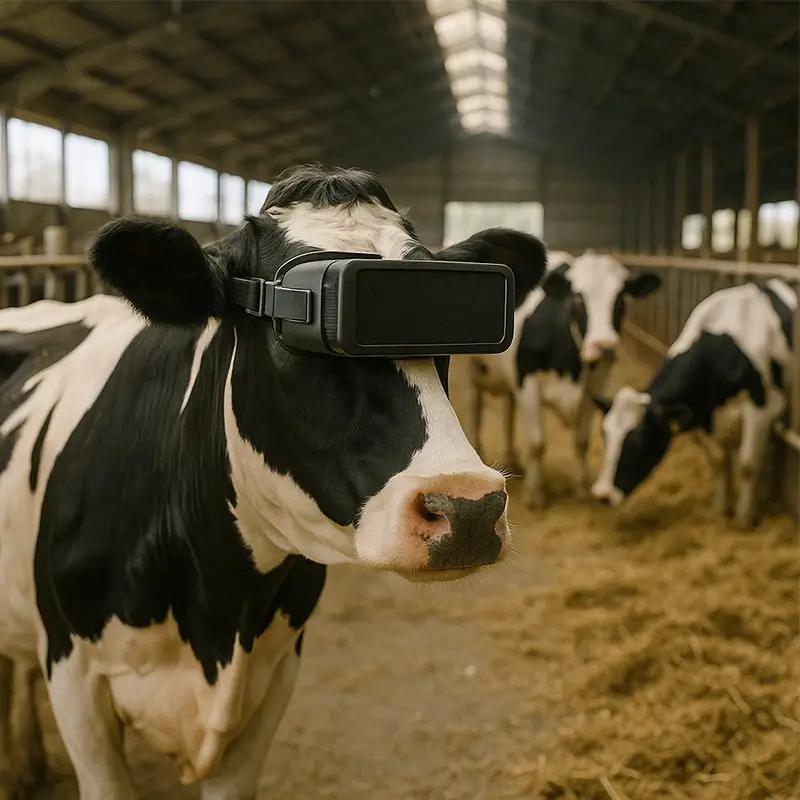
Simulating Livestock Behavior with AI and Advanced Deepfake Technology
Advanced deepfake technology enables the creation of digital twins for livestock, allowing accurate simulation of their behavior and emotional responses. This innovation plays a key role in improving animal welfare and optimizing herd management.

Livestock Health Monitoring with Smart Sensors and Artificial Intelligence
Wearable sensors and intelligent algorithms continuously track animals’ vital signs, helping reduce disease outbreaks, lower treatment costs, and boost efficiency in livestock farming.
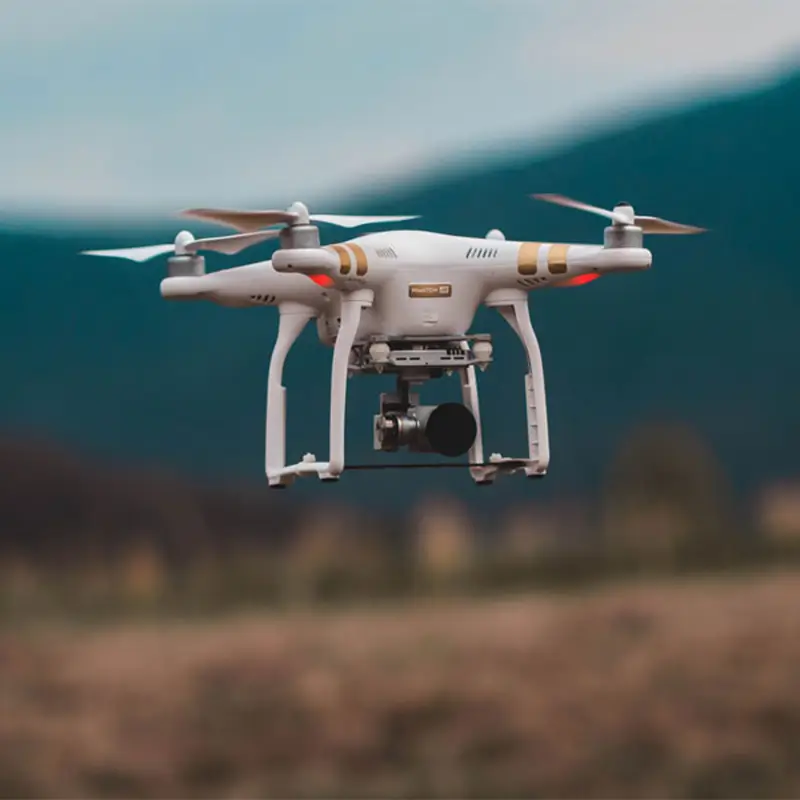
Early Detection of Plant Stress Using UV–VIS Drone Imaging
UV–VIS drone-based imaging enables the detection of subtle changes in leaf pigments and structure before any visible symptoms appear, helping to improve irrigation efficiency.
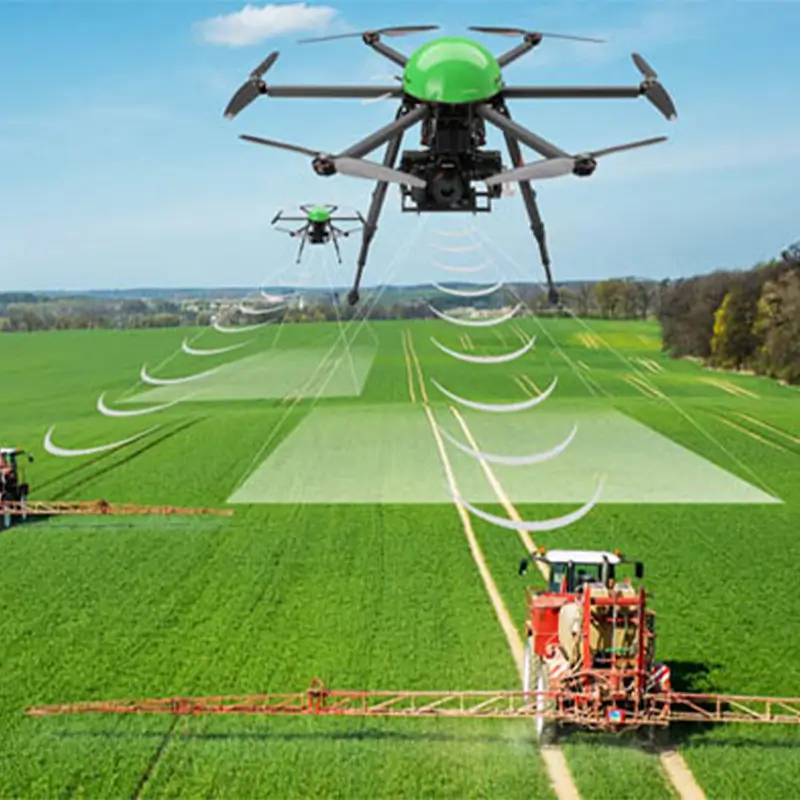
Thermal Remote Sensing Technology
Thermal monitoring of farmland using infrared imagery enables early detection of water stress and accurate assessment of plant health, paving the way for optimized irrigation strategies.
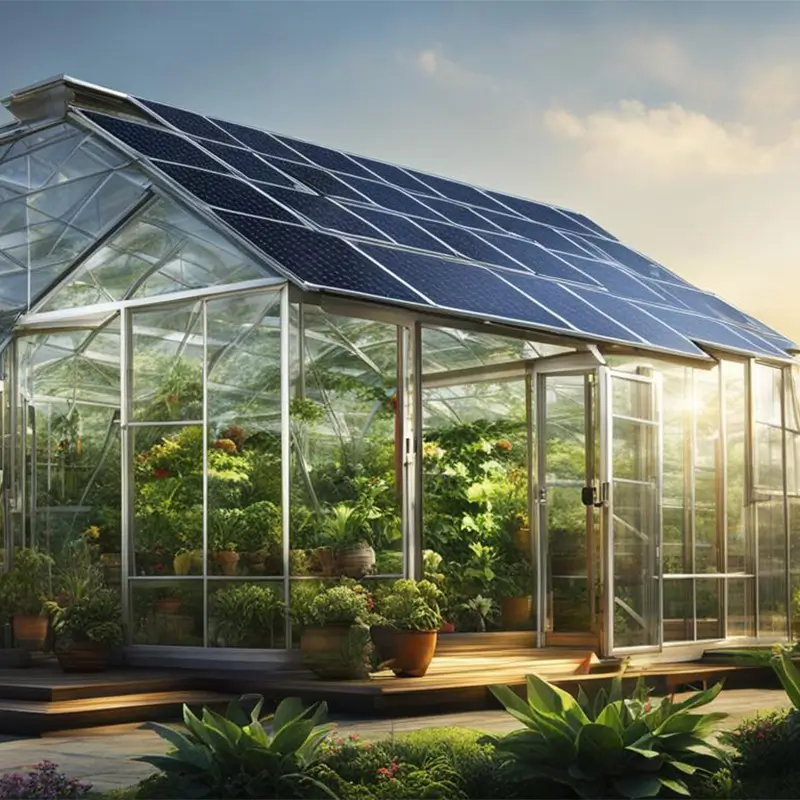
Self-Sufficient Greenhouse with Transparent Solar Panels and Smart Energy Management
Transparent solar panels combined with intelligent and efficient energy management significantly reduce electricity and water consumption in the greenhouse, ensuring energy independence and consistent crop production under varying conditions.
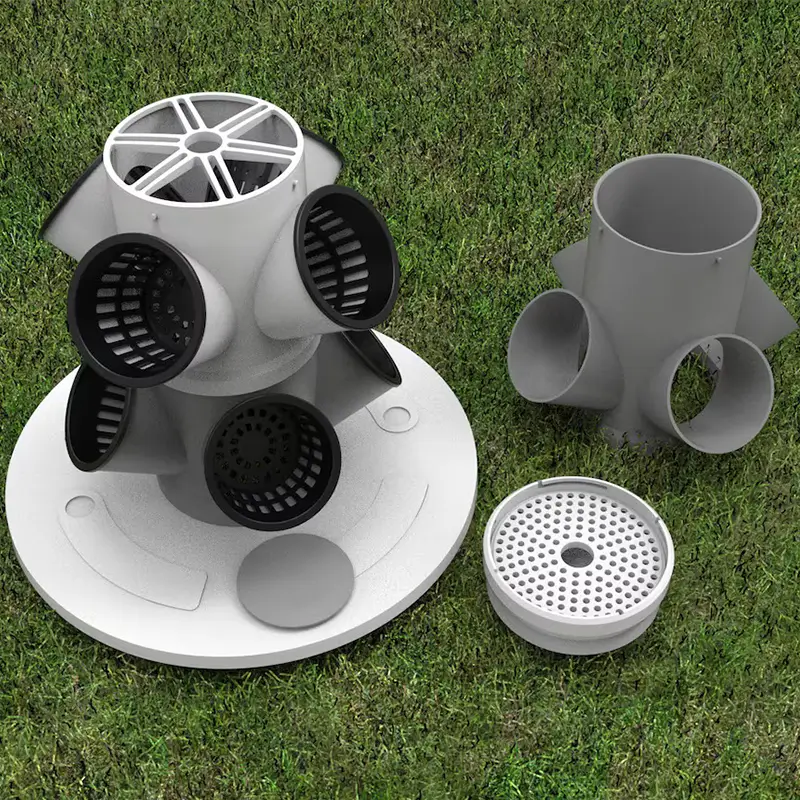
3D Printing and Hydroponics for Agricultural Module Design
The integration of 3D printing and hydroponics enables the development of flexible cultivation modules that use less water and nutrients, enhancing the efficiency of urban farming.
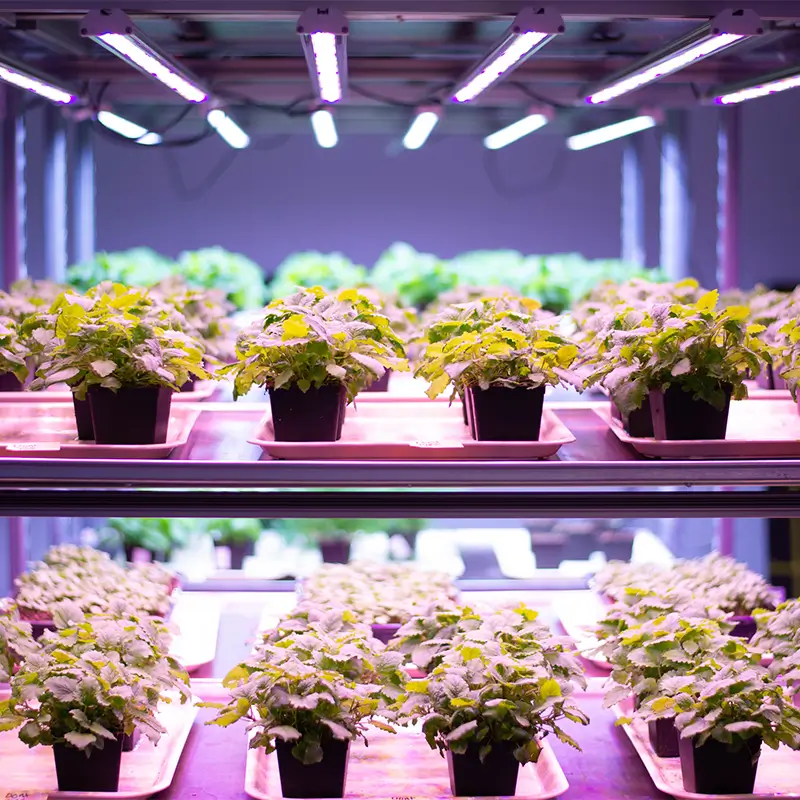
Photonic Technology for Enhancing Agricultural Growth and Lighting
Smart photonic lighting accelerates plant growth while significantly reducing energy and water consumption. By optimizing the use of natural resources, this technology boosts agricultural efficiency and contributes to a more sustainable environment.
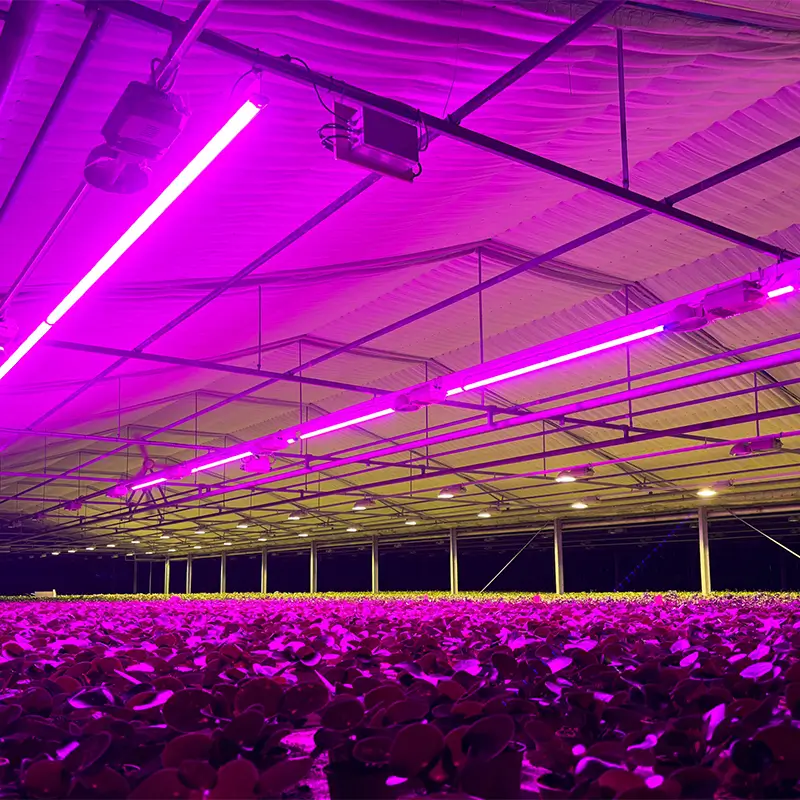
Spectral Lighting Technology for Greenhouse Crop Growth
Spectral lighting enhances crop growth and quality by optimizing greenhouse illumination, improving food efficiency and added value.
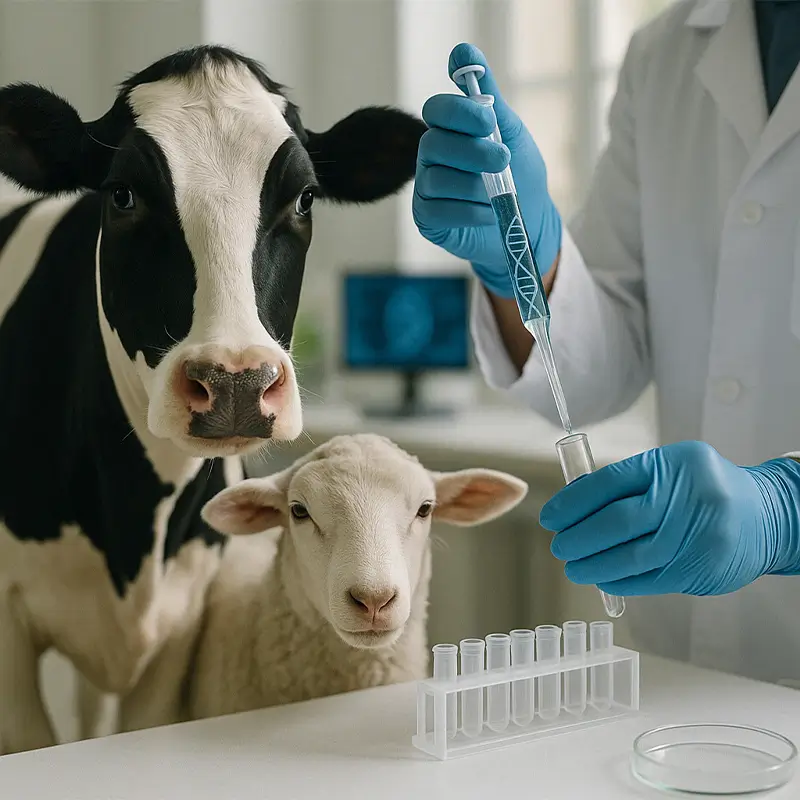
Enhancing Ruminant Resilience Through Viral Gene Therapy
Gene-editing technologies like CRISPR enable the removal of viral receptors and the enhancement of immune pathways, helping reduce mortality rates in ruminant livestock and improve overall farm productivity.

Reducing Pesticide Use with RNAi Pest Control
RNAi technology significantly reduces the need for chemical pesticides by enabling precise targeting of pest genes. This innovative approach improves agricultural productivity while minimizing environmental impact.
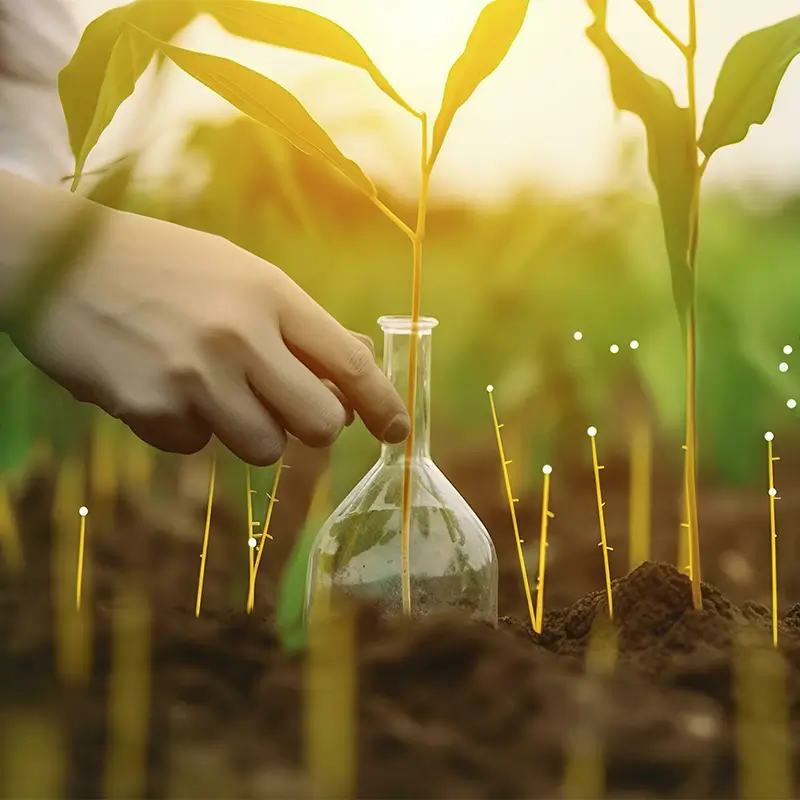
Transforming Sustainable Agriculture with Synthetic Biology
Synthetic biology merges science and tech to strengthen crops and, via biofertilizers and alternative proteins, boost food chain stability and sustainable development.
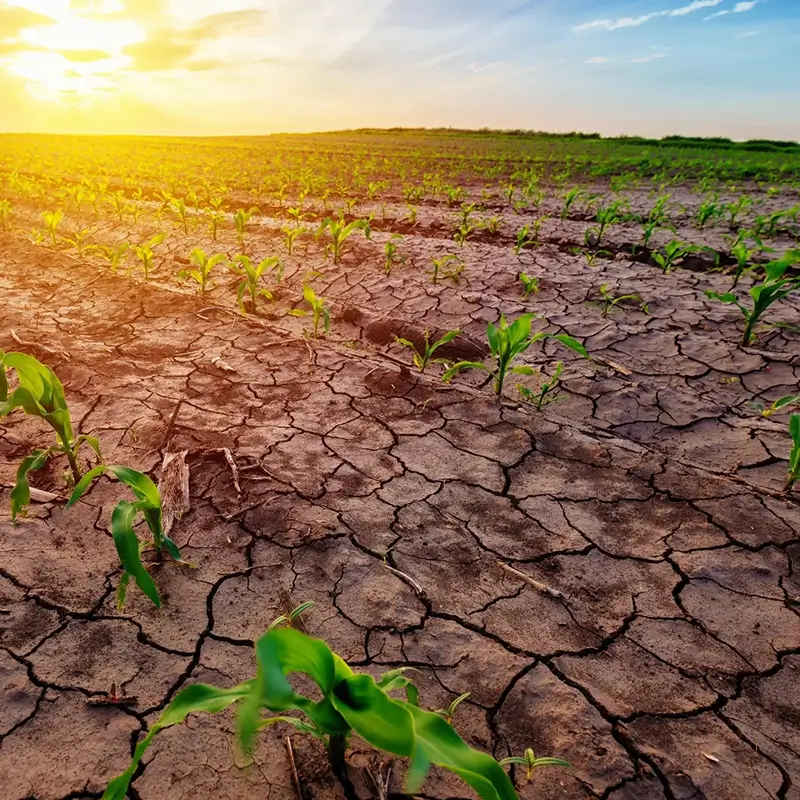
Biotechnology for Drought-Resistant Crops
Modern genetic technologies improve plant performance under drought and climatic stresses, and by transferring resistance genes, crop yields are enhanced.

Combating greenwashing in agriculture: transparency indicators and claim audits
A practical framework to measure and audit environmental claims across the agricultural chain grounded in PEF, ISO standards, and codes of practice with global examples and an Iran localization roadmap.

Select & implement FSSC 22000, ISO 22000, BRCGS
Explains informed selection, step-by-step implementation, and standardized auditing to ease entry into domestic and global markets.

Cybersecurity for digital-agri infra with standards and SOC
Digital agriculture stalls without security; with global standards, a scalable SOC, and IRP, protect product quality, cold-chain resilience, and market trust.

Emerging Food Contaminants: PFAS & Microplastics, Limits & Monitoring
Emerging Contaminants in the Food Industry: PFAS and Microplastics, Limits and Monitoring Today’s food chain faces two groups of emerging
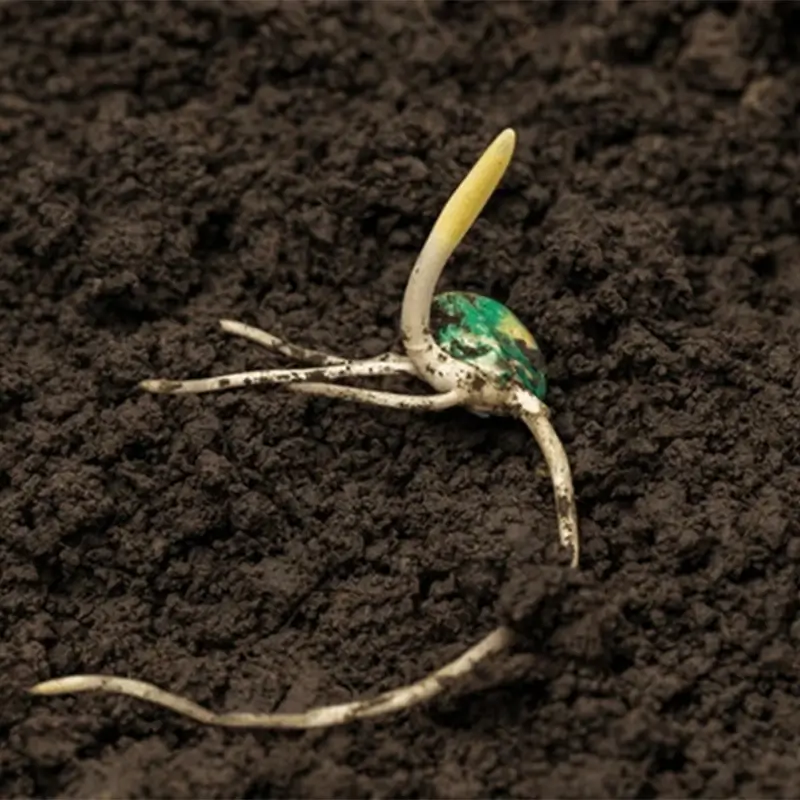
Advanced Hydrocolloid Coating to Enhance Seed Resilience
The application of hydrocolloid coatings, through the formation of permeable films and controlled nutrient release, enhances seed resistance to drought and soil salinity.
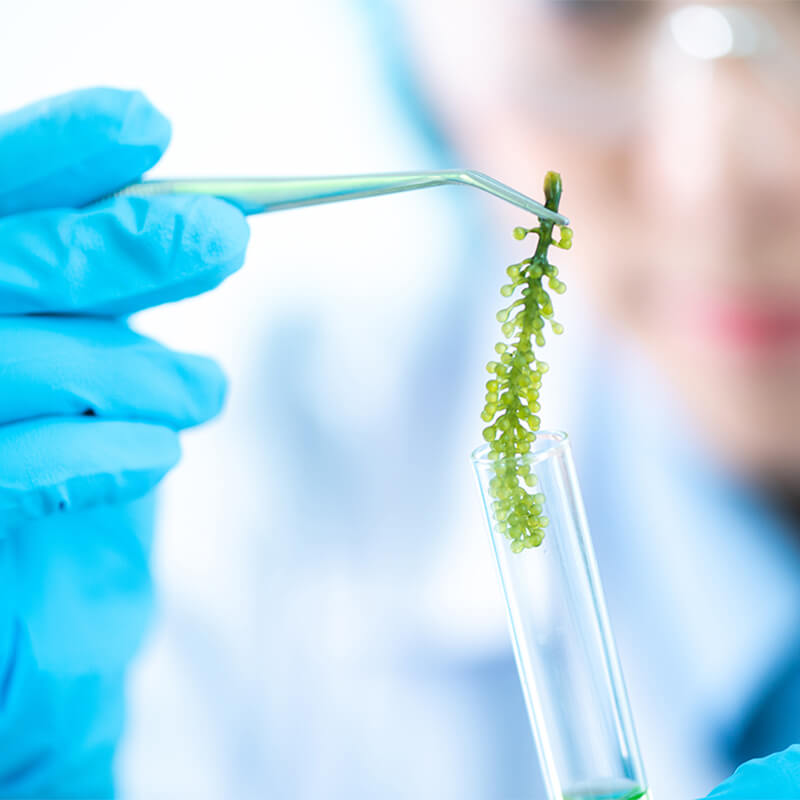
A Sustainable Alternative to Environmental Pollution: Bioplastics
Bioplastics, as an innovative solution in agriculture, are derived from renewable resources. They help reduce pollution, improve soil and water performance, and contribute to greater environmental sustainability—driving a transformative shift across the sector.
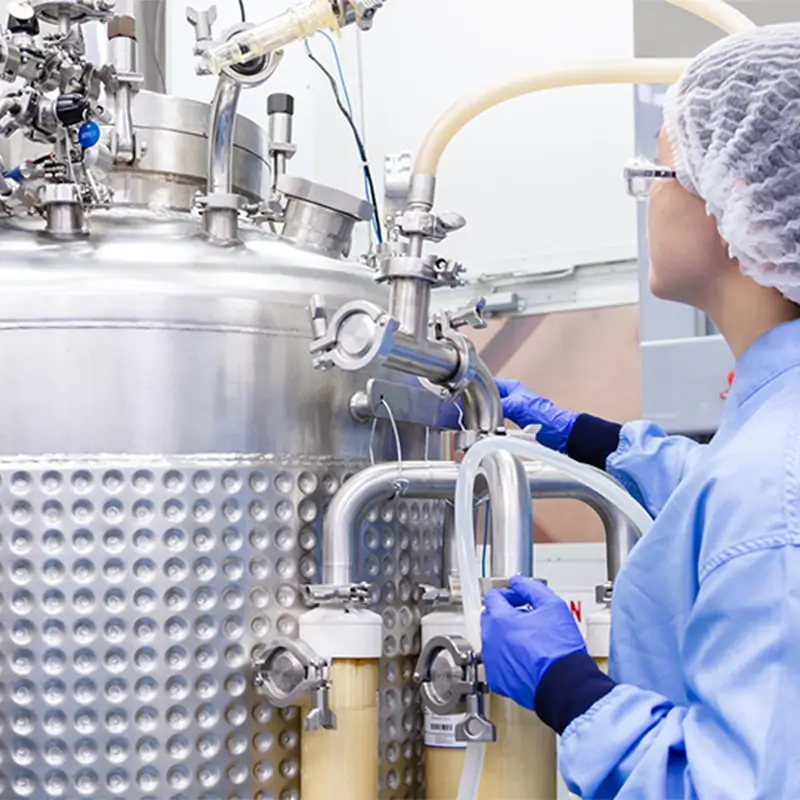
Soil Structure Enhancement via Solid-State Fermentation
Transforming agri-waste into bio-inputs through solid-state fermentation to improve soil structure, nutrient uptake, and sustainable crop growth.
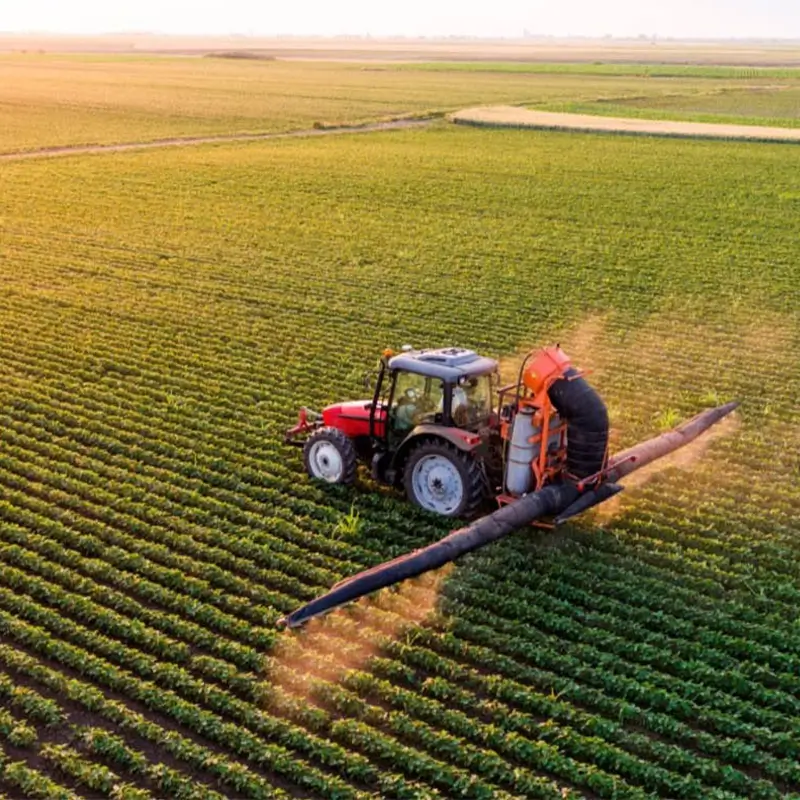
Innovative Circular Agriculture for Enhanced Resource Efficiency
Modern circular agriculture methods improve efficiency by recovering nutrients and optimizing the use of water and soil. These practices reduce waste, preserve natural resources, and contribute to environmental sustainability.
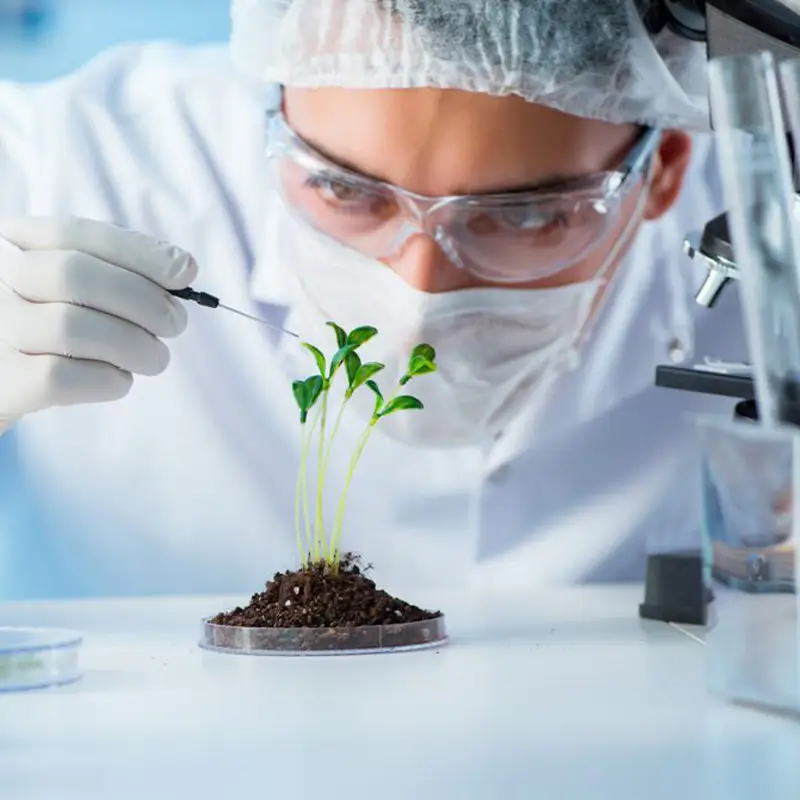
Innovative Investment in Agricultural Biotechnology in Iran
Agricultural biotechnology plays a crucial role in Iran’s future by enhancing productivity and reducing reliance on imports. Smart investments and support for innovation can transform Iran into a hub for this industry.

Agricultural Growth via Investment & Tech
Investment and innovation drive farm productivity. Financial barriers and slow tech adoption remain challenges. Expanding funding models and innovation secures food supply.

Golden Investment in Iran’s Agriculture
Iran’s diverse climate and rich resources offer prime investment opportunities. Tech development, efficiency boosts, and logistics upgrades drive growth.

Logistics Challenges in Iranian Farming
Poor supply chains and weak logistics raise costs and waste. Expanding rail transport, upgrading storage, and using smart tech are key solutions.

Organic Food Market in Iran: Growth Path
Organic food demand is rising due to awareness and export potential. However, high prices, weak infrastructure, and limited knowledge remain key challenges

Iran’s Agriculture: A Natural Treasure
Iran’s fertile land and water access provide major agricultural advantages. Proper management and advanced tech drive sustainable growth and exports.

Farming Strength: Workforce & Innovation
Iran’s skilled labor, diverse climate, and agri-tech firms fuel growth. State support and processing industries boost exports and optimize resources.

Diverse Climate & Strategic Crops
Iran’s climate enables strategic crop production. Using advanced tech and scientific management can enhance food security and global market position.

Autonomous Marine Farming with Drones and Floating Robots
Autonomous marine systems, powered by drones and underwater robots, enable continuous monitoring and significantly enhance the efficiency and sustainability of aquaculture farms.
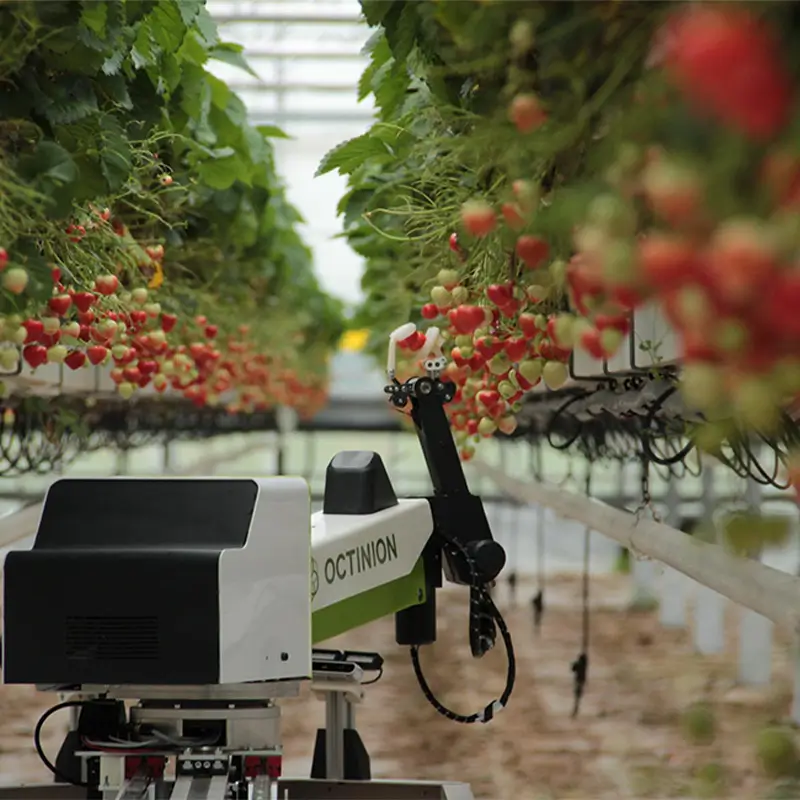
Precise Harvesting of Delicate Fruits in Smart Farms with Soft Robots
Soft robots equipped with flexible grippers and computer vision enable gentle harvesting of delicate fruits in smart farms, significantly reducing waste.
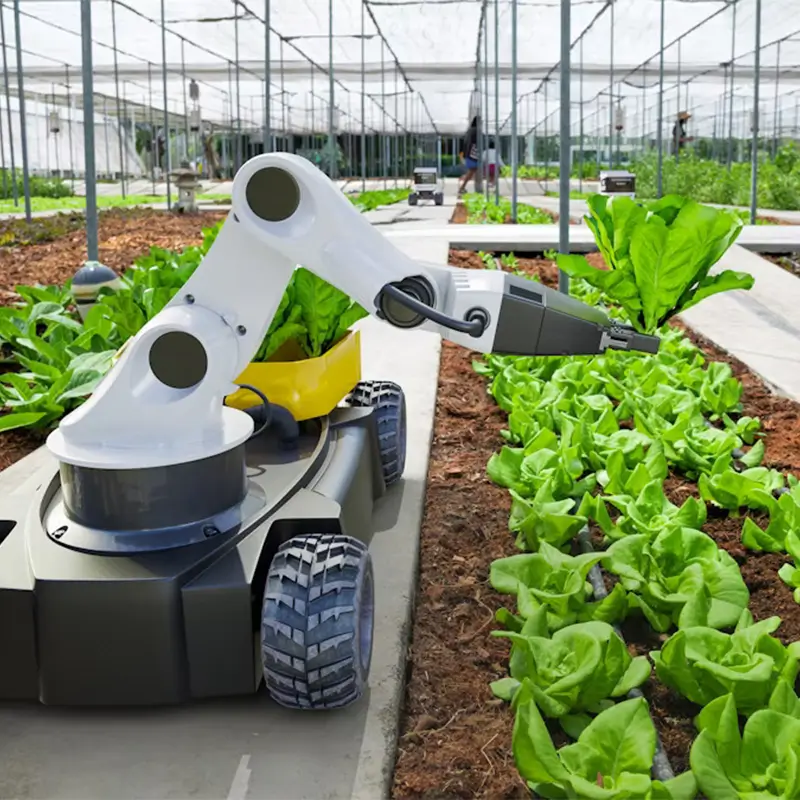
The Role of Robots & Automation in the Future of Agriculture
Robots and automation technologies in agriculture boost food production efficiency, cut operational costs, and support sustainable development.

Smart irrigation scheduling using dynamic, time-of-use (TOU) electricity pricing
Irrigation scheduling with TOU pricing, ETo/Kc metrics, and a variable-speed drive reduces energy costs, eases grid peaks, and boosts farm water productivity.

Enhanced Semi-Artificial Photosynthesis Efficiency in Low-Light Crops
Luminescent nanomaterials convert light spectra in low-light conditions into more effective wavelengths, accelerating electron transfer during photosynthesis. This significantly improves the semi-artificial photosynthetic efficiency in agricultural crops.

Artificial Photosynthesis: A Novel Solution for Sustainable Food
Artificial photosynthesis technology uses advanced systems to convert sunlight, carbon dioxide, and water into organic matter, providing sustainable, healthy food in controlled settings.
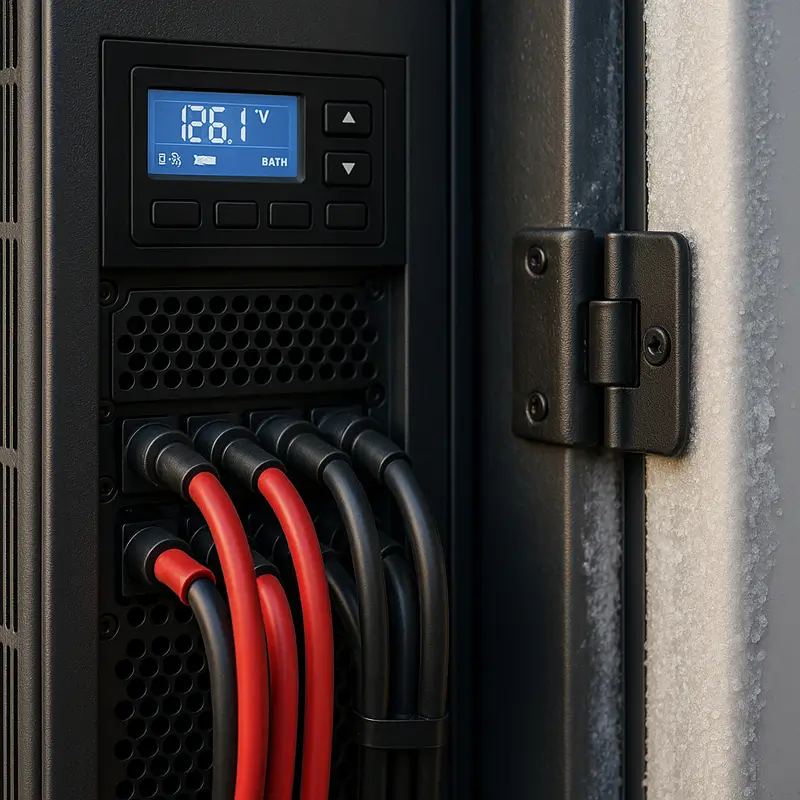
Rural cold chain resilience with UPS, virtual generator, and loss reduction
A rural cold chain stabilizes with a UPS as backup and participation in a virtual power plant; with pre-cooling, temperature logging, and better energy use, losses and costs drop.

Greenhouse CO2: chemical absorption & scrubber design
Greenhouse CO₂ management with capture–release scrubbers ensures clean supply, 800–1,000 ppm control, standards compliance, and optimized heat integration.
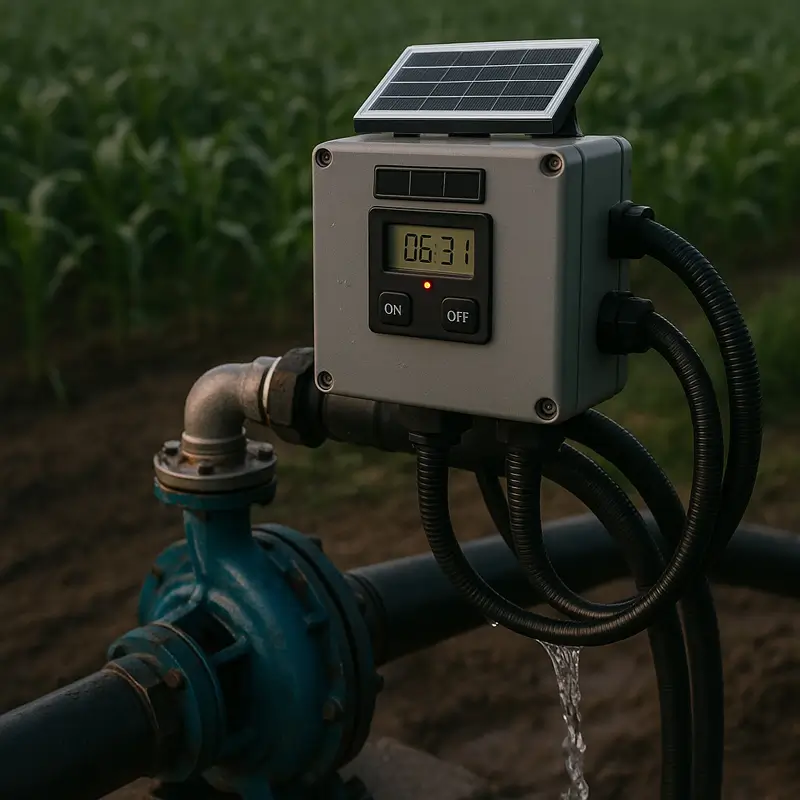
Smart Scheduling of Irrigation and Pumping Based on Real-Time Electricity Prices
Price-responsive scheduling of pumping and irrigation cuts energy use and cost, lowers peak network pressure, and preserves water supply quality without reducing irrigation uniformity.
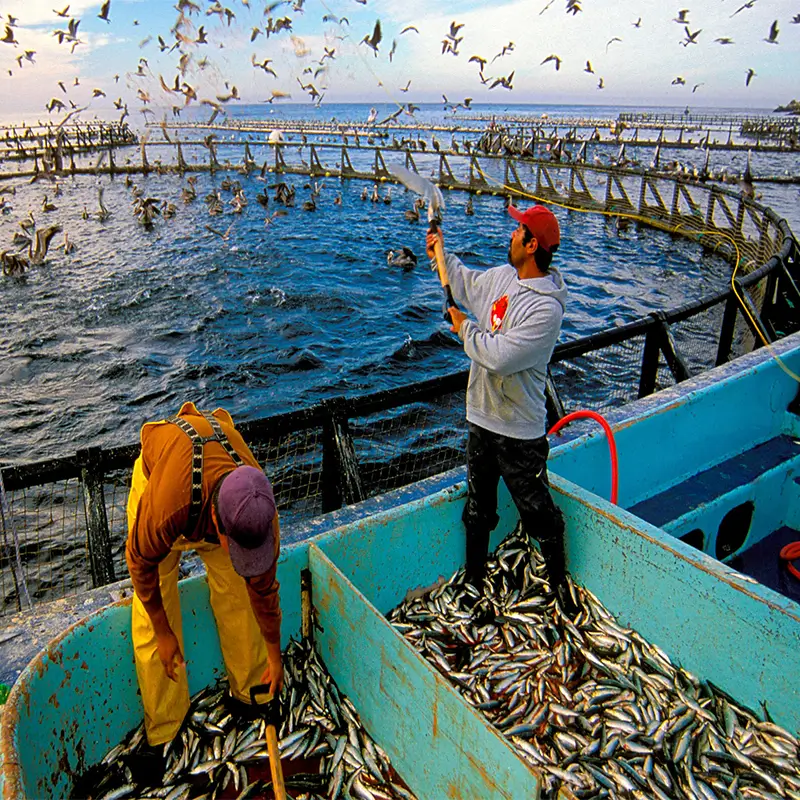
Cage Fish Farming: A Sustainable Solution
Cage fish farming is eco-friendly and cost-effective, reducing expenses and improving quality. Advanced tech and management boost profits and trade.